Photo spot in Córdoba
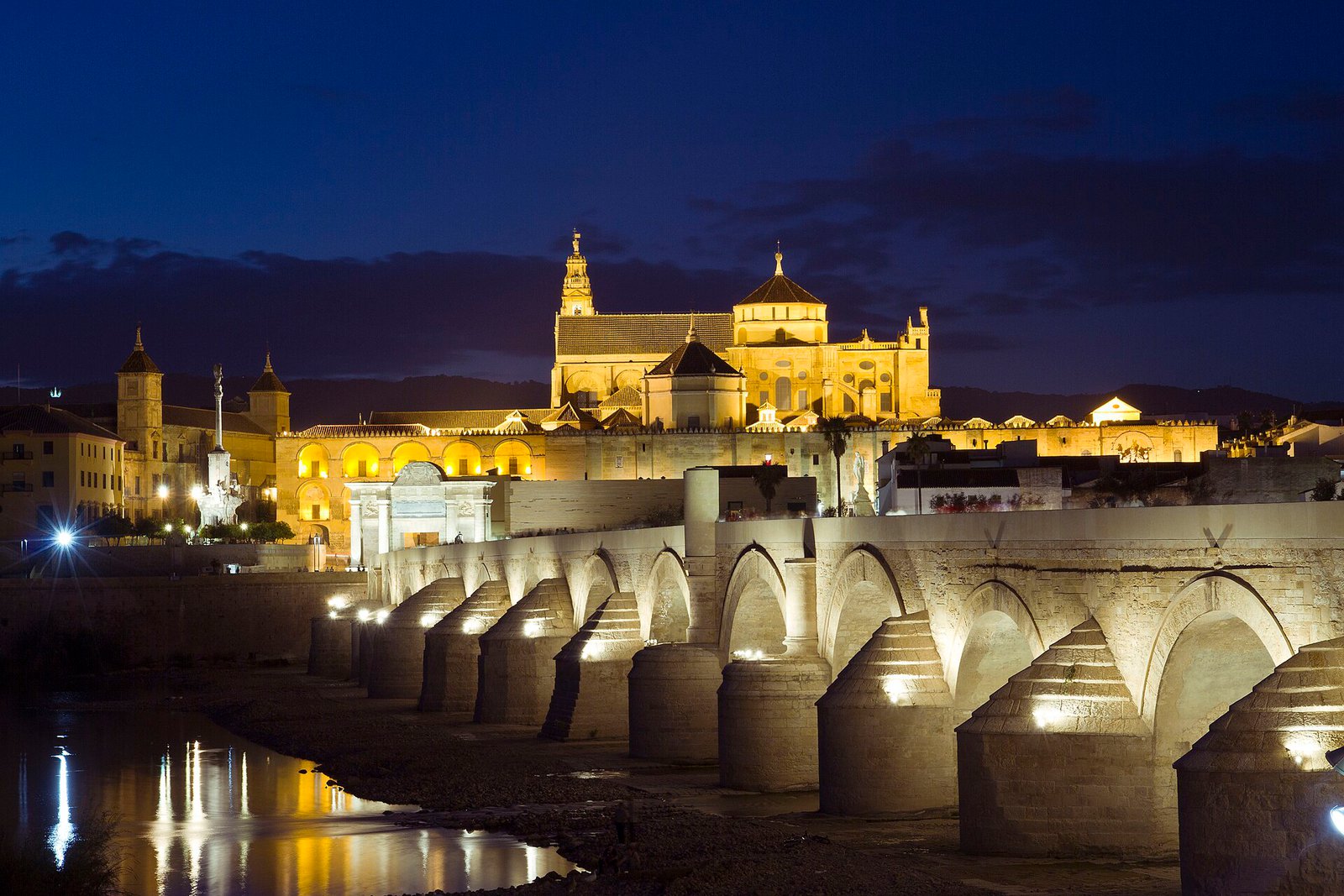
Puente Romano and the Calahorra at blue hour
Sixteen stone arches across the Guadalquivir, with the floodlit Mezquita at one end and a river mill turning in the shallows.
About Puente Romano and the Calahorra at blue hour
Get directionsThe bridge stands on Roman foundations and has been rebuilt in every century since; what you walk on today is pedestrian-only stone, sixteen arches long, with the Torre de la Calahorra guarding the south bank and the Puerta del Puente arch on the north. Behind that arch, the Mezquita's bell tower closes the view.
Because no cars cross it, the bridge itself is a set: a couple can stand mid-span with the whole city behind them and nothing in the frame but stone, water and sky. Downstream, the Molino de la Albolafia — a medieval waterwheel — sits in the shallows and gives a foreground for wider compositions.
Blue hour is the reason to be here. The Mezquita, the gate and the bridge are all lit, and for around twenty-five minutes after sunset the sky stays blue enough to keep colour in the water. Before that, the last half hour of daylight puts the sun straight down the river from the west, which lights the arches from the side and throws long shadows across the deck.
Córdoba is one of the hottest cities in Europe: in July and August anything between eleven and eight in the evening is a health question, not a lighting one, and the standard answer is a session at dawn. May brings the patio festival and with it the year's biggest crowds. The Mezquita has its own ticketing, with an early-morning window whose rules change — check them before you promise an interior.
Best time to shoot
The last half hour of sun, then twenty-five minutes of blue hour
Tips
In July and August work at dawn — the afternoon here regularly passes 40°C. The bridge is pedestrian, so a tripod is workable outside peak hours.
Recent work in Córdoba
Portfolio shots by photographers covering this area
Melitta T.
View profile →

Víctor C.
View profile →
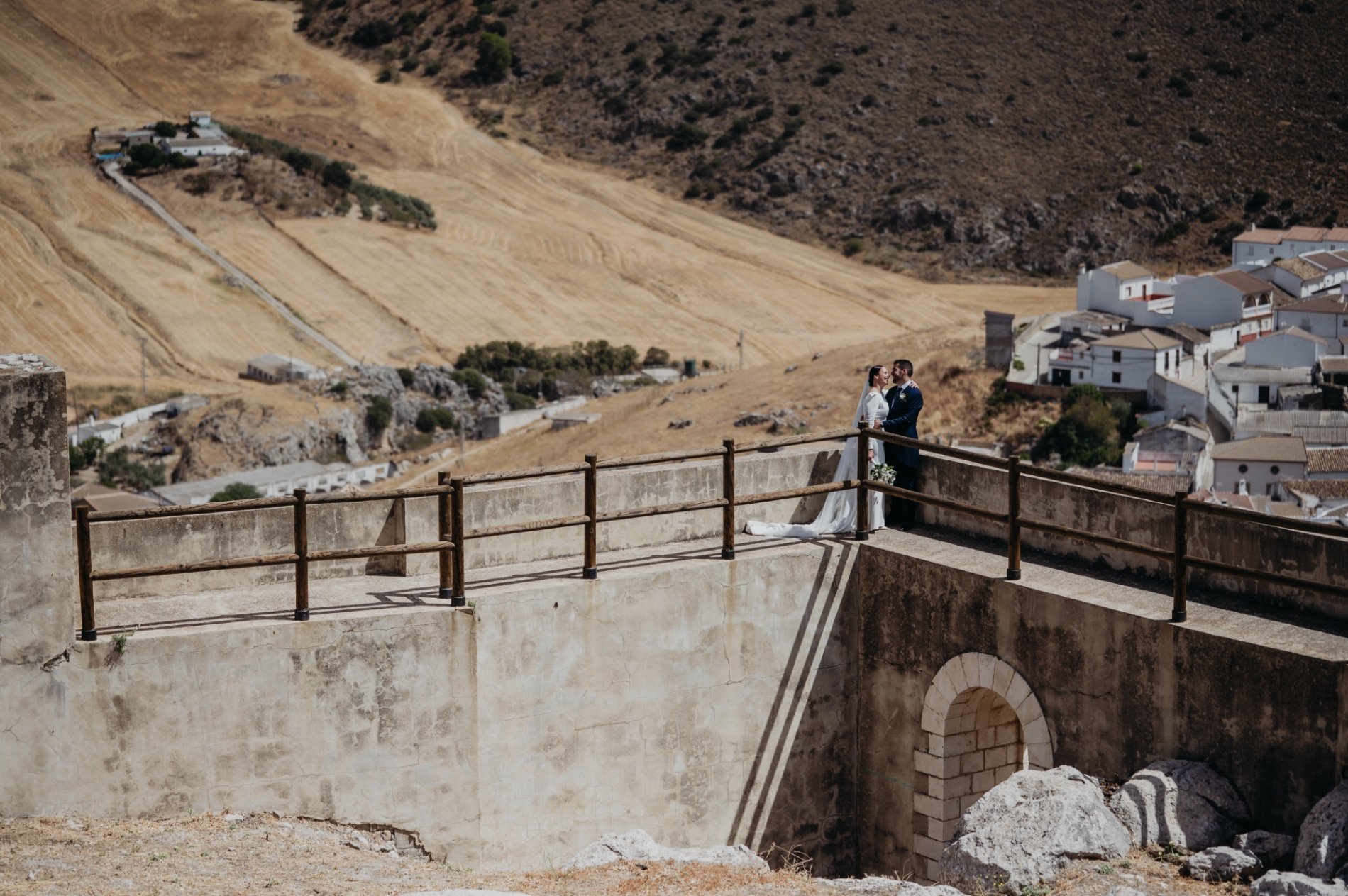
Melitta T.
View profile →
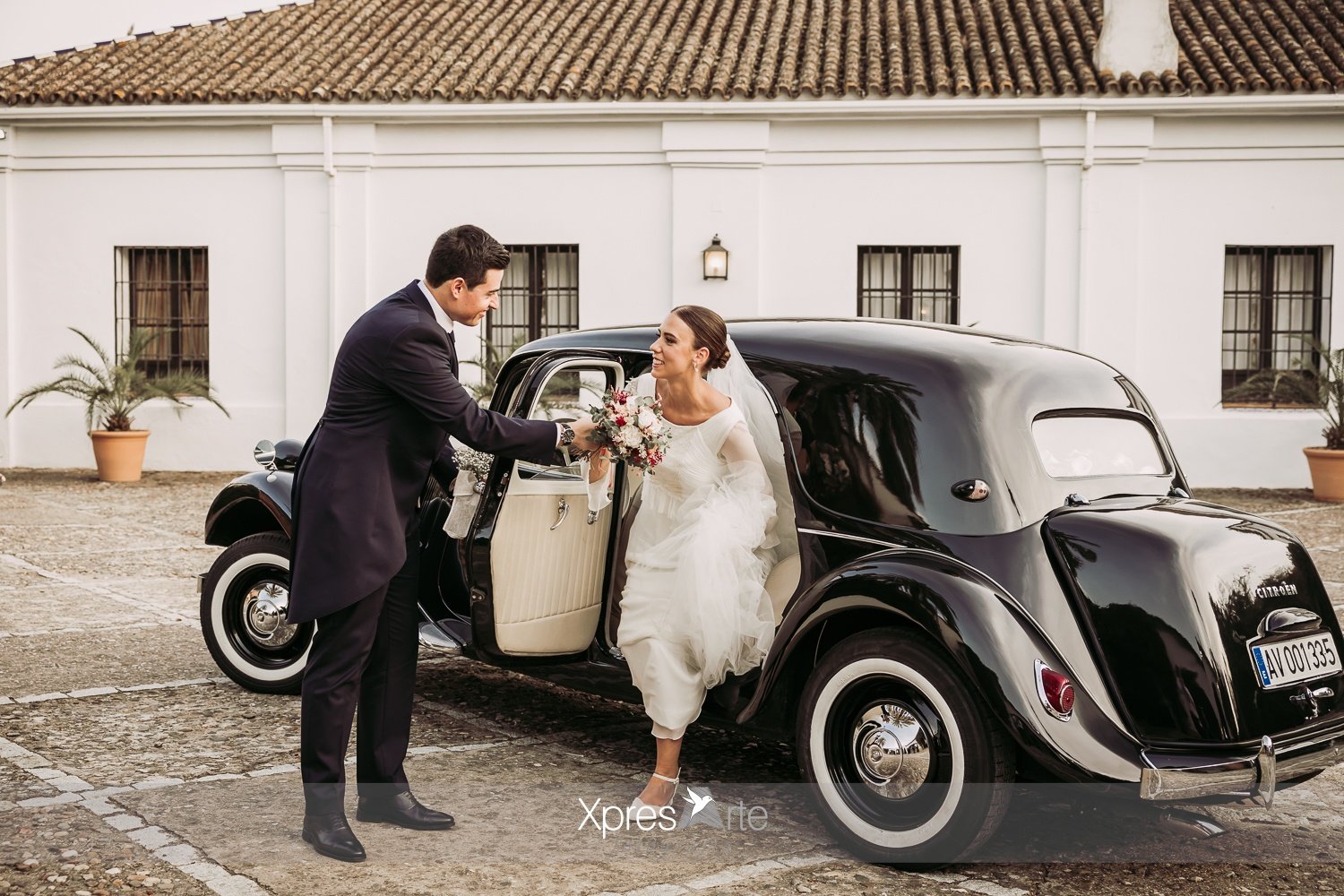
Víctor C.
View profile →
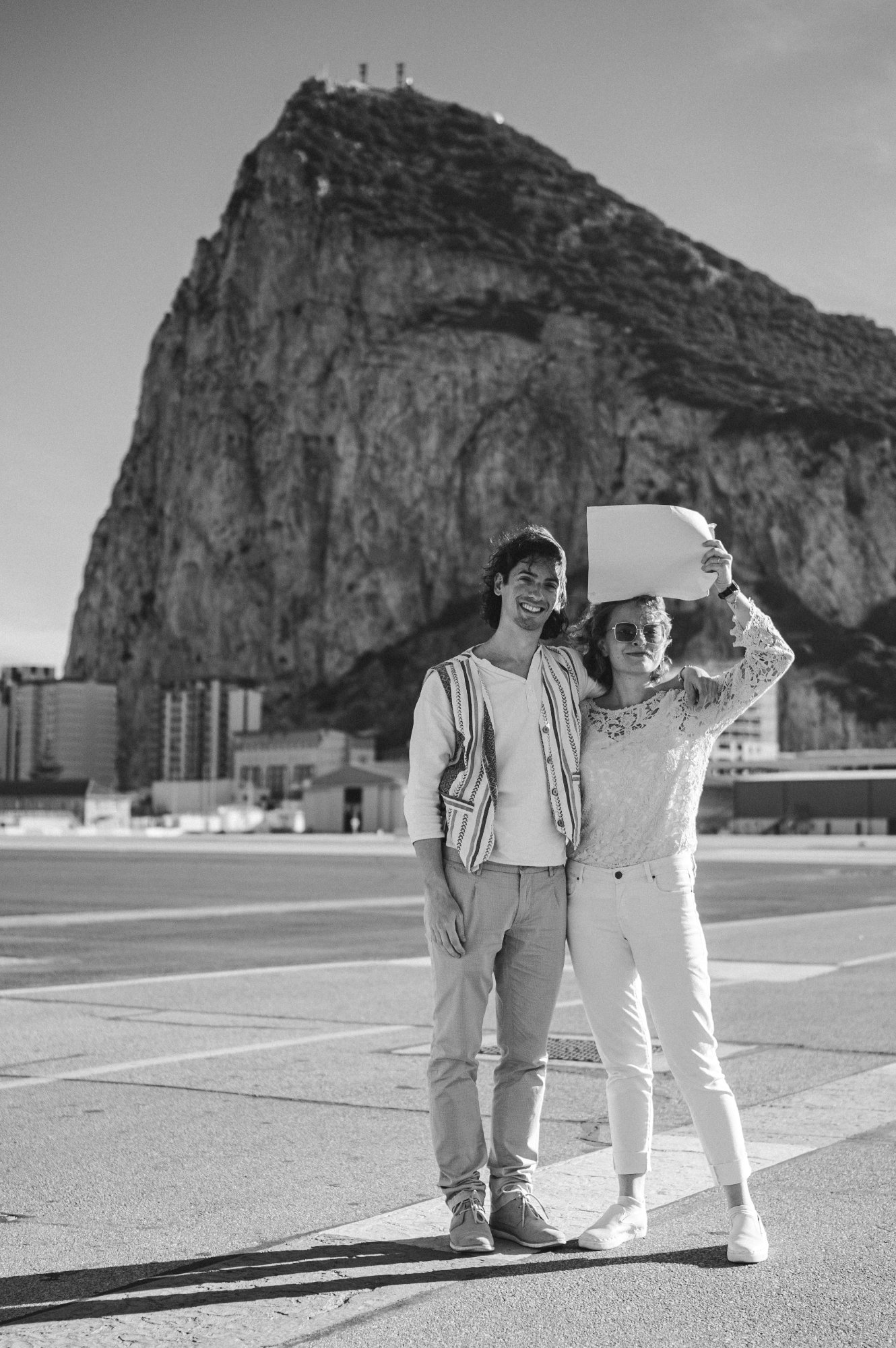
Melitta T.
View profile →
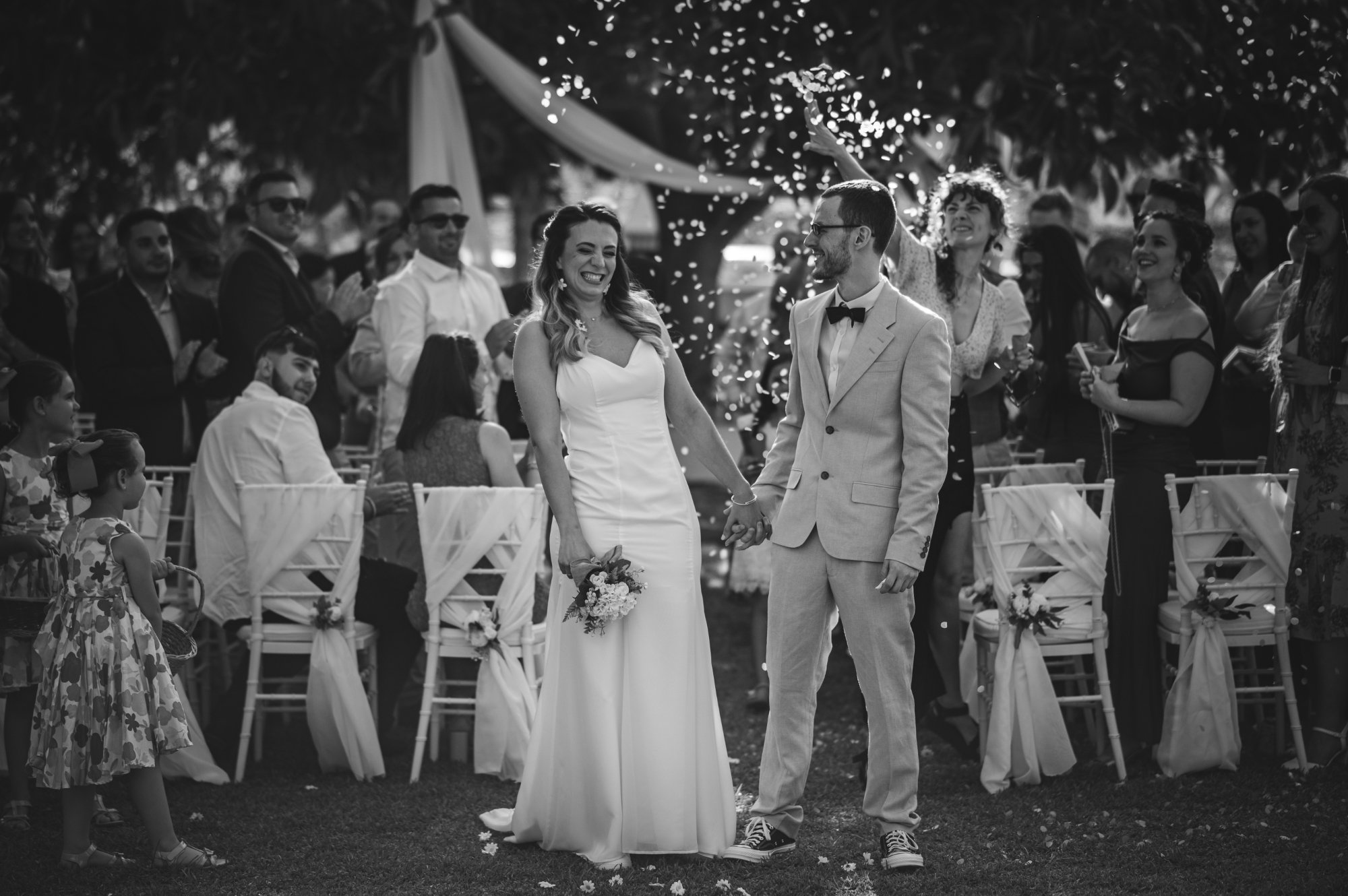
Melitta T.
View profile →
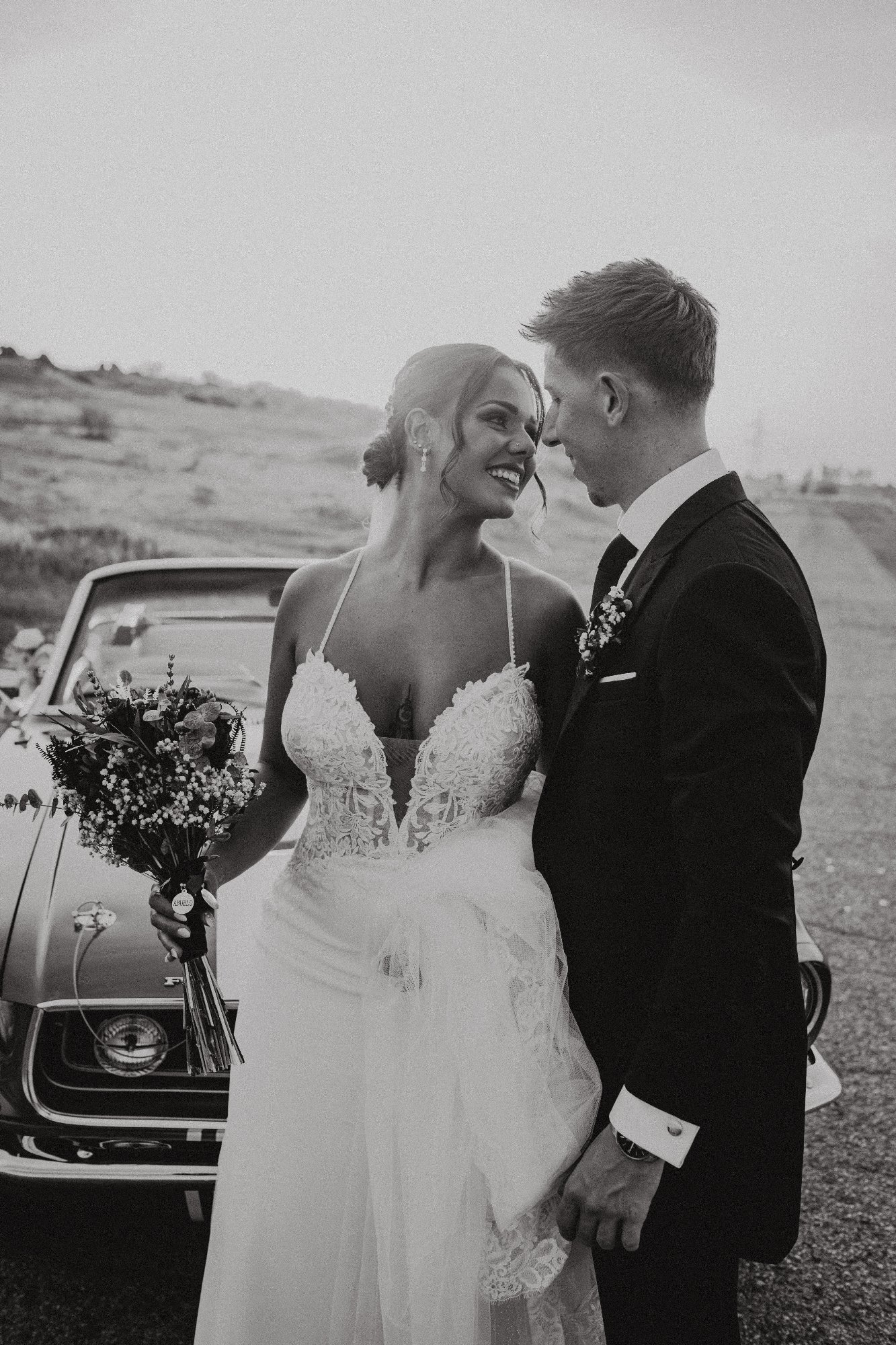

Eduardo G.
View profile →
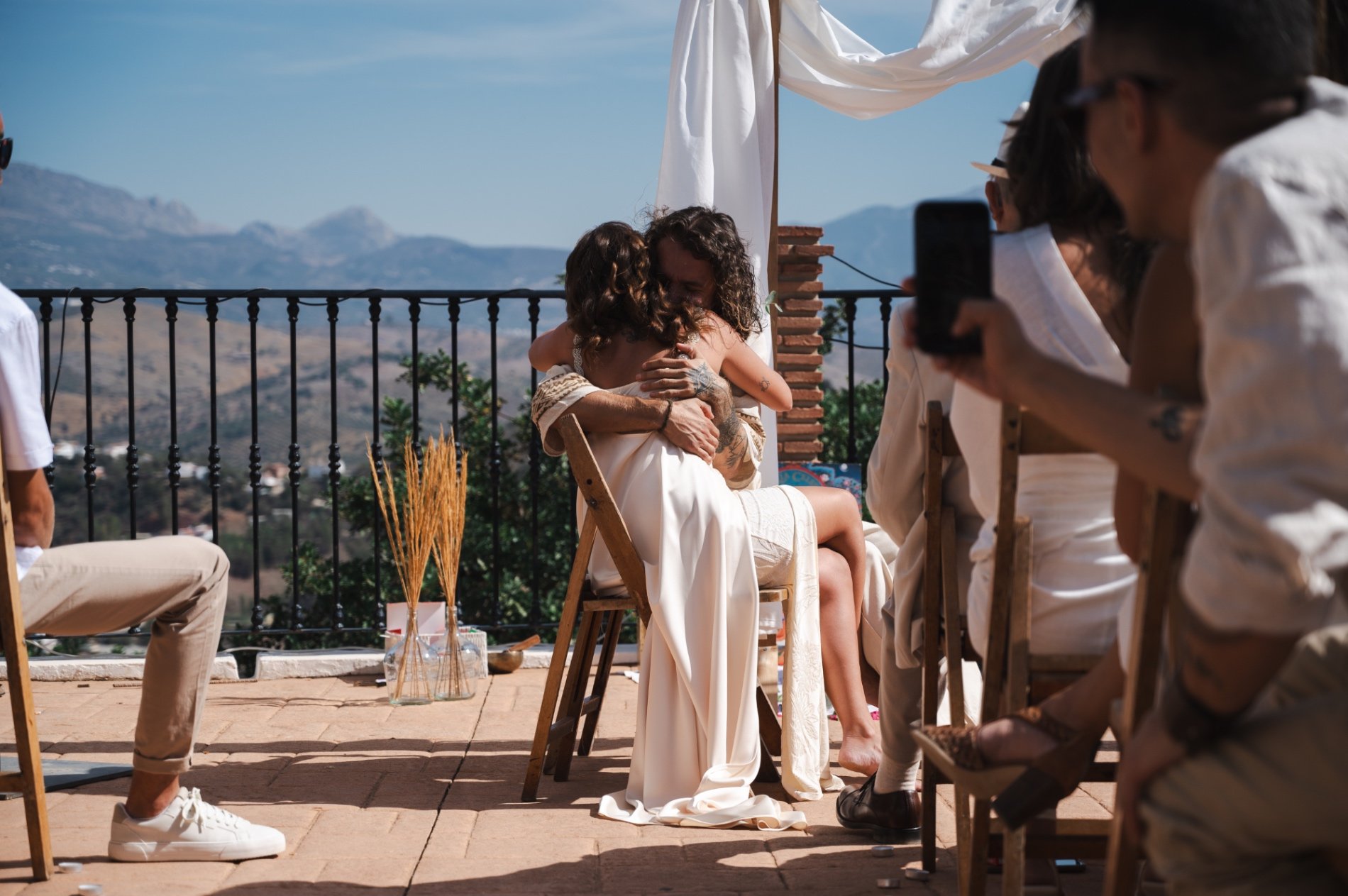
Melitta T.
View profile →
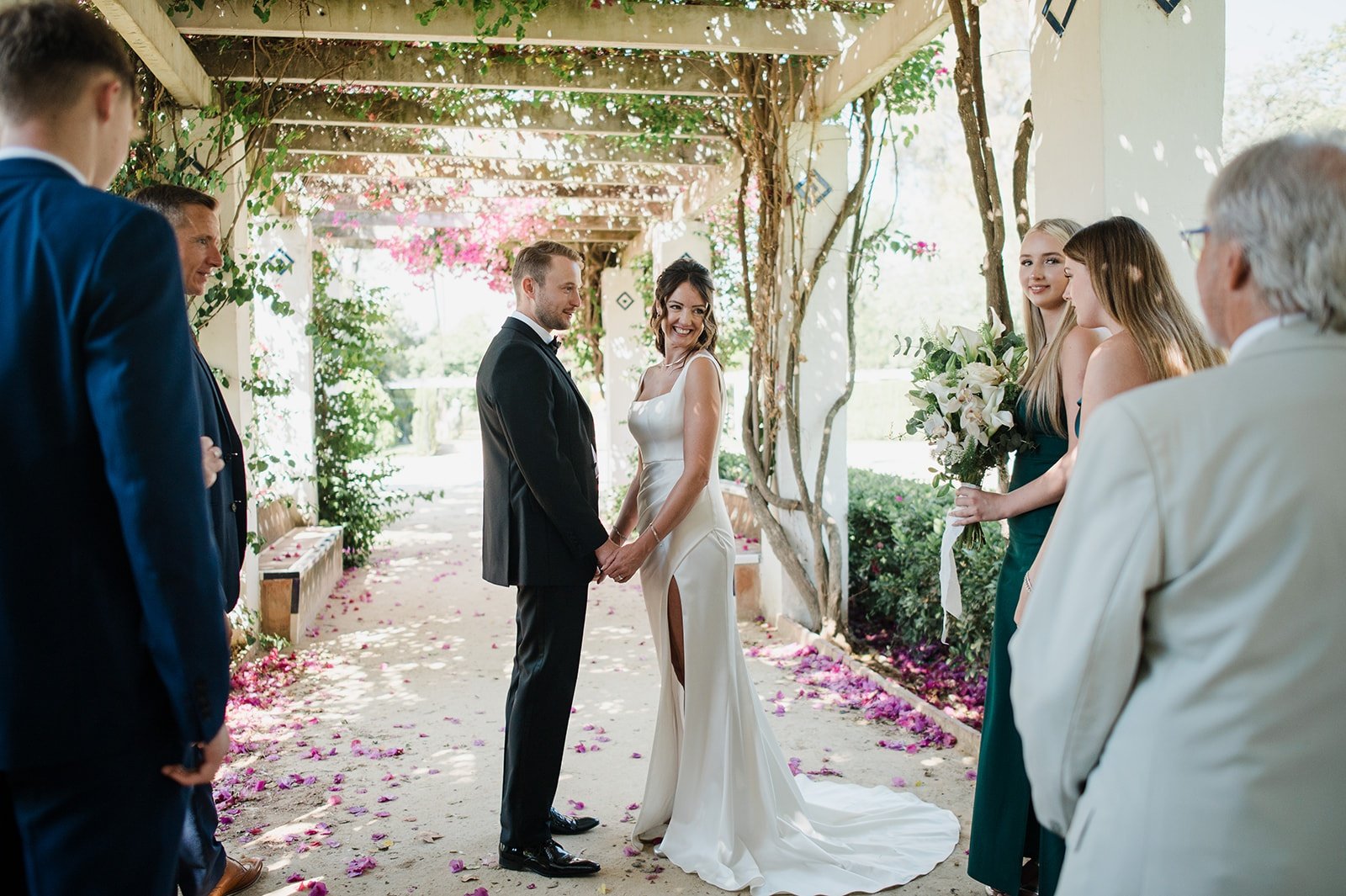

Daniel G.
View profile →
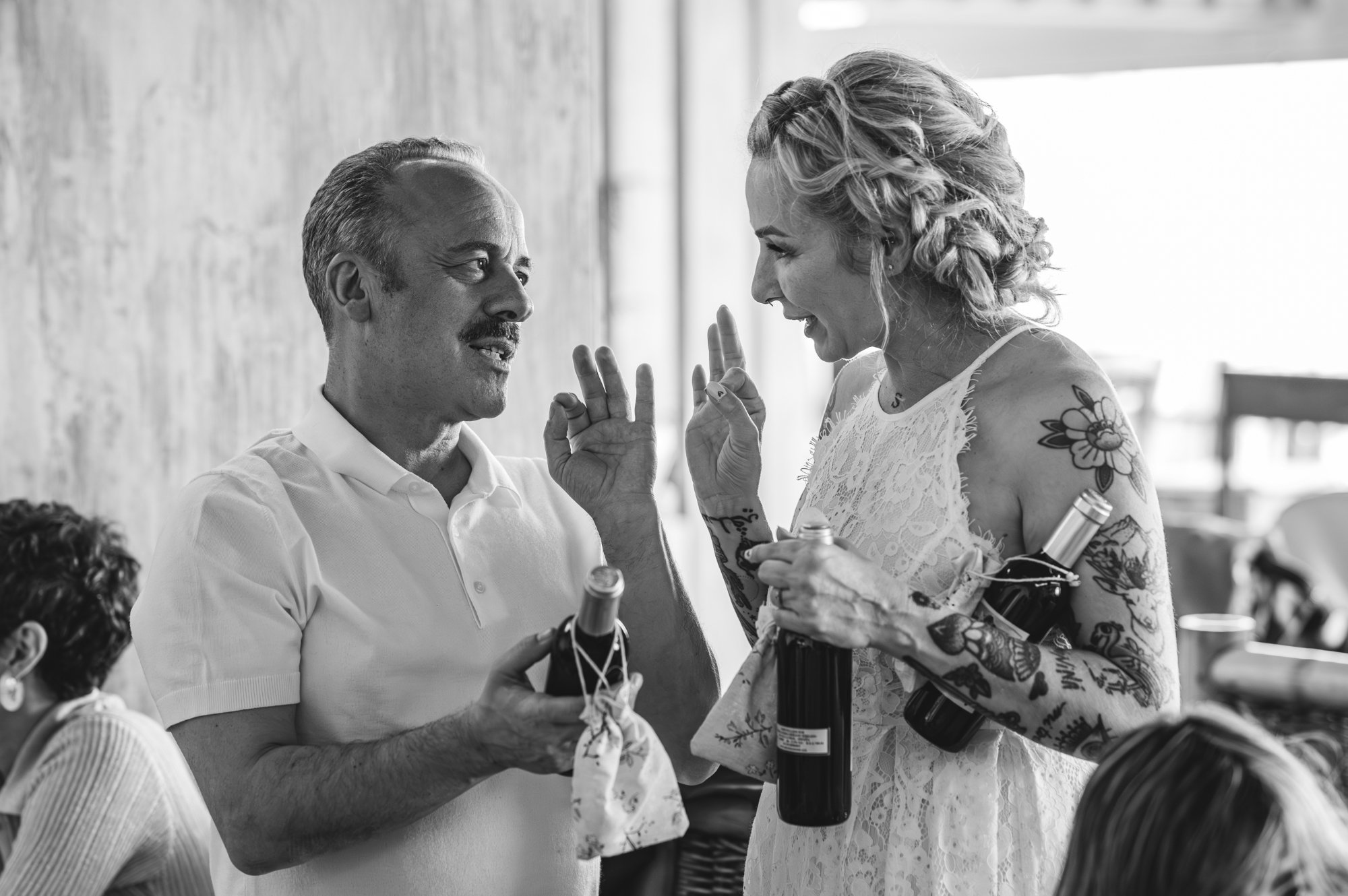
Melitta T.
View profile →
Daniel G.
View profile →
Daniel G.
View profile →
Melitta T.
View profile →
Melitta T.
View profile →
Melitta T.
View profile →
Daniel G.
View profile →
Daniel G.
View profile →
Melitta T.
View profile →
Víctor C.
View profile →
Melitta T.
View profile →
Daniel G.
View profile →
Daniel G.
View profile →
Melitta T.
View profile →
Víctor C.
View profile →
Melitta T.
View profile →
Melitta T.
View profile →
Melitta T.
View profile →
Melitta T.
View profile →
Melitta T.
View profile →
Daniel G.
View profile →
Víctor C.
View profile →
Photographers who shoot at Puente Romano and the Calahorra at blue hour
Hand-picked professionals working in Córdoba


Real reviews from Córdoba photoshoots
Carmen M.
We couldn't have chosen a better team for such an important day. We already knew Rafa from Xpresarte and, from the very first moment we spoke to him, we knew we wanted them to be the ones with us at our wedding. We booked a team of 2…
Víctor C.
Photographer
Laura C.
We couldn't have chosen a better photographer for our wedding. Daniel is a real professional — warm, attentive, and with an incredible sensitivity for catching every important moment. From the very first instant he made us feel completely…
Daniel G.
Photographer
Ramon R.
A friend recommended we talk to them, as she was very happy with her wedding coverage, and right from the start we had a really good feeling about them. Doing the pre-wedding shoot with them was a brilliant decision, because Rafa is very…
Víctor C.
Photographer
Ready to book?
Our concierge team will hand-pick 2-3 photographers who know Puente Romano and the Calahorra at blue hour — free of charge.