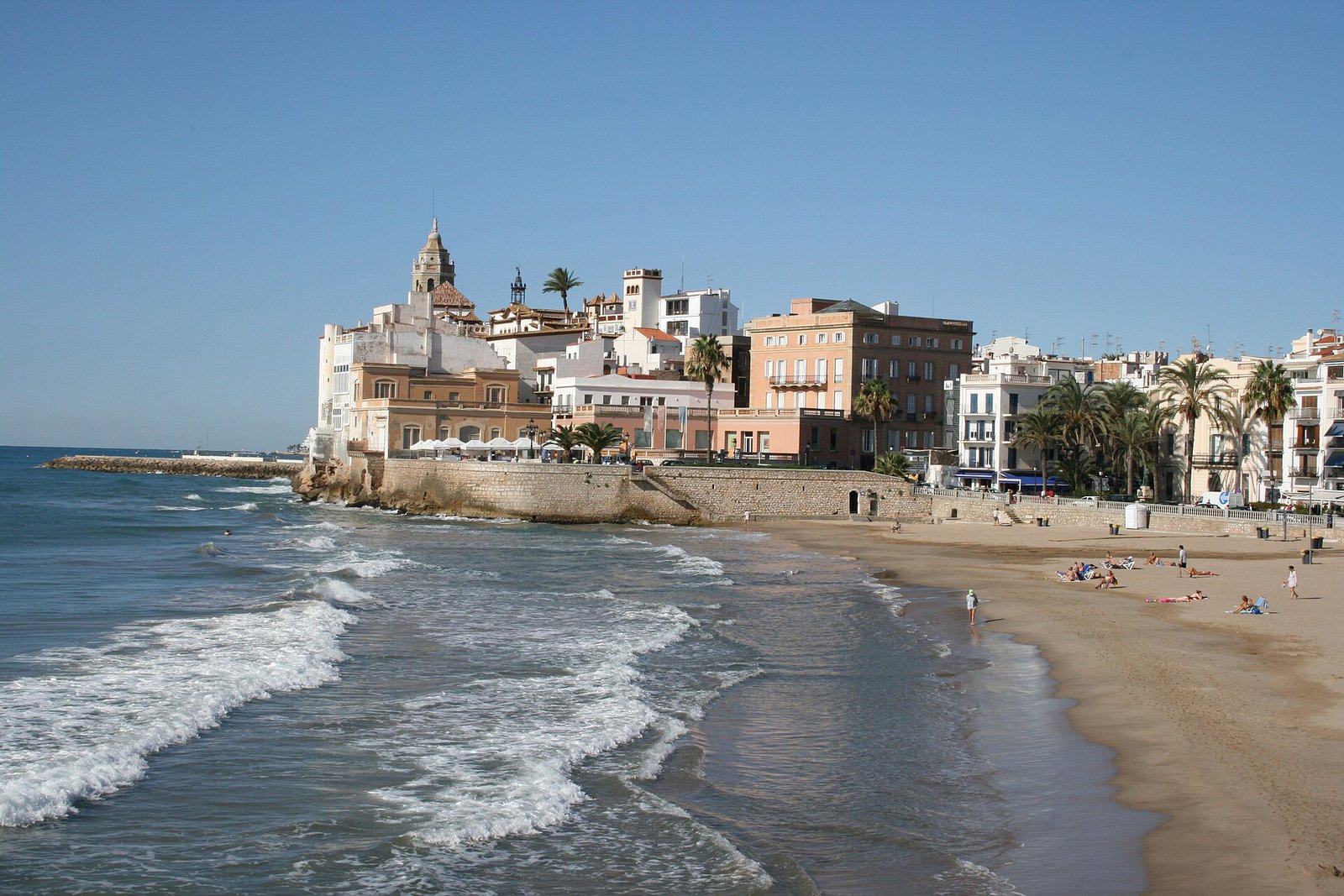
Photo spot in Sitges
The old-town lanes around Carrer Fonollar
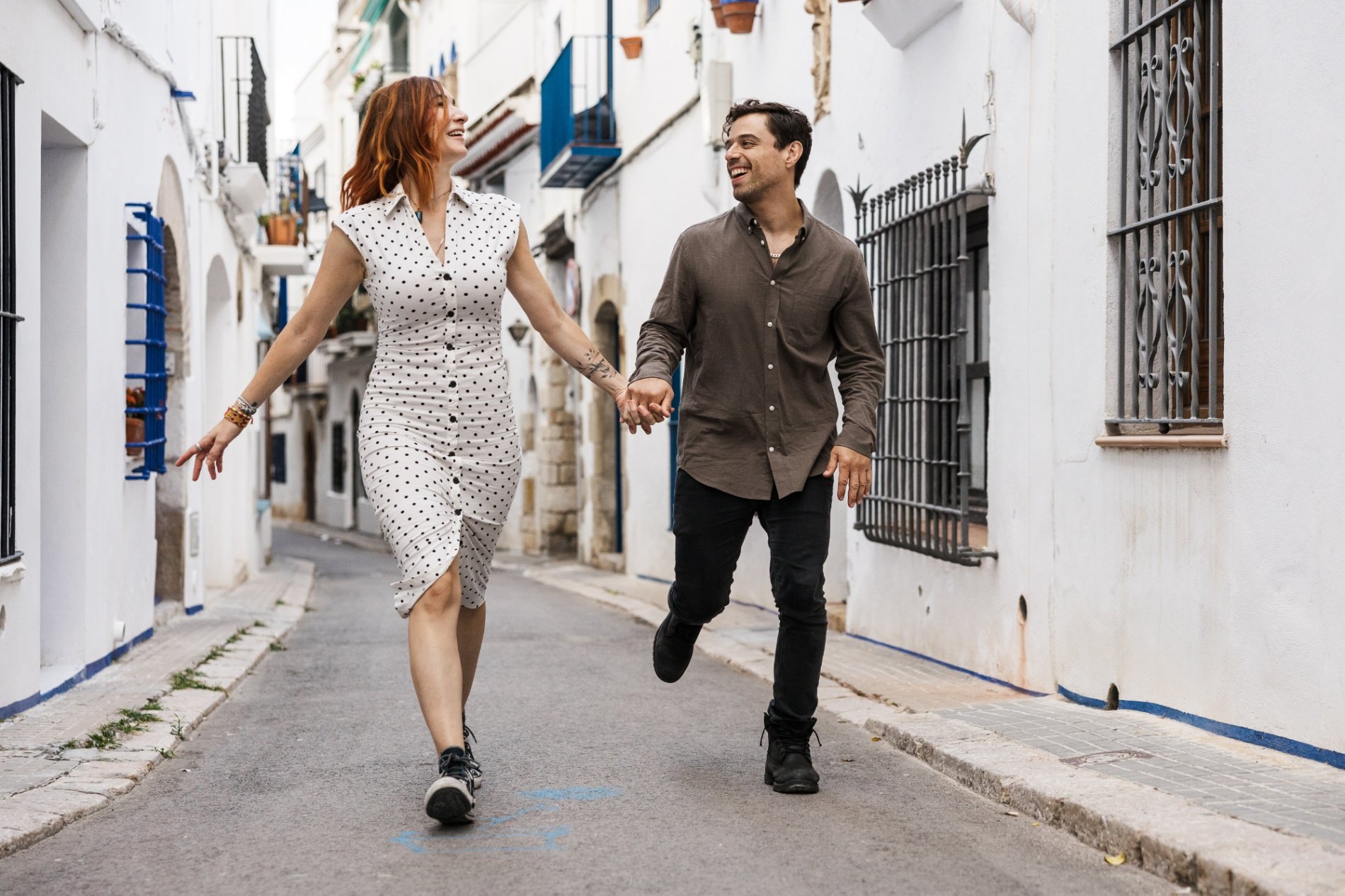
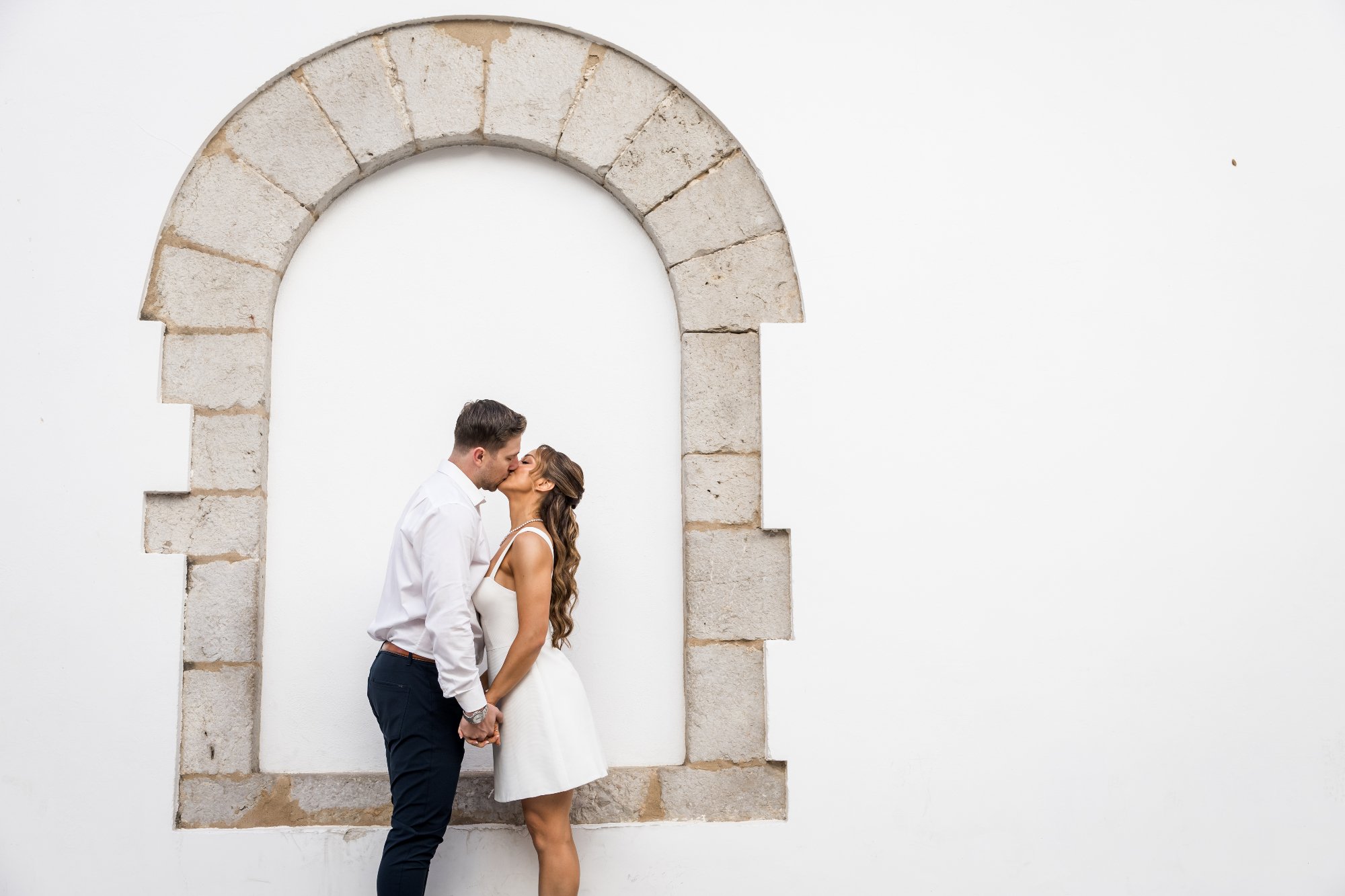
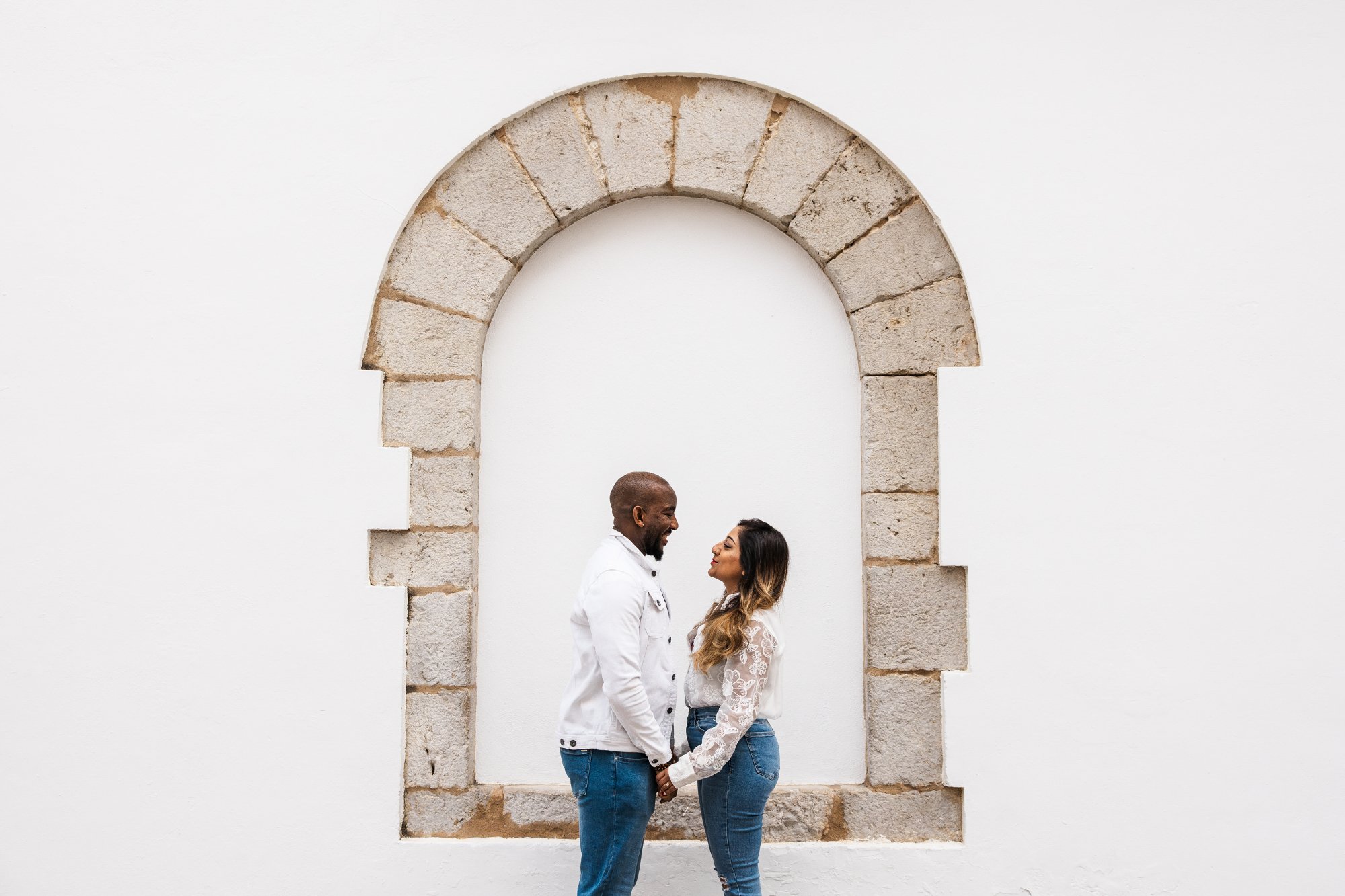
Whitewashed alleys behind the church, with bougainvillea over the walls, arches across the street and the sea at the end of them.
About The old-town lanes around Carrer Fonollar
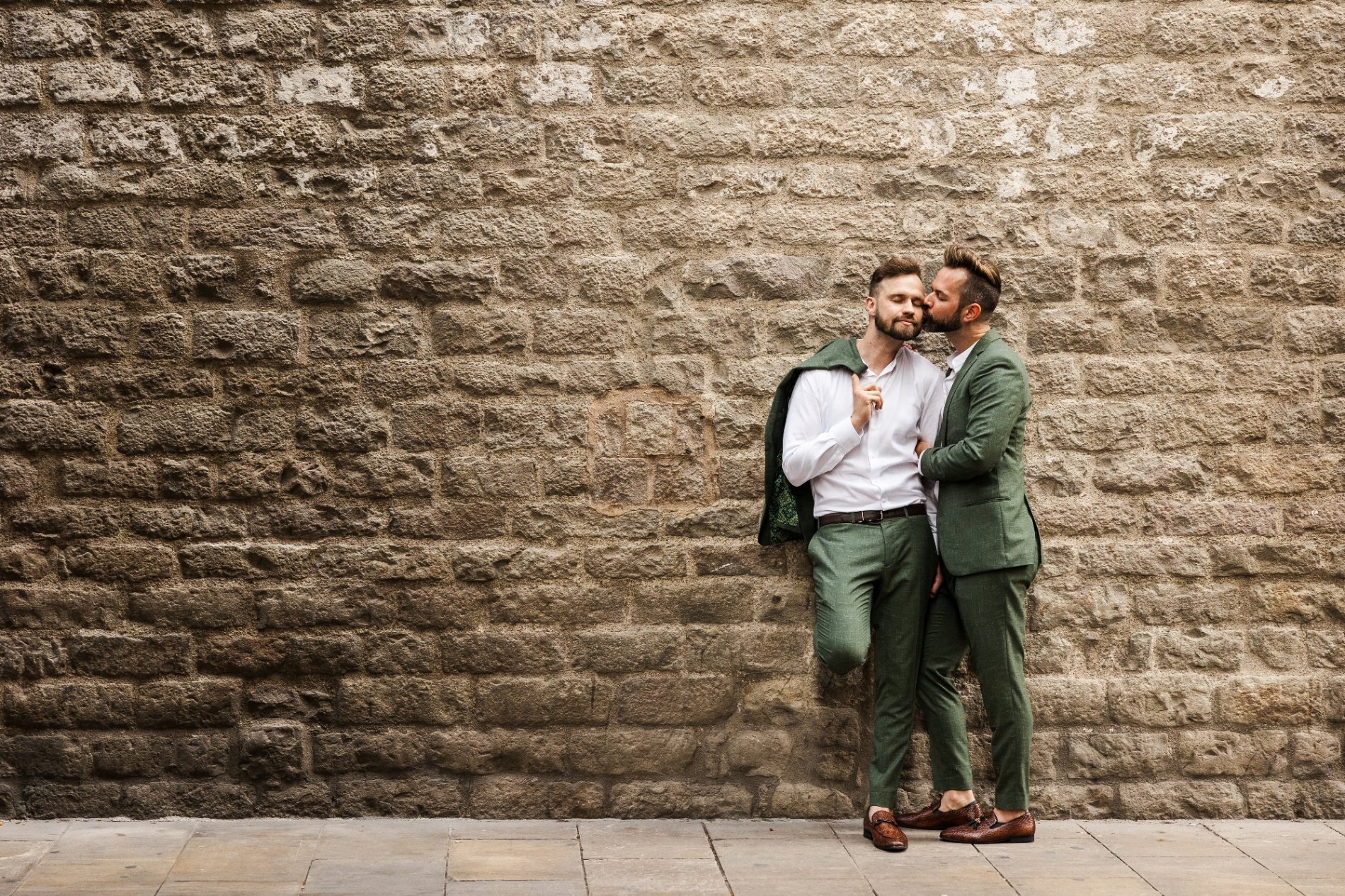
Get directionsBehind the church, the old town is three or four streets deep and almost entirely white. Carrer Fonollar runs along the top of the sea wall past the Maricel palace and Cau Ferrat, the house the painter Santiago Rusiñol filled with ironwork and blue tiles; arches cross the lane overhead, and the gaps between buildings open straight onto the Mediterranean.
White walls are the reason this works. They bounce light back into faces from every side, so even at an unpromising hour the shade here is soft and clean, and skin tones fall into place with no reflector. The colour comes from the bougainvillea, the blue doors and the sea at the end of the lane.
Midday is genuinely usable because the streets are narrow enough to stay in shade, which is rare. Late afternoon is better still: the whitewash goes warm, and the light coming off the water reaches up into the lanes. Evening is when the restaurants set out and the alleys turn into a thoroughfare.
This is a residential quarter — people live behind those doors — so keep the session moving and the noise down, and do not block a doorway for a shot. Cau Ferrat and Maricel are museums with tickets and their own hours; check them if you want interiors, and check what a paid session requires. Everything is within four hundred metres, so this pairs naturally with the beach at Sant Sebastià.
Best time to shoot
Midday for open shade, or the last hour of sun on the whitewash
Tips
People live here — keep it quiet and keep moving. Museum interiors are ticketed with their own hours; check them.
Recent work in Sitges
Portfolio shots by photographers covering this area
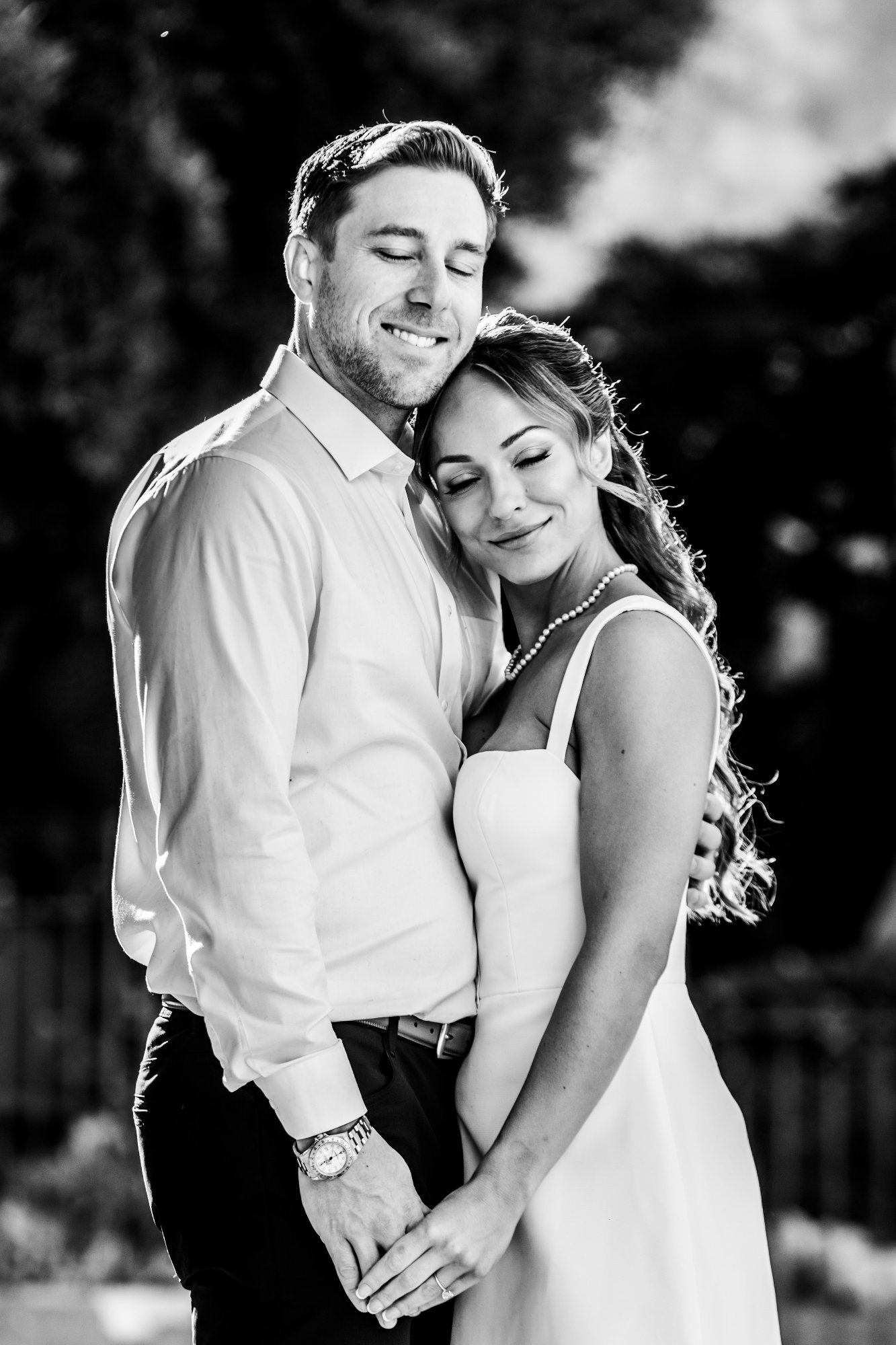

Andreu D.
View profile →

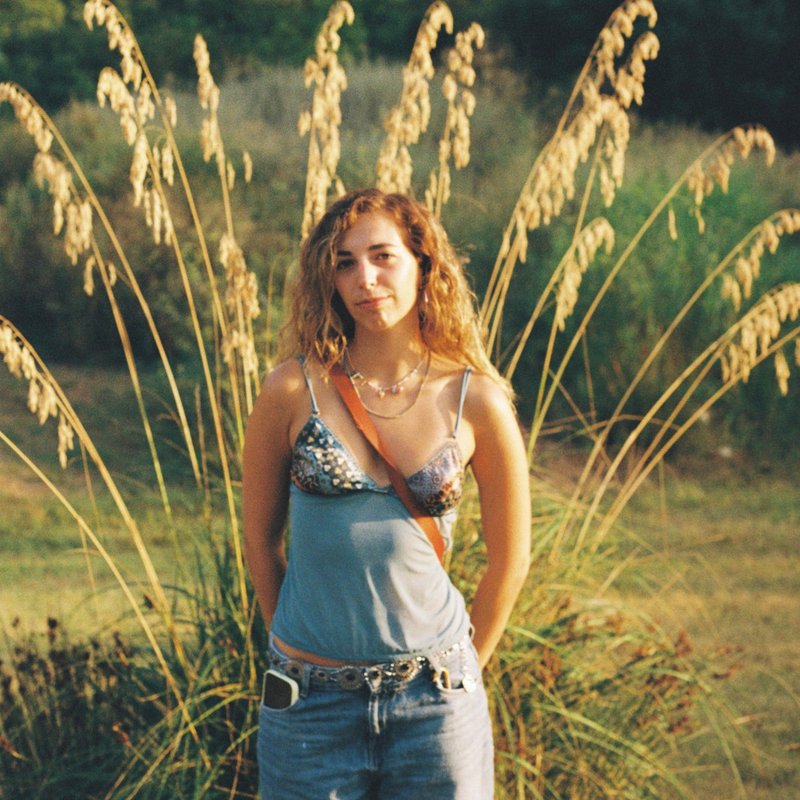
Ana A.
View profile →
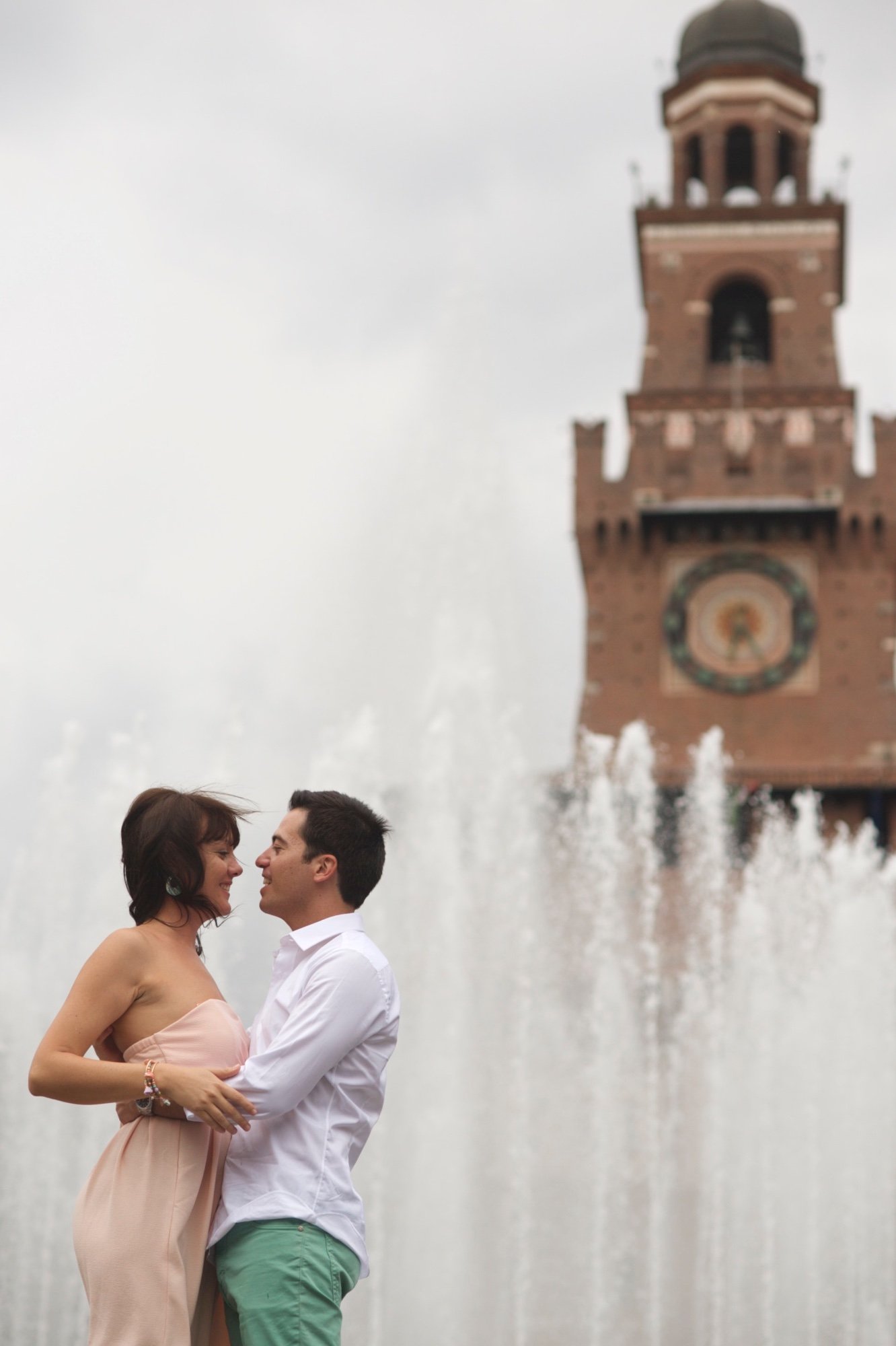

Martino B.
View profile →
Martino B.
View profile →

Jordi I.
View profile →
Martino B.
View profile →
Ana A.
View profile →
Jordi I.
View profile →


Asia V.
View profile →
Martino B.
View profile →
Martino B.
View profile →
Ana A.
View profile →

Ana A.
View profile →
Andreu D.
View profile →
Jordi I.
View profile →
Ana A.
View profile →

Ana A.
View profile →
Asia V.
View profile →
Martino B.
View profile →
Asia V.
View profile →

Jordi I.
View profile →
Jordi I.
View profile →
Jordi I.
View profile →
Ana A.
View profile →
Andreu D.
View profile →
Martino B.
View profile →
Jordi I.
View profile →
Martino B.
View profile →
Ana A.
View profile →
Martino B.
View profile →
Jordi I.
View profile →
Photographers who shoot at The old-town lanes around Carrer Fonollar
Hand-picked professionals working in Sitges


Real reviews from Sitges photoshoots
Sheena V.
Where do I even start with Jordi? From our very first pre-wedding shoot, we knew we’d found someone special. Jordi’s charm, humour and warmth made us feel instantly comfortable — and somehow convinced us to step out of our comfort zone and…
Jordi I.
Photographer

Alysia M.
We cannot begin to describe the pure talent of Andreu and Aleksandra! They fit into our wedding like part of our family and seemed so effortlessly to capture our most special moments. They are warm, professional and incredibly…
Andreu D.
Photographer
Amparo C.
We met Martino at my brother's wedding and, when it was my turn, I had no doubt at all: it had to be him. My husband doesn't like anything artificial or forced poses at all, and with Martino we knew from the very first moment that we'd be…
Martino B.
Photographer
Other spots in Sitges
Sant Bartomeu church and the seafront
A church on a rock above the sea, with a whitewashed old town behind it and a promenade running the length of the beaches.
Platja de Sant Sebastià at sunrise
A small east-facing beach behind the church headland, with fishermen's houses on the front and the first sun coming straight off the water.
Ready to book?
Our concierge team will hand-pick 2-3 photographers who know The old-town lanes around Carrer Fonollar — free of charge.