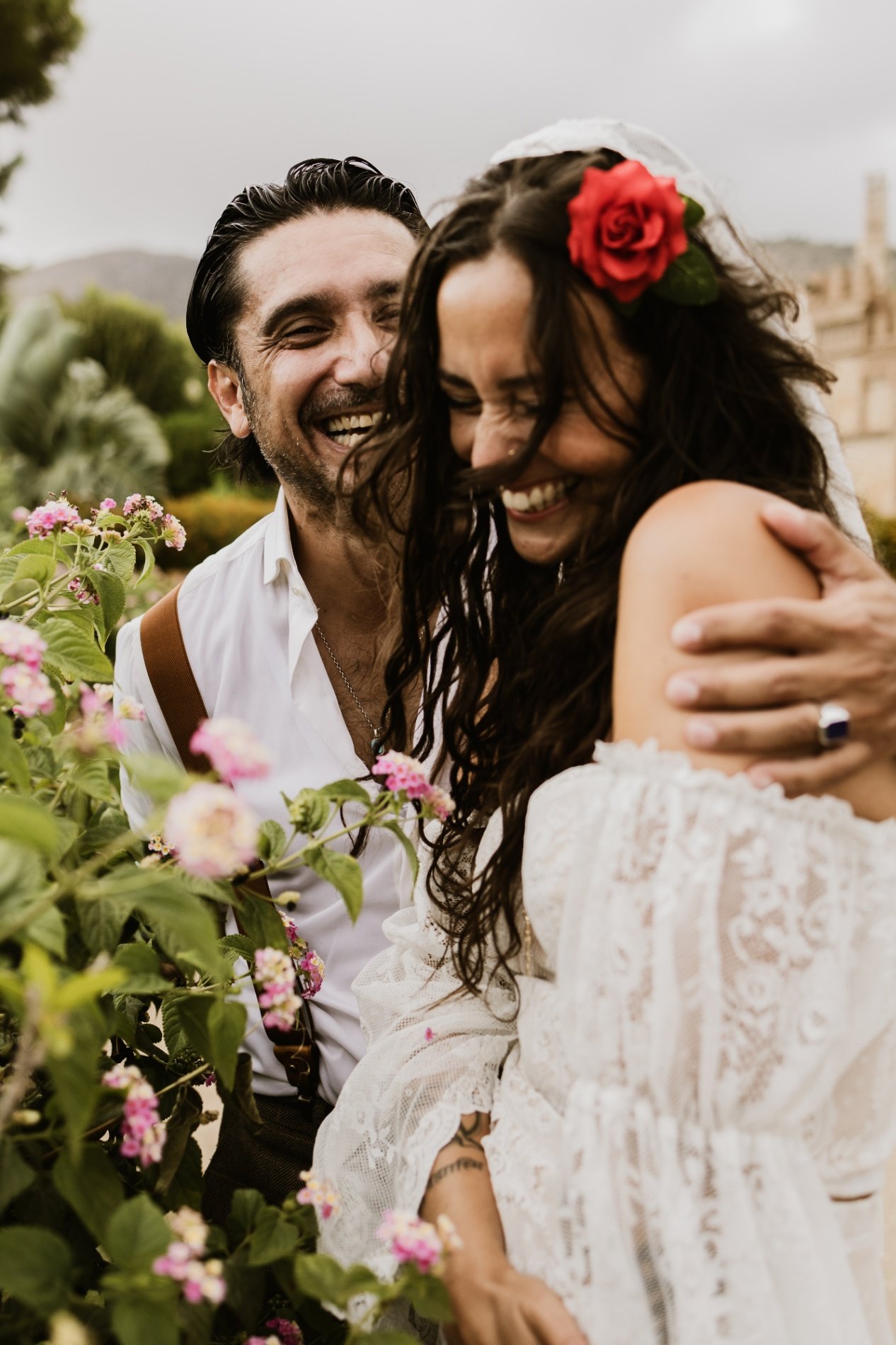
Photographing Málaga and the Costa del Sol
The Costa del Sol is the most-visited stretch of coast in Spain and the most written off. The reputation is resorts and golf, which misses that Málaga is a genuine Andalusian city with the best-preserved Moorish fortress in the country — and that it is the one Andalusian city where a summer session is actually viable.
Real shots from Málaga
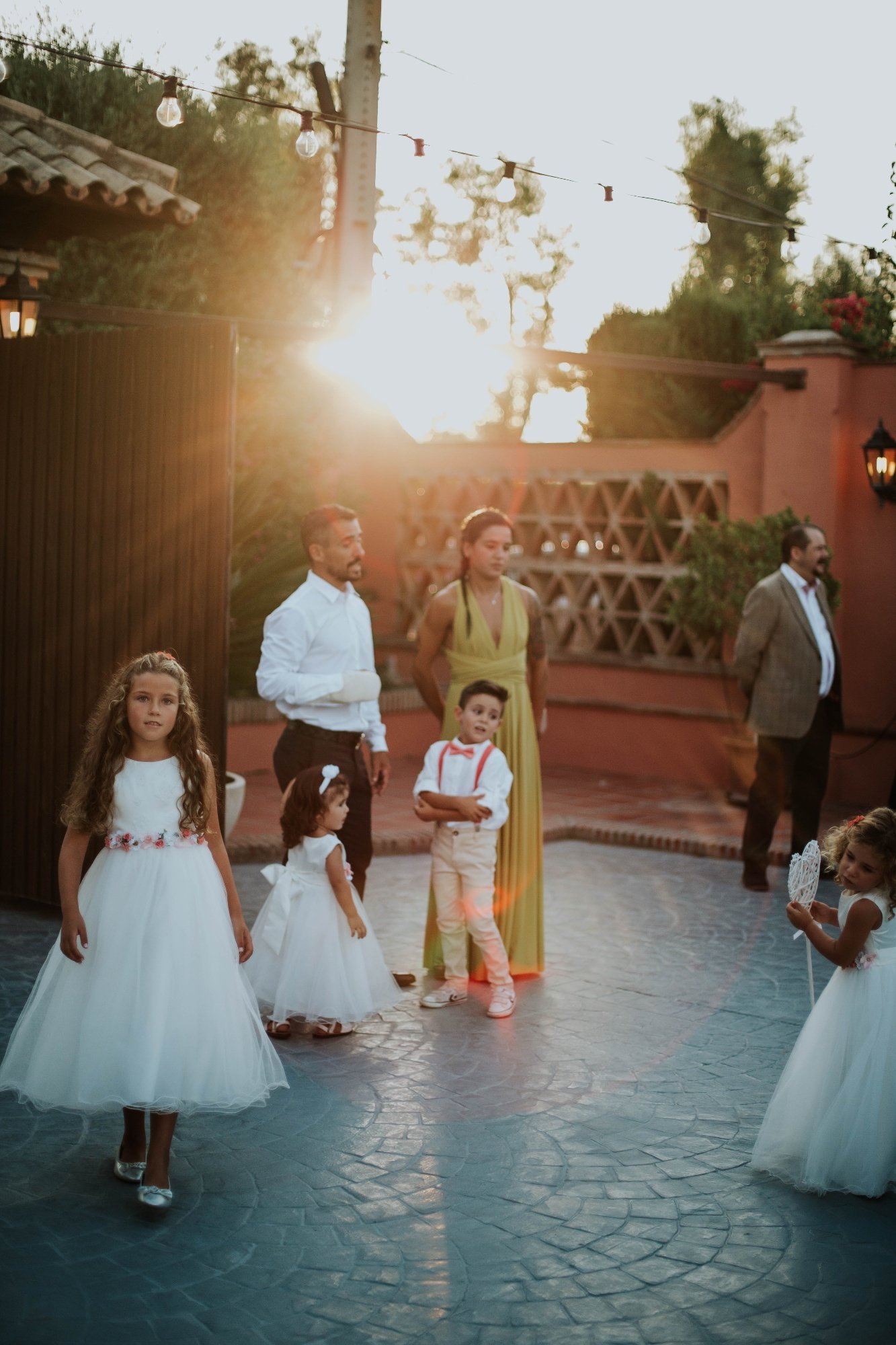
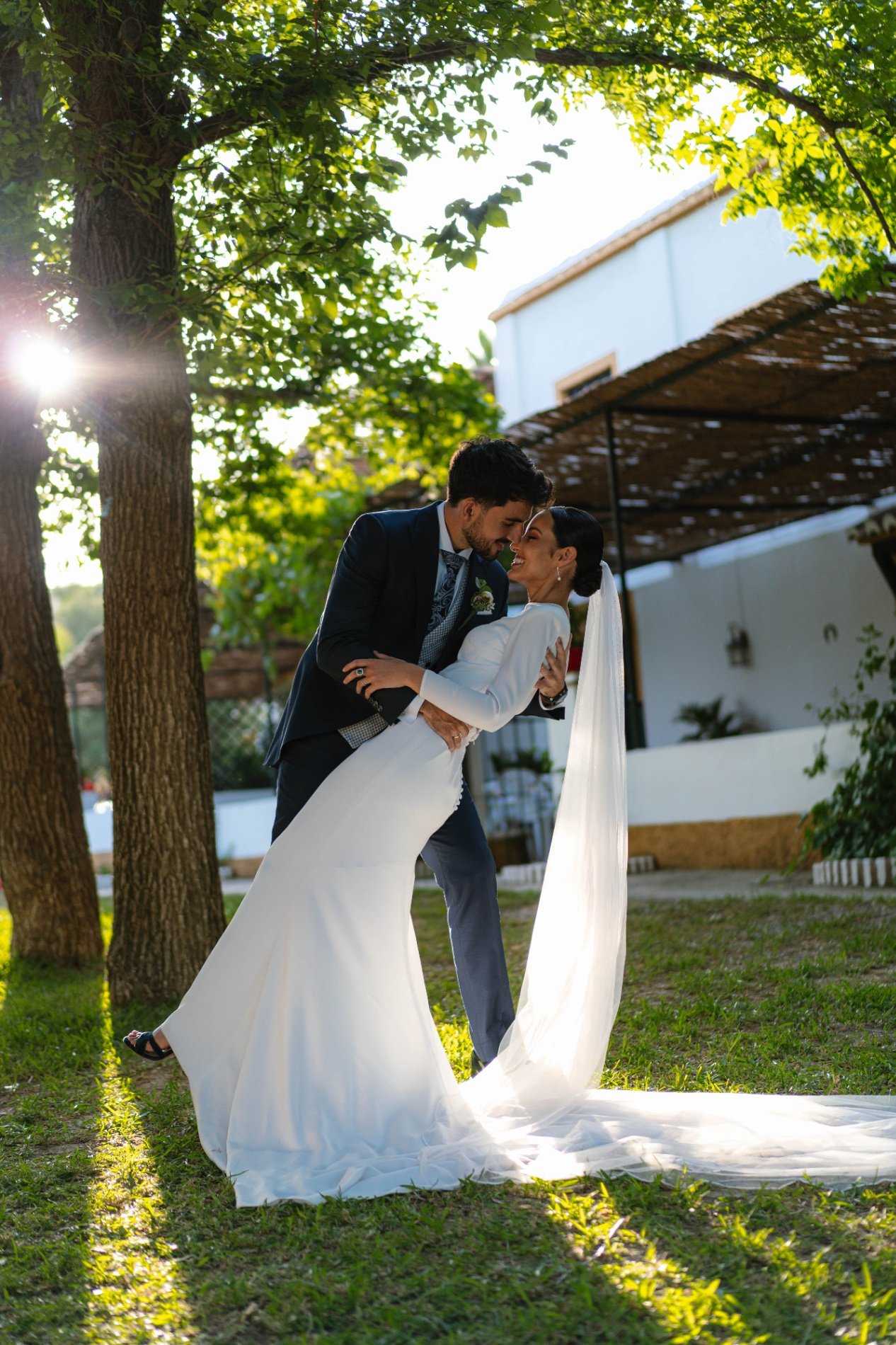
The Alcazaba, and why it works for a session
Málaga's Alcazaba climbs the hill above the port in walled terraces: horseshoe arches, courtyards with water channels, and each level giving a wider view of the city and the sea. Above it the Gibralfaro castle sits at the top with the whole bay in front.
What makes it useful is that the levels give you variety without going anywhere else. Enclosed arched courtyards at the bottom, open terraces halfway up, panorama at the top — three completely different registers on one ticket. Very few single locations in Spain do that.
It is a real climb. A lift from Calle Guillén Sotelo saves the first section, and there is a combined ticket with Gibralfaro.
The city below
Málaga's old town is compact and pedestrianised, with a cathedral known locally as La Manquita — the one-armed lady — because its second tower was never finished. The Muelle Uno promenade runs along the reworked port, and La Malagueta is a city beach a few minutes from the centre.
The combination is the point: a Moorish fortress, an old town, a modern port and a beach within about twenty minutes on foot. That is a genuinely full session without a car.
Marbella, forty minutes west
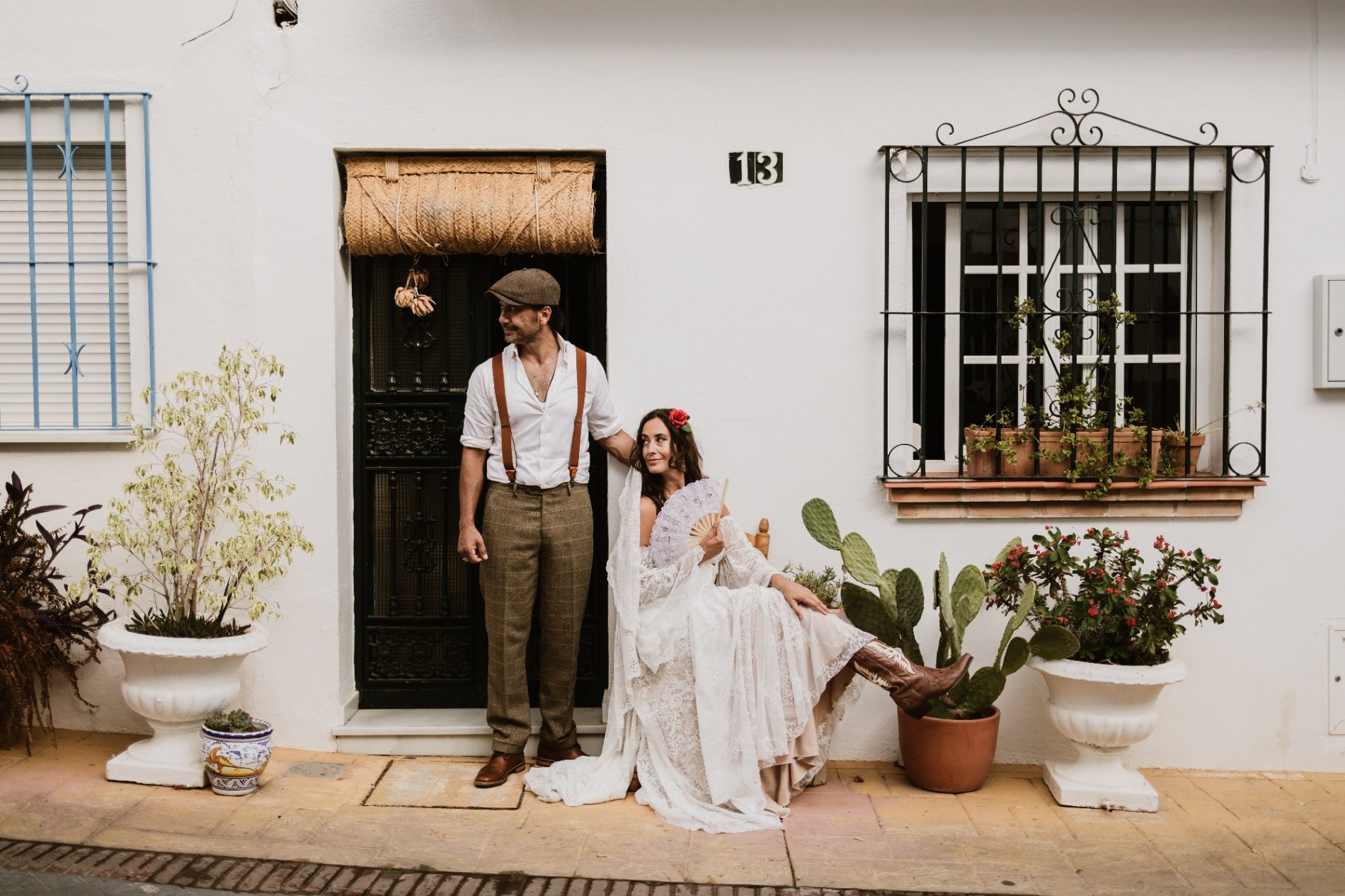
Behind the Costa del Sol seafront there is a real Andalusian old town: narrow whitewashed lanes, wrought-iron balconies loaded with geraniums, and a small square planted with orange trees.
The lanes are the useful part — high white walls mean bounced light rather than direct sun, so they work through the middle of the day when the beach does not. That matters on a coast where most visitors come in July and August.
Twenty minutes further, Puerto Banús gives the opposite register entirely: yachts, glass, hard modern lines. A session using both has range neither has alone.
What clients say about this kind of shoot
What can we say about Dani except that he is the best. He did an amazing job catching all of our special moments (and there were A LOT of them) and, more importantly, making us and our guests feel completely comfortable and relaxed throughout the whole wedding. My husband and I are not the most photogenic couple and always get nervous in front of a camera, but we had such a fun time with him that we were able to relax and got a lot of wonderful shots. We recommend him to everyone who will listen, because you simply can't go wrong with Dani as your photographer. Thank you again!
— Ariana Cerdera on Daniel G.
Daniel captured our Indian wedding day so beautifully! The photos turned out amazing, and he managed to catch so many special, candid moments throughout the day. We are absolutely thrilled with his work. Thank you so much, Daniel!
— Arjun Lotay on Daniel G.
Well, I hired him for my wedding day and without a doubt it's one of the best decisions of my life ❤️ Dani has magic in his hands — his work is genuinely STUNNING. He was wonderful to deal with, he understood exactly what I wanted, and whatever I had imagined my photos would look like, Dani went far beyond it. Your photos make people cry, and looking at them takes you straight back to the moment. All I can say is that I'd choose you a thousand times over, and a million thanks for making such a beautiful day stay with us forever.
— Client on Daniel G.
I have recently used Petra for my Madrid Proposal and would highly recommend her! From helping to pick the perfect location, organising a violinist and the amazing photography that we will get to keep forever, thank you so much, you helped to make it a day to remember!
— Thomas Wilson-Bolton on Petra M.
Petra was great! She discreetly photographed and videoed my proposal and then photographed us in multiple locations. She was very helpful in posing us for photos while keeping everything very natural and fun.
— Jett Allen on Petra M.
Petra Majerova was a wonderful choice for our wedding. She accompanied us for two sessions: on our wedding day and, a few weeks later, in the gardens of the Royal Palace of Madrid. On both occasions, she made us feel comfortable and natural, perfectly capturing our connection, our emotions, and all those little moments that make photographs truly special. Her photography is elegant, sensitive, and full of personality. The result exceeded our expectations: we not only have beautiful images, but also a memory that tells our story. We wholeheartedly recommend Petra to any couple looking for a top-notch wedding photographer in Madrid.
— Miguel Coca on Petra M.
Why this coast survives August
Every guide to Andalusia says avoid July and August, and for Seville and Córdoba that is correct — both regularly pass 40°C.
Málaga does not, because the sea moderates it. It is hot, but it is a coastal hot with a breeze and somewhere to swim, and the old town lanes hold shade. If your dates are fixed in high summer and you want Andalusia, this is the part of it that works.
The corollary is that it is also the busiest part in those months. Early morning is still the answer.
Where it sits against the rest of Spain
Choose the Costa del Sol for accessibility: Málaga's airport is one of the best-connected in Spain, everything is close together, and photographers here are easier to book at short notice than in Barcelona or Seville.
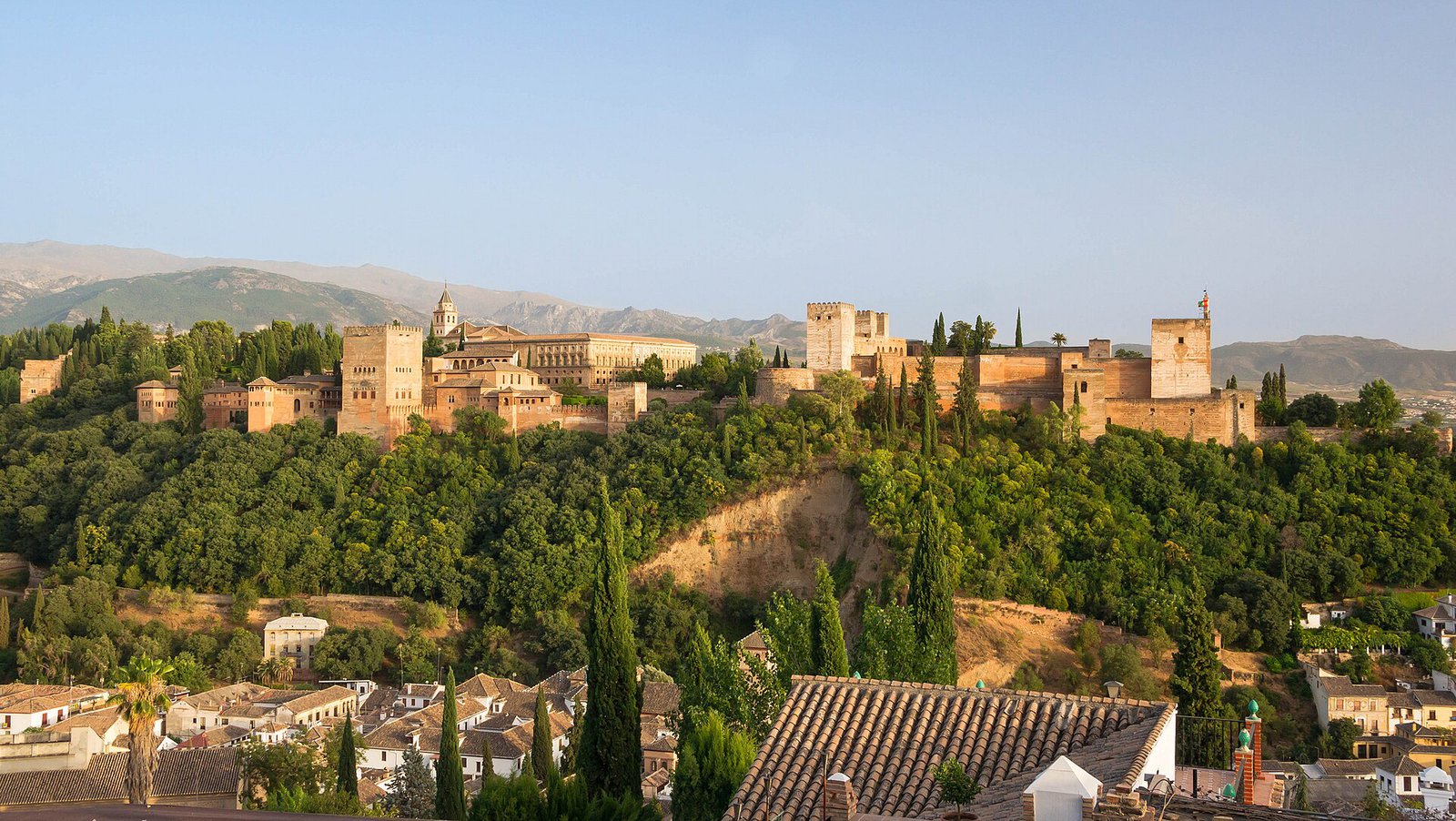
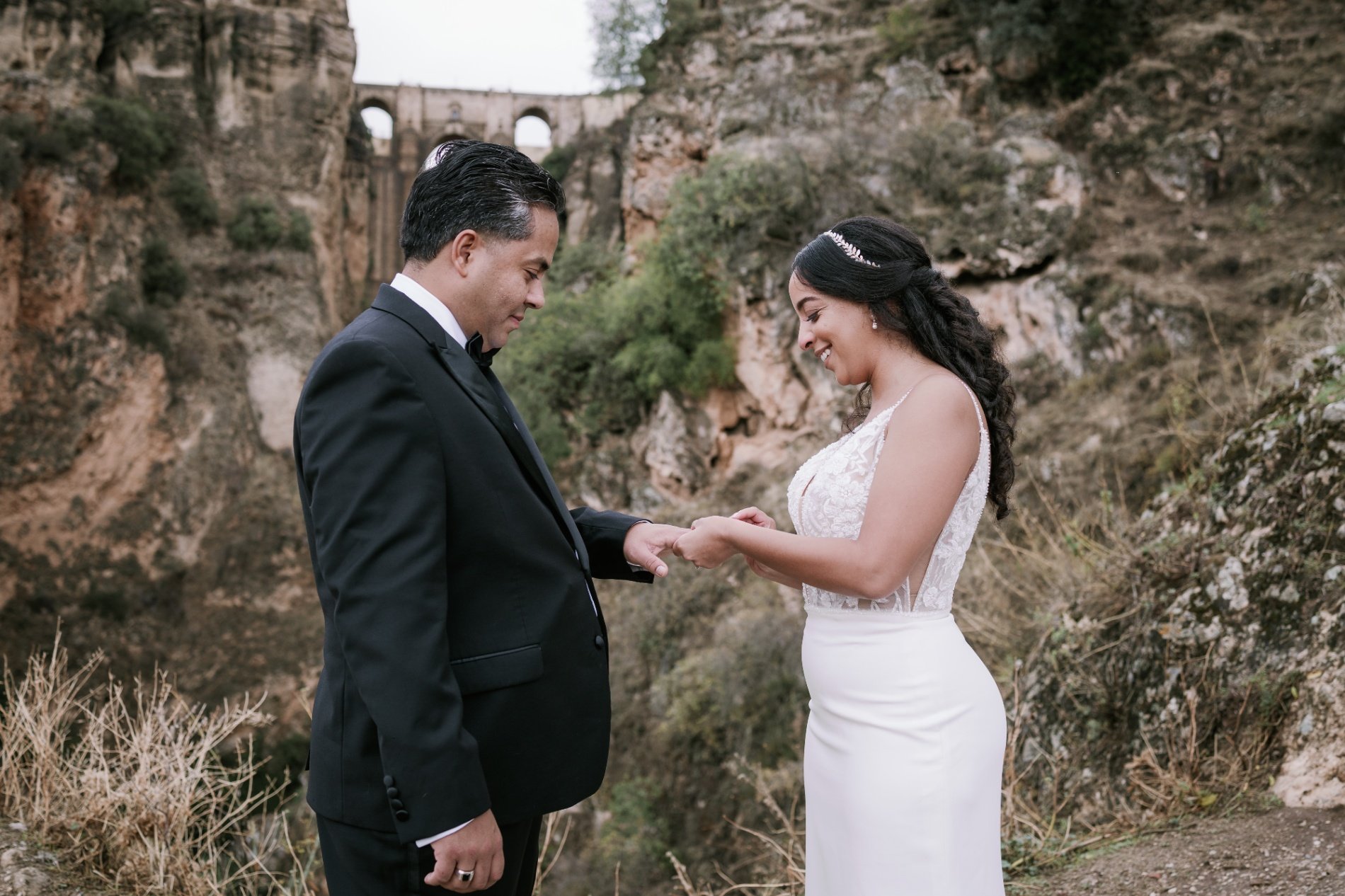
Choose elsewhere if you want drama. Ronda is an hour inland and has a gorge; Granada is ninety minutes and has the Alhambra. The coast is convenient rather than spectacular, and a trip based here can reach both.
A route that works
- Early morning — the Alcazaba courtyards, before the heat and the queue
- Mid-morning — Gibralfaro terraces for the bay
- Midday — the old town lanes, or Marbella's casco antiguo
- Late afternoon — Muelle Uno or La Malagueta
- Sunset — the beach, facing west along the coast
The photographers covering Málaga and Marbella work this coast year-round, which is worth more here than elsewhere because summer sessions live or die on knowing where the shade is.
Frequently asked questions
Can you do a photoshoot in Málaga in August?
Yes — it is the one Andalusian city where a summer session is actually viable. Seville and Córdoba regularly pass 40°C, but the sea moderates Málaga: it is a coastal hot with a breeze, somewhere to swim, and old-town lanes that hold shade. It is also the busiest part of the coast in those months, so early morning is still the answer.
Is the Alcazaba worth a whole session?
It is one of very few single locations in Spain that gives variety without going anywhere else: enclosed arched courtyards with water channels at the bottom, open terraces halfway up, and the whole bay from the Gibralfaro at the top — three registers on one ticket. It is a real climb, but a lift from Calle Guillén Sotelo saves the first section, and there is a combined ticket with Gibralfaro.
How does the Costa del Sol compare with Seville or Granada for photos?
Choose it for accessibility: Málaga's airport is one of the best-connected in Spain, fortress, old town, port and beach are within about twenty minutes on foot, and photographers here are easier to book at short notice than in Barcelona or Seville. Choose elsewhere for drama — Ronda with its gorge is an hour inland, Granada with the Alhambra ninety minutes — and a trip based on the coast can reach both.
Want professional photos in Málaga?
Browse portfolios, compare packages, and book a verified local photographer in minutes.