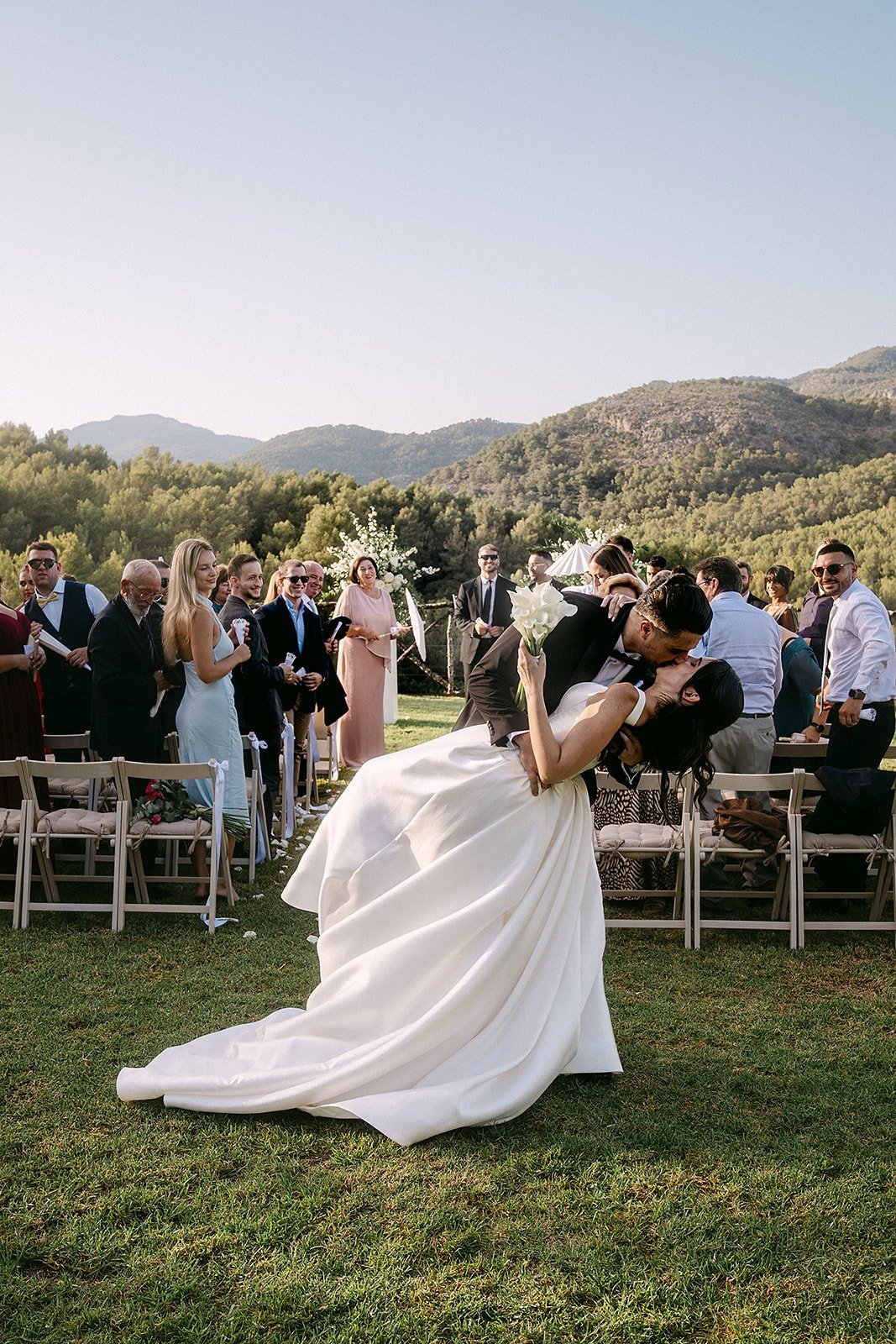
Planning a Small Wedding in Spain: Paperwork, Places and the Right Order
Small is a superpower, used in the right order
A twenty-guest wedding in Spain can happen on a clifftop at sunset, in a carmen garden in Granada, on a Cadaqués terrace — places a two-hundred-guest production could never fit. The freedom is real; the trap is doing the steps out of order. The order is: decide legal-versus-symbolic, then the region, then the venue, and only then the pretty things.
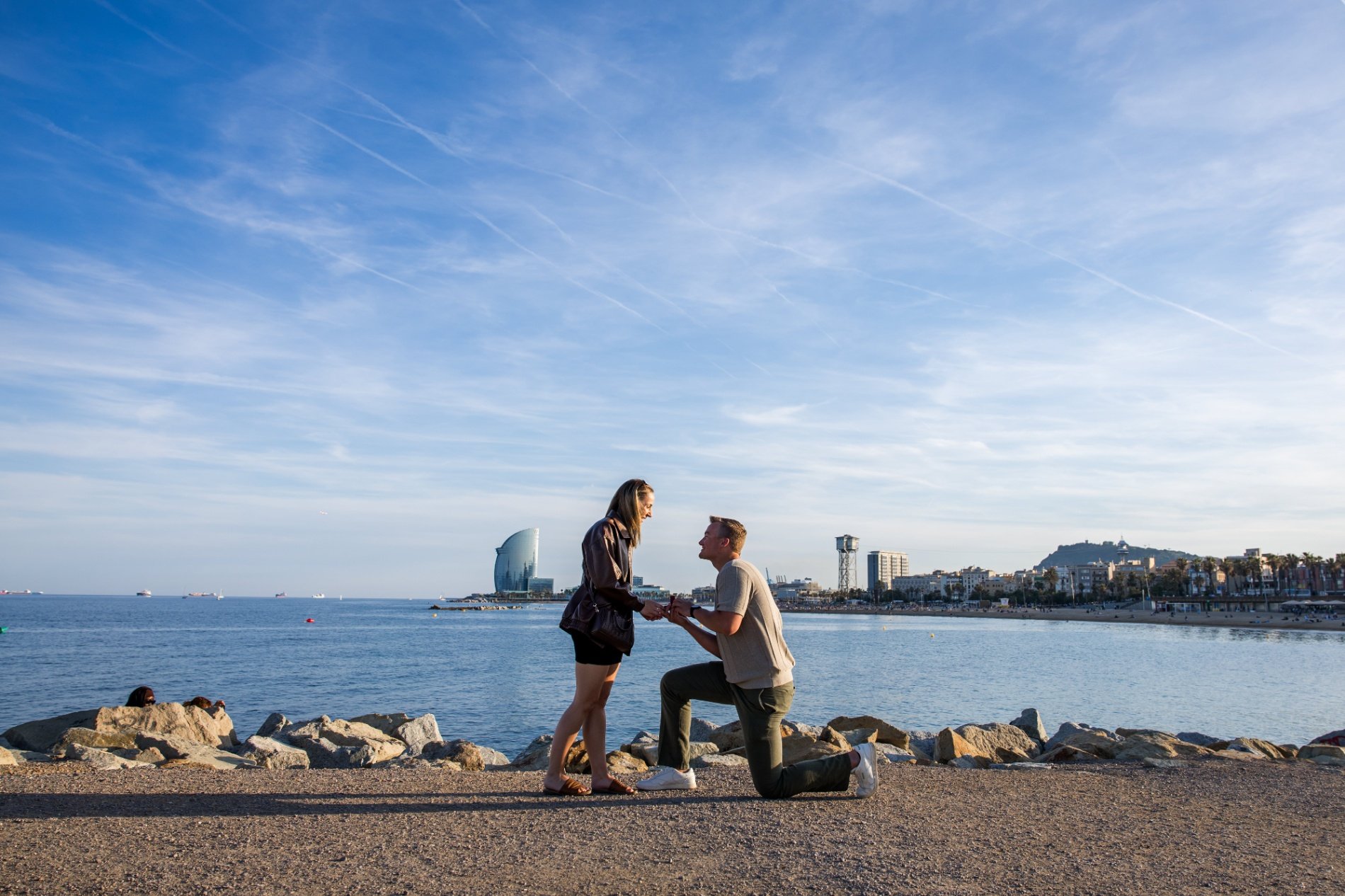
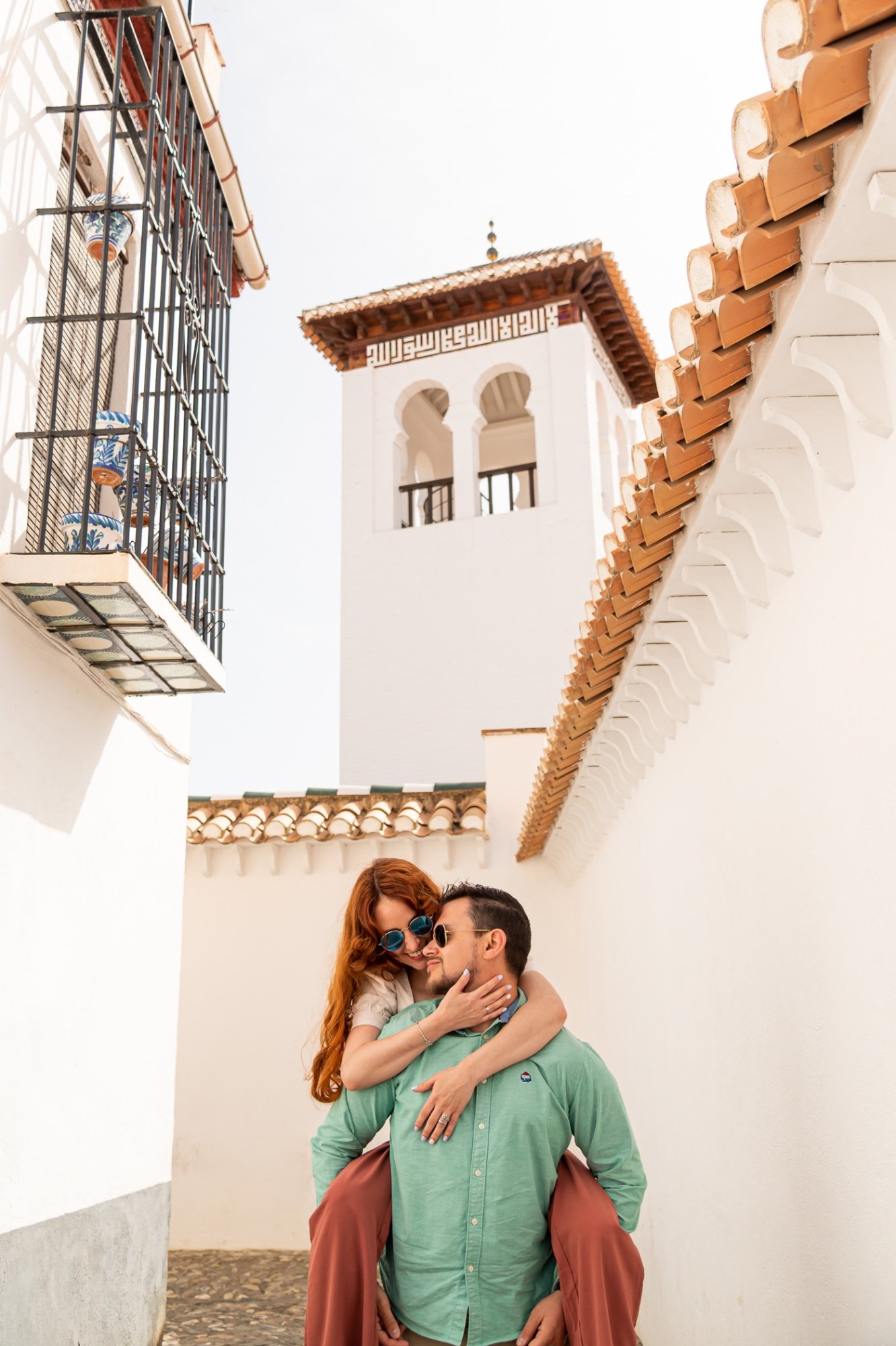
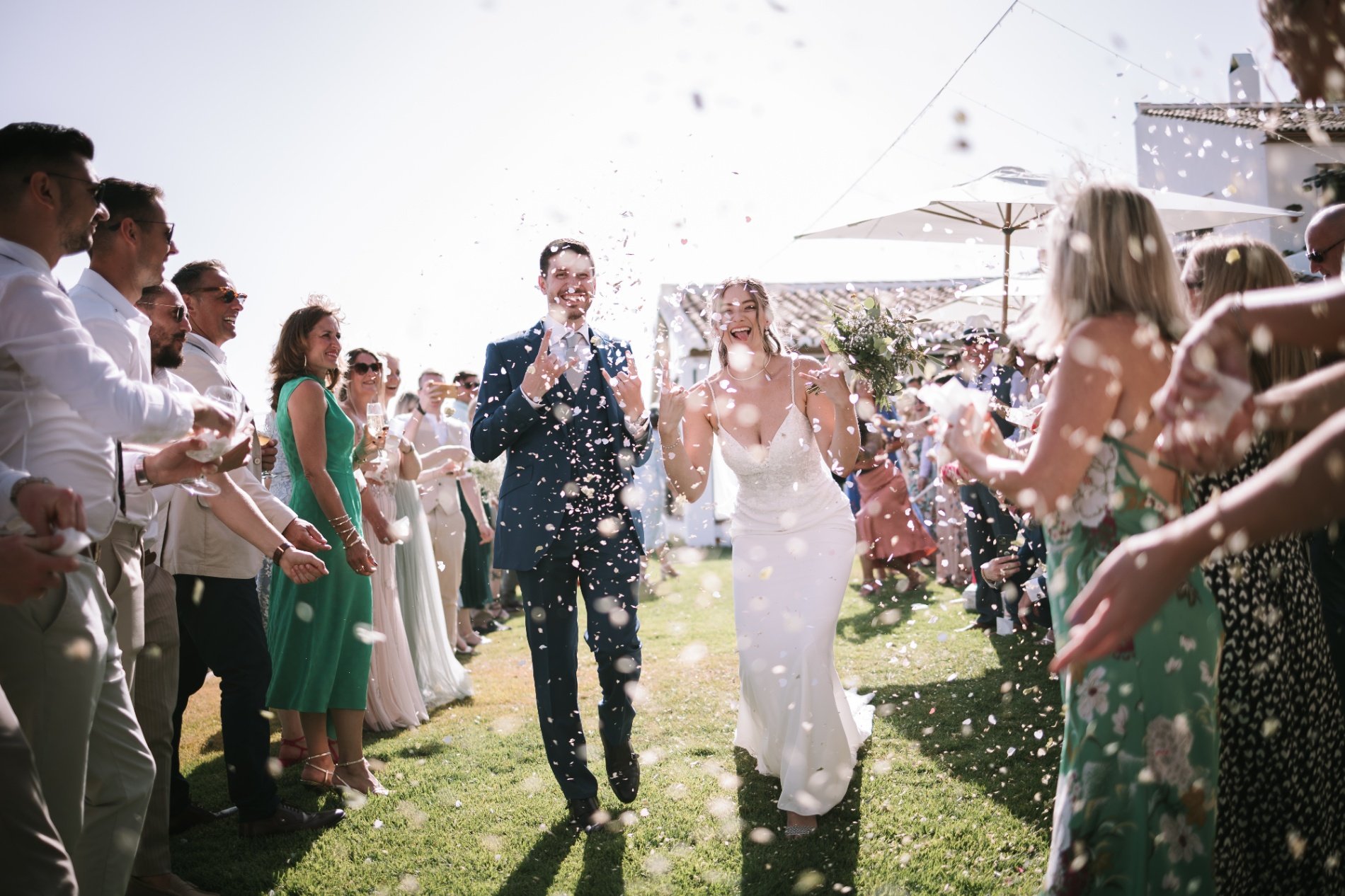
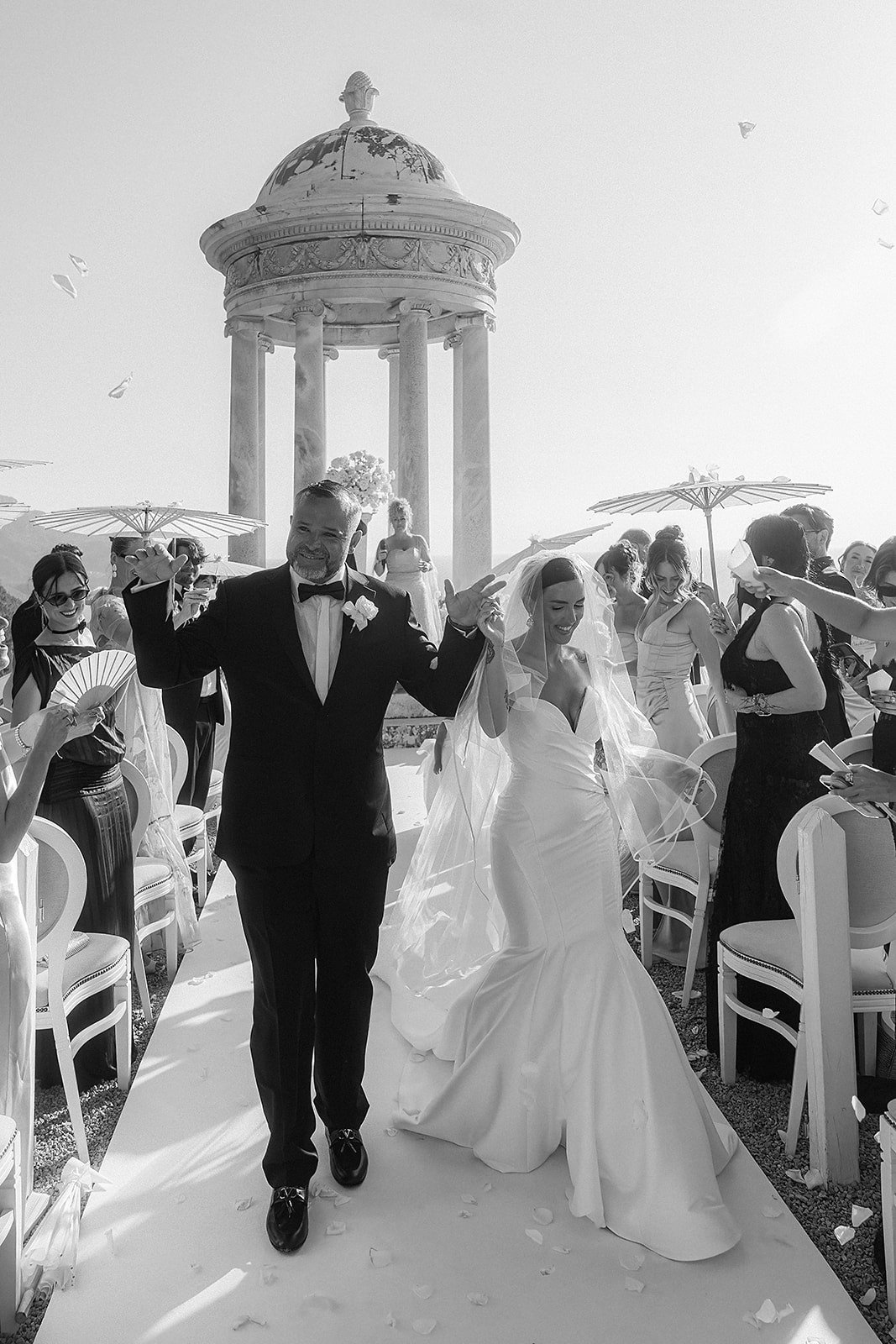
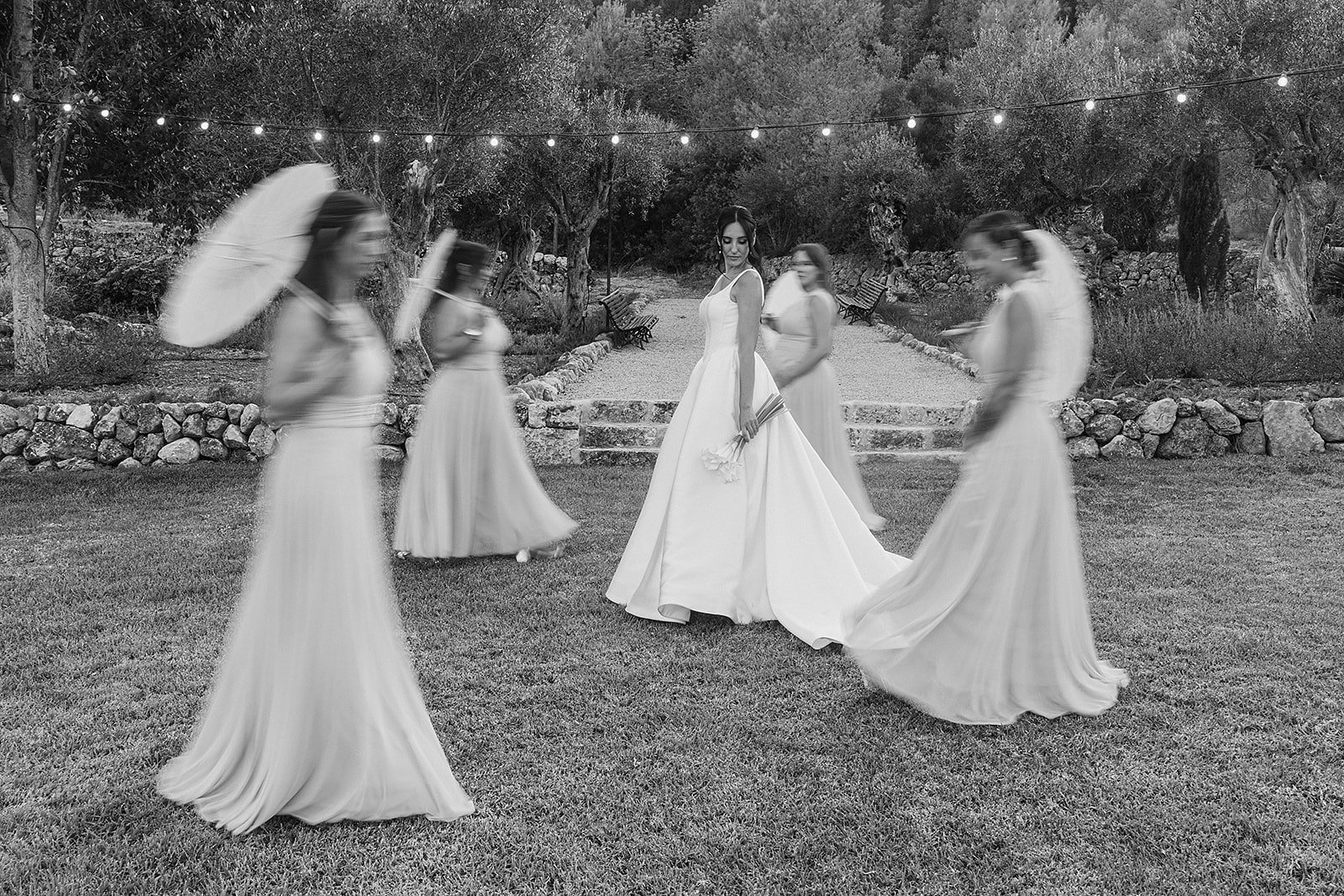
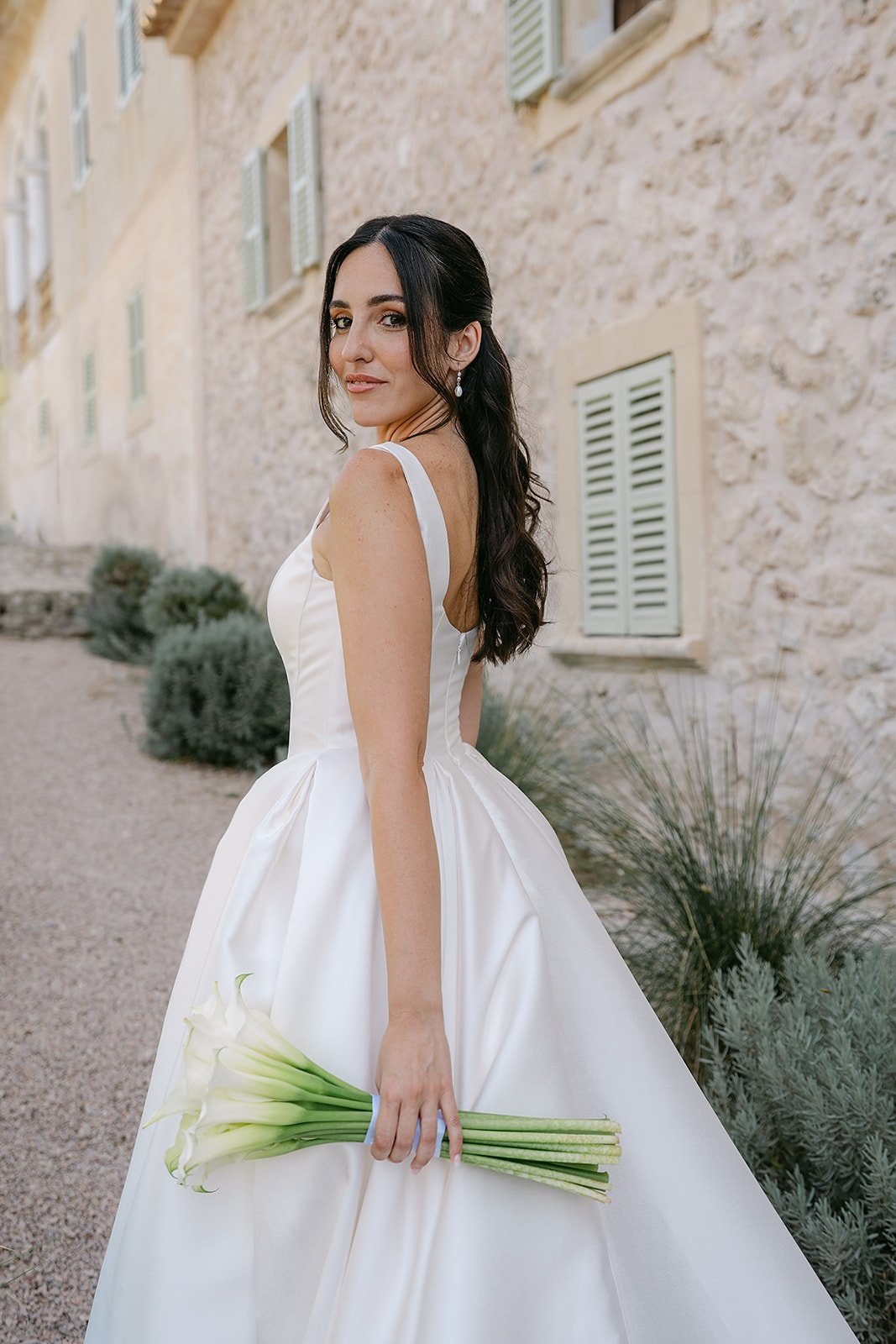
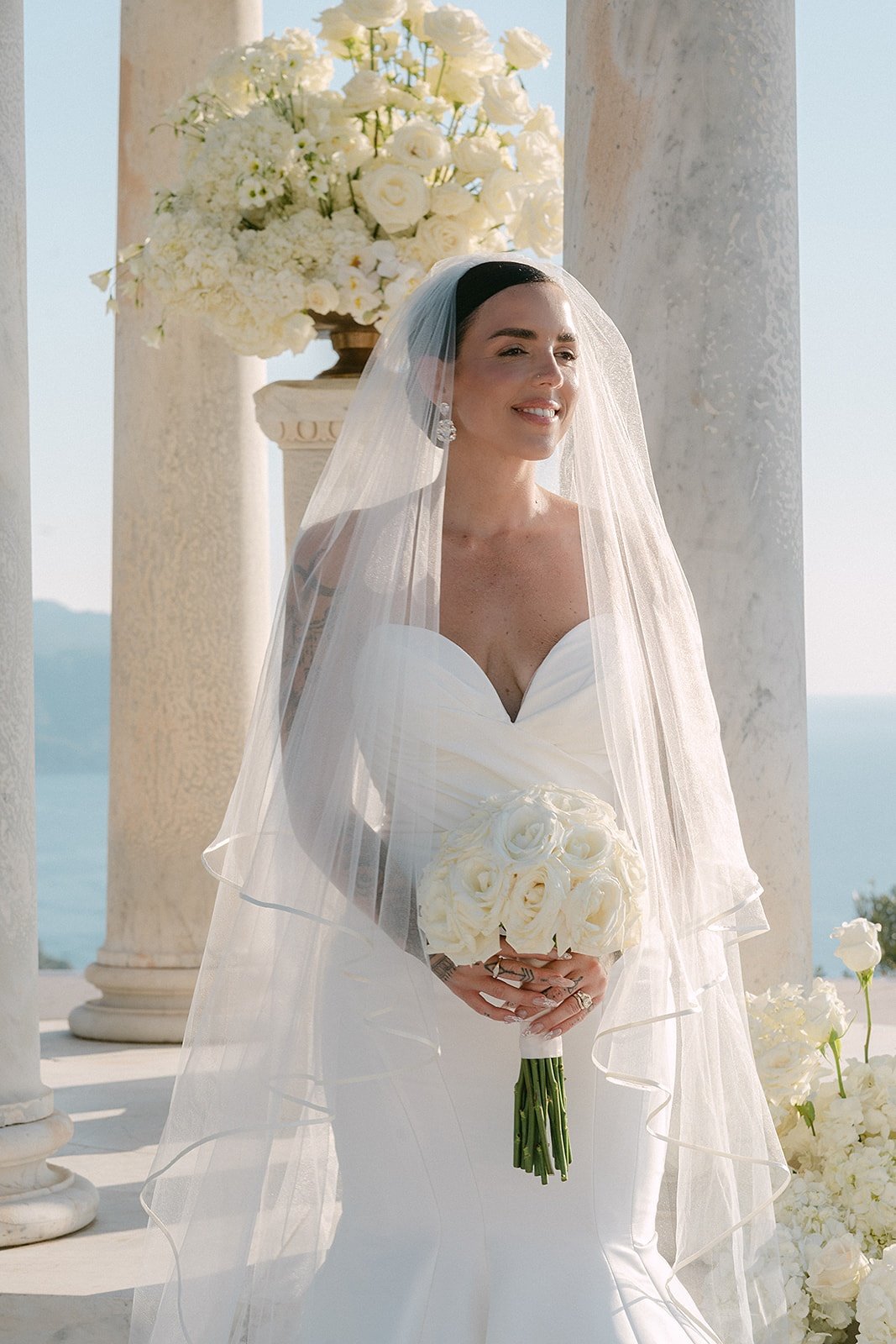
Real shots from Mallorca
Step one: legal or symbolic
The honest shortcut most international couples take: do the legal paperwork at home — a registry office costs a morning — and hold the ceremony in Spain as a symbolic one. In the photographs and in the memory, nothing differs; in the paperwork, everything simplifies. A symbolic ceremony needs no permits in most private venues and many public places.
If you want it legally binding in Spain: civil marriage for non-residents runs through the Registro Civil and typically wants documents — birth certificates, certificates of no impediment — translated, apostilled and, in several regions, weeks to months of processing. Catholic church weddings run on their own parallel track. Start this six months out, or choose the shortcut above.
Step two: the region, chosen by the pictures
- The Balearics — Mallorca's Tramuntana terraces and coves; the strongest sea-and-cliff backdrops in the country. High demand May–October.
- Andalusia — Ronda's gorge, Granada's carmen gardens, whitewashed villages; golden light and the longest season.
- Catalonia — Costa Brava coves and Girona's old town; easy flights, the sea an hour from the city.
- The Canaries — the only reliable December-to-February option, volcanic drama included.
Step three: the venue, sized to the group
With twenty guests you skip wedding factories entirely. The venues that fit: a finca or masía booked as accommodation-plus-dinner, a restaurant's private terrace, a small hotel buyout. Ask one question early: can the ceremony, the dinner and the first dance all happen on site? At small scale, every transfer you delete returns half an hour of golden light to the photographs.
The photography maths of a small day
Small weddings need less coverage, not less photographer: 3–5 hours catches preparation, ceremony, portraits and the start of dinner. The elopement page covers two-to-ten-guest formats; for something closer to thirty guests, wedding coverage with a single photographer usually fits. Whatever the size, walk the couple-portraits route with your photographer the evening before — at twenty guests, nobody minds the bride disappearing for forty minutes of cliff light.
What clients say about this kind of shoot
When we were thinking of Andreu and Aleksandra as our wedding photographers, what we liked was that their photos weren't just a keepsake of the day, but told a story. We could see that a lot of their photos had life and personality, that they were bold, and that's exactly what we found in our own session too. There are moving photos, fun ones, others that are simply gorgeous and some that are really crazy. Simply wonderful, really. All in all, we're thrilled.
— Pere C. on Andreu D.
The work Martino did was magnificent! We LOVED the photos he took of us at Lake Braies❤️ 🤩!. He was also very kind and attentive throughout the whole process, from the first contact to the day of the proposal, always in touch, taking care of every detail of the light so that everything turned out perfect. It was a wonderful experience! His services are highly recommended. Thank you Martino 🫰🏽!
— Rogelio R. on Martino B.
Ola is an absolutely wonderful photographer. I asked her to capture the moment when I proposed to my partner at Jardines de Alfabia, and as a wedding photographer couple, it was incredibly important to us that one of the most meaningful moments of our lives so far was captured as perfectly as possible. When we received the photos, they brought us so much joy. Ola made fantastic use of the surroundings and created beautiful compositions. Even the strong Mallorcan sunshine was no challenge for her, she handled the lighting perfectly and captured every moment beautifully. On top of her incredible talent, Ola is also very creative, kind, and helpful. She made the whole experience feel natural and truly special. Thank you so much for everything, Ola! We are incredibly grateful that you captured these precious memories for us.
— Dániel N. on Ola K.
Met coincidentally at Lake Braise, and offered to take some shots for my partner and I! Photos were amazing!!
— Timothee on Martino B.
Jordi did a spectacular job. What a great decision it was to write to him! As someone who works in the industry, I've rarely seen such polished work and such a critical eye for capturing every detail. A 10, truly. ❤️
— Samuel O. on Jordi I.
Ola did the most amazing job on our wedding day in Valdemossa ❤️ Even all the guests could see how hard she worked to make sure she captured the most important parts of our day. As a couple who aren’t used to being in from of the camera, she was able to help us find the right poses and angles, making us feel confident and comfortable the whole time. She also took time out of her day to come and view the venue with us months before the big day, ensuring she’d be capturing us in the best light and in the most unexpectedly gorgeous locations! The pictures are better than I could ever have hoped for - she is truly magic! Thank you so much!
— Jane S. on Ola K.
The guest logistics that decide the day
Twenty guests still means twenty sets of flights, beds and taxis, and on a small wedding those logistics shape the day more than the menu does.
- Flights. Palma, Barcelona, Madrid and Málaga are served year-round from most of Europe; Menorca, Santiago and San Sebastián thin out badly outside summer. Check the return flights your guests would actually take before you fix the date.
- The last kilometre. Airport to finca is often 45 minutes of country road. Without a shuttle that means a hire car per couple — or a very expensive evening. Book one minibus; it is the cheapest problem you will ever solve.
- Beds nearby. On Mallorca and along the Costa Brava, July and August rooms disappear months ahead. Blocking a small allocation is not a luxury.
- Minimum stays. Many fincas rent by the week in season, or with a two-to-three-night minimum. That single line changes the budget more than flowers ever will.
What to check before you sign
- Beach ceremonies on public sand generally need permission from the local ayuntamiento; scope and cost vary by town and season, so ask early.
- Noise curfews. Outdoor music at rural venues frequently has to stop around midnight — check the number, because it decides whether dinner starts at eight or ten.
- Wind. North-facing coasts on the islands are unusable in a tramuntana. Every outdoor plan needs a covered alternative written into the contract.
- IVA. Spanish quotes may or may not include 21% VAT. Confirm "IVA incluido" in writing, and ask for a proper invoice.
- The deposit. A señal of 20–30% holds the date; get the postponement terms in writing at the same time.
Building the day backwards from sunset
The one timing rule worth obeying: ceremony ninety minutes before sunset. In the Balearics that is roughly 19:50 in late June, 18:45 in mid-September and 17:15 by late October — which quietly decides what time dinner happens, whether the toasts land in daylight, and how much of the evening the photographer needs to cover.
Slot the twenty minutes of couple portraits into the golden hour immediately after the ceremony, with the aperitivo running around them; nobody notices your absence when there is a drink and a view. If the whole thing is closer to two people than twenty, the coverage maths in eloping in Mallorca and the Balearics fits better — and either way, the photographers who list full weddings are the ones who can tell you how long your particular venue takes to move around.
The order, summarised
Legal decision (month one) → region and date (month two) → venue and photographer (months two-three; good small venues and good photographers book out together) → celebrant, flowers, dinner (after). Do it in that order and a small Spanish wedding is the least stressful version of the institution that exists.
Frequently asked questions
Do we need to get legally married in Spain to have our wedding there?
No, and most international couples don't: they do the legal paperwork at home — a registry office costs a morning — and hold a symbolic ceremony in Spain. In the photographs and the memory nothing differs, in the paperwork everything simplifies, and a symbolic ceremony needs no permits in most private venues and many public places. A legally binding civil marriage for non-residents runs through the Registro Civil with translated, apostilled documents and weeks to months of processing — start six months out if you want it.
How many hours of photography does a small wedding need?
Three to five hours catches preparation, ceremony, portraits and the start of dinner — small weddings need less coverage, not less photographer. Whatever the size, walk the couple-portraits route with your photographer the evening before; at twenty guests nobody minds the bride disappearing for forty minutes of cliff light.
In what order should we plan a small wedding in Spain?
Legal decision in month one, region and date in month two, venue and photographer in months two to three — good small venues and good photographers book out together — and only then celebrant, flowers and dinner. When choosing the venue, ask early whether the ceremony, the dinner and the first dance can all happen on site: at small scale, every transfer you delete returns half an hour of golden light to the photographs.
Want professional photos in Mallorca?
Browse portfolios, compare packages, and book a verified local photographer in minutes.