Where to Get Married in Spain, Chosen by What You Want the Photos to Look Like
Couples usually choose a Spanish wedding region the same way: someone sends a photograph of a venue, everything else gets arranged around it. It works often enough. But the thing that decides how your wedding photographs look is not the venue — it is the light, the season and how far apart the day's locations sit.
Here is how Spain's wedding regions actually differ.
Mallorca — the default for a reason
The Serra de Tramuntana runs the length of the island's north-west coast: terraced hillsides, stone villages like Deià and Valldemossa, and a drop straight into the sea. Inland there are working fincas that have been converted into venues, with olive groves and long approach drives.
What it gives the photographs: depth. Mountains behind, sea below, and the warm limestone that holds evening colour longer than white render does.
What to plan around: the island is busy from June to September and the roads through the Tramuntana are slow and narrow. Ten kilometres between the ceremony and the reception can be forty minutes. Ask about drive times before you commit to two locations.
Andalusia — Seville, Ronda, Córdoba
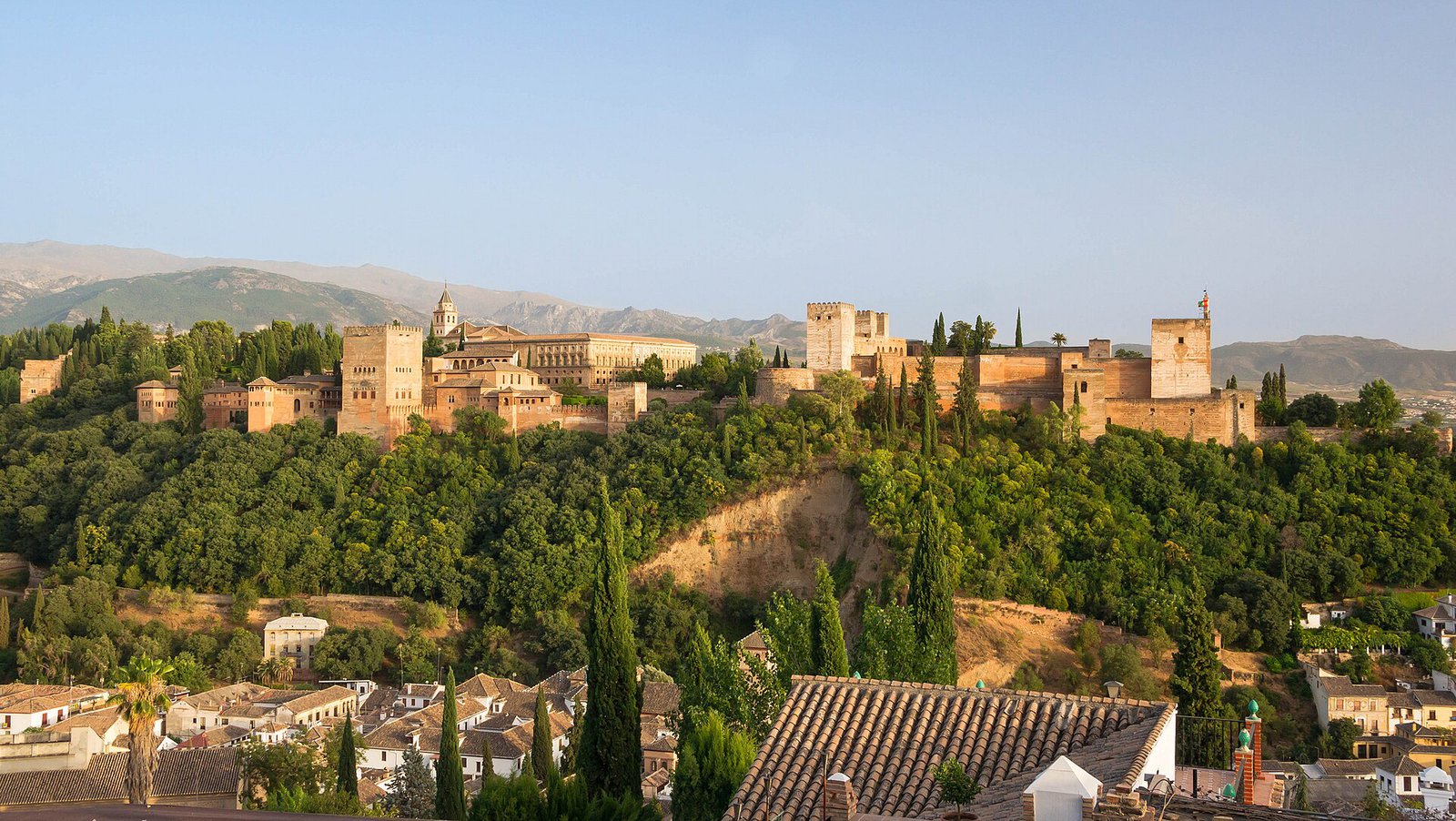
The most photogenic architecture in the country, and the hardest weather. Tiled courtyards, orange trees, palaces, and in Ronda a town balanced on the edge of a 120-metre gorge.
What it gives the photographs: texture and colour that no other region can match. Azulejo tiling, whitewash, wrought iron, deep shade against hard sun.
What to plan around: heat, seriously. Seville and Córdoba clear 40°C in July and August. A summer wedding here means an evening ceremony and portraits at either end of the day, not in the middle. April to early June and late September into October are the windows that work — and in Córdoba the first half of May is when the flower-filled patios are open, which is the single best fortnight in the region for photographs.
Also check the calendar against Semana Santa and the Feria de Abril in Seville. During those weeks the city is wonderful and completely impossible.
The Costa Brava and Girona — the quieter coast
Pine-backed cliffs, small turquoise coves at Tossa de Mar and Cadaqués, and inland a medieval city with a cathedral stairway that photographs like a film set.
What it gives the photographs: intimacy. The coves are small, so the frames are close rather than sweeping, and the pines put green into pictures that are otherwise blue and gold.
What to plan around: the good coves are small and public. A ceremony on one usually means a very early or very late slot, and someone checking access rules in advance.
San Sebastián and the Basque coast — the one that looks like nowhere else in Spain
Green hills running into a grey-green Atlantic, La Concha's shell-shaped bay, Belle Époque railings, and the best food in the country by a distance.
What it gives the photographs: a completely different palette. Soft, cool, often overcast — which flatters skin and fabric in a way that hard southern sun does not.
What to plan around: the weather is genuinely unpredictable, including in summer. This region only works if you are comfortable with the possibility of rain and have an indoor plan you would actually be happy with. Couples who want guaranteed sun should not choose the Basque coast; couples who want atmosphere often should.
What clients say about this kind of shoot
What can we say about Dani except that he is the best. He did an amazing job catching all of our special moments (and there were A LOT of them) and, more importantly, making us and our guests feel completely comfortable and relaxed throughout the whole wedding. My husband and I are not the most photogenic couple and always get nervous in front of a camera, but we had such a fun time with him that we were able to relax and got a lot of wonderful shots. We recommend him to everyone who will listen, because you simply can't go wrong with Dani as your photographer. Thank you again!
— Ariana Cerdera on Daniel G.
Daniel captured our Indian wedding day so beautifully! The photos turned out amazing, and he managed to catch so many special, candid moments throughout the day. We are absolutely thrilled with his work. Thank you so much, Daniel!
— Arjun Lotay on Daniel G.
Well, I hired him for my wedding day and without a doubt it's one of the best decisions of my life ❤️ Dani has magic in his hands — his work is genuinely STUNNING. He was wonderful to deal with, he understood exactly what I wanted, and whatever I had imagined my photos would look like, Dani went far beyond it. Your photos make people cry, and looking at them takes you straight back to the moment. All I can say is that I'd choose you a thousand times over, and a million thanks for making such a beautiful day stay with us forever.
— Client on Daniel G.
Having Daniel for our daughter's christening was one of the best decisions we've made — not only because of how kind he is, but because he managed to put everything we lived that day into pictures. The quality of the photos, and how natural they feel, is what we liked most. Thank you so much for the wonderful job you did.
— Rocío Ruix on Daniel G.
Choosing Daniel as our wedding photographer was the best decision we could have made. He was kind, thoughtful and fully committed to capturing our special moments. There was no hassle, no discomfort — just the most professional and lovely experience we could have wished for. His photos turned out exactly as I hoped and will forever remind me of this beautiful time. As foreigners getting married in Spain, we were so glad to be guided by a local and felt perfectly taken care of. Daniel has our deepest gratitude and warm recommendation to any couple looking for that special something.
— Barbora Orlická on Daniel G.
Dani was the best choice we made for our wedding. From the very first moment the chemistry was so good that we knew we were in the best hands. The day confirmed it: warmth, affection, complete naturalness and plenty of emotion. When we received the photos it was incredible. We relive every moment each time we look at them. Every single one can carry us back to those moments, those emotions and those people who shared something so special with us. And being able to relive your wedding over and over thanks to his work is simply one of the loveliest gifts you can have. We couldn't be happier with the result. Truly 🤍
— María González Fernández on Daniel G.
Ibiza — for the sunset, specifically
Walled Dalt Vila above the port, white chapels inland, and a west coast that exists for one purpose: the sun going down behind Es Vedrà from Cala Comte.
What it gives the photographs: the most reliable dramatic sunset in Spain.
What to plan around: everything on Ibiza is priced and scheduled around the season. Book far ahead, and consider May or October, when the light is the same and the island is not.
Toledo and Segovia — history within reach of Madrid
A walled city on a granite hill inside a bend of the Tagus, and a town with a Roman aqueduct running through the middle of it and a fairytale Alcázar at the end. Both are half an hour to an hour from Madrid.
What it gives the photographs: scale and stone, with none of the coastal cliché.
What to plan around: these are day-trip towns, so they are busy in the middle of the day and quiet at both ends. That suits a wedding schedule better than it sounds.
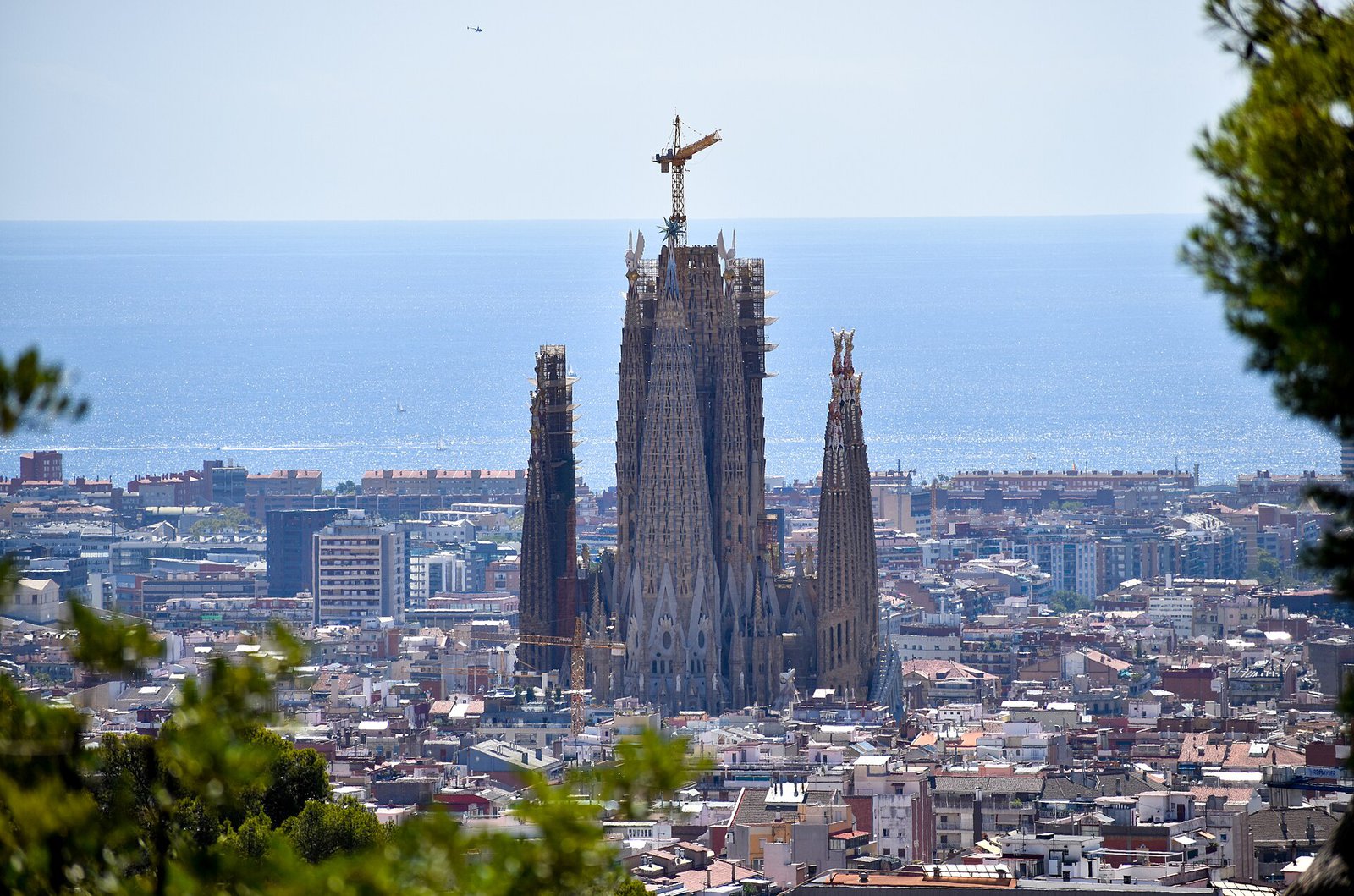
Barcelona — a city wedding that does not look like a city wedding
Modernist interiors, Gothic courtyards, hillside terraces above the rooftops, and the sea twenty minutes from all of it.
What it gives the photographs: variety in a small radius. You can move between four completely different backdrops without leaving the city, which is rarely true elsewhere.
What to plan around: permits and crowds at the famous locations, and August, when much of the city closes and the heat sits still.
The question that actually decides it
Not "which is most beautiful" — they all are. Ask instead:
- What month can your guests travel? That eliminates half the list on weather alone.
- How many locations do you want in one day? Two locations forty minutes apart costs you the best hour of light in a car.
- Do you want sun guaranteed, or atmosphere? The south gives you the first, the north gives you the second, and no region gives you both.
Answer those three and the region usually picks itself.
When you have a shortlist, the wedding photographers on Photo Spain can tell you what a day actually looks like in each one — sunset times for your date, realistic drive times, and where the light will be when you need it. You can also browse regions and cities on the map to see what each one offers before committing.
Frequently asked questions
Which region of Spain has the best weather for a wedding?
Andalusia gives you guaranteed sun with the most photogenic architecture in the country, but Seville and Córdoba clear 40°C in July and August, so the windows that work are April to early June and late September into October — and the first half of May, when Córdoba's patios are open. The Basque coast gives you atmosphere instead: soft, cool, often overcast light that flatters skin and fabric, with the possibility of rain even in summer. No region gives you both.
How far apart can the ceremony and the reception be?
Closer than the map suggests. On Mallorca the roads through the Tramuntana are slow and narrow, and ten kilometres between the ceremony and the reception can be forty minutes — two locations forty minutes apart costs you the best hour of light in a car. Ask about drive times before you commit to two locations, whatever the region.
Which Spanish region is best for a sunset wedding by the sea?
Ibiza, specifically the west coast, where the sun goes down behind Es Vedrà from Cala Comte — the most reliable dramatic sunset in Spain. Everything on the island is priced and scheduled around the season, so book far ahead, and consider May or October, when the light is the same and the island is not.
Want professional photos in Córdoba?
Browse portfolios, compare packages, and book a verified local photographer in minutes.