Where to Photograph in Barcelona: 8 Locations, and When Each One Works
Barcelona gives you more usable backdrops per square kilometre than anywhere else in Spain. That sounds like an advantage until you try to plan a two-hour session and it quietly turns into a walking tour with a camera.
The list below is the shortlist most local photographers actually work from. For each one, the thing that decides whether it works on your date is not how it looks in someone else's photo — it is light direction, crowd timing, and whether you need a ticket.
5 photo spots in Barcelona — click a pin to open the full guide
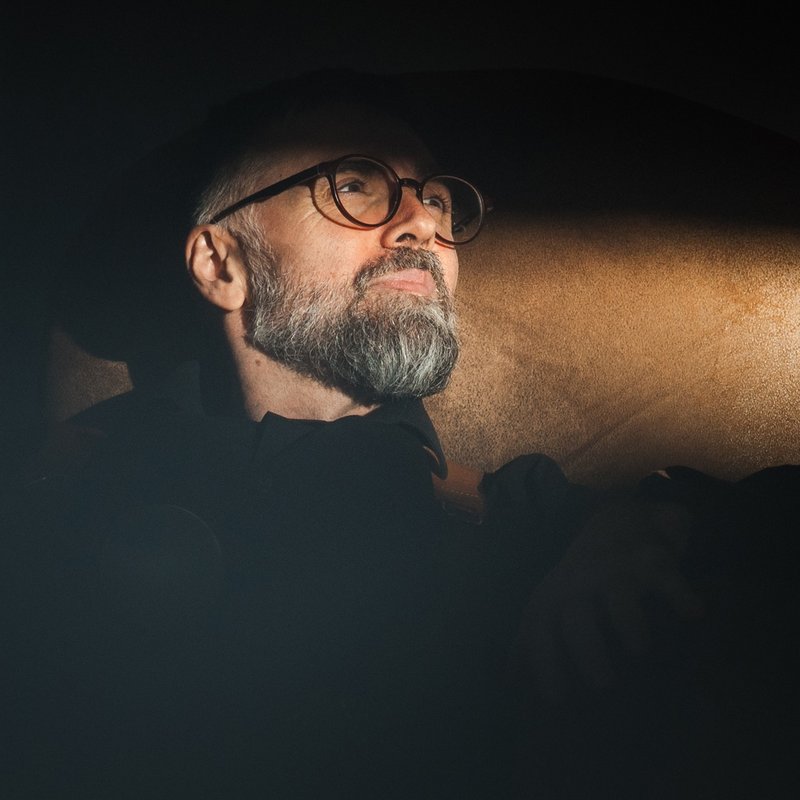
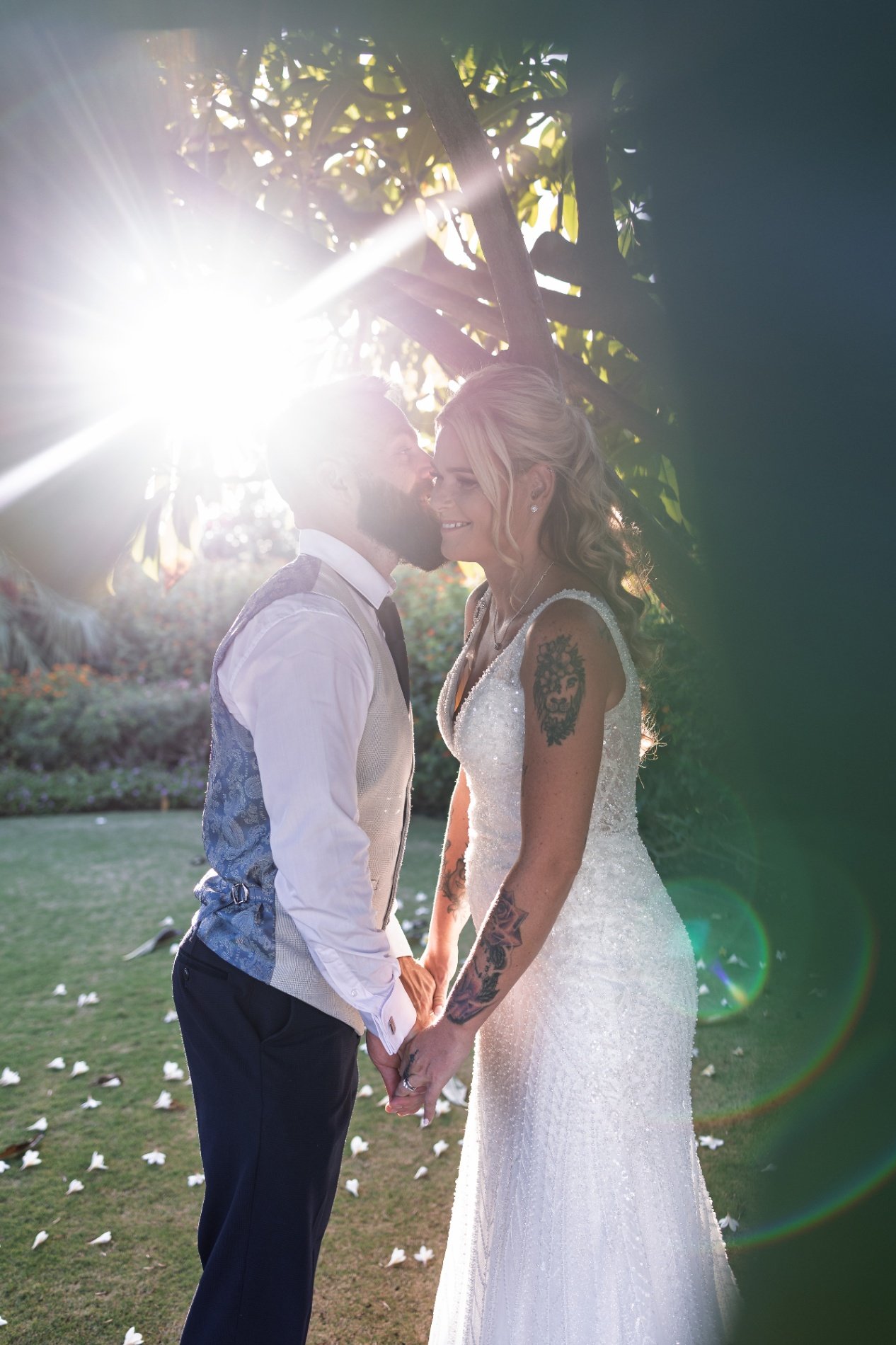
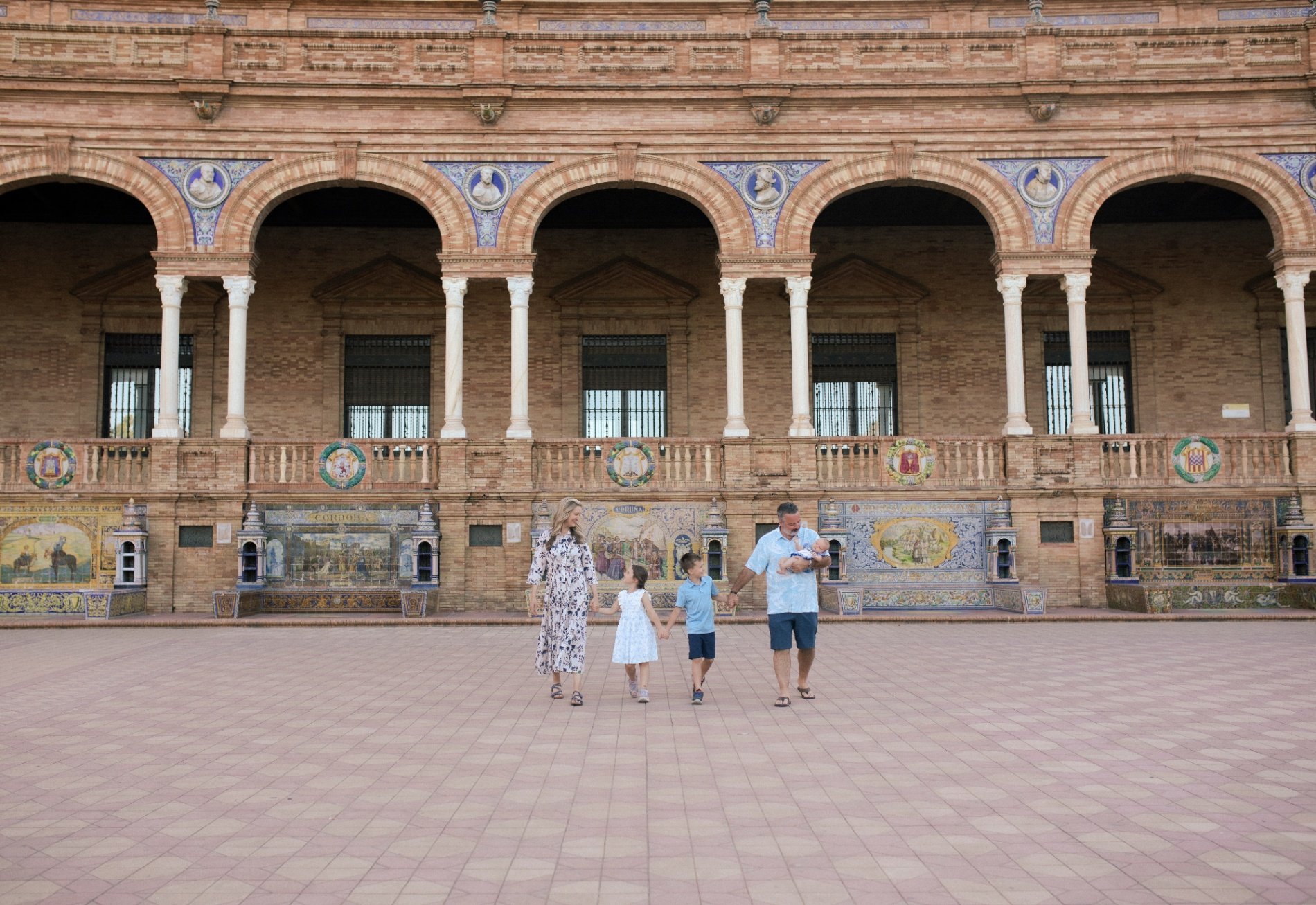
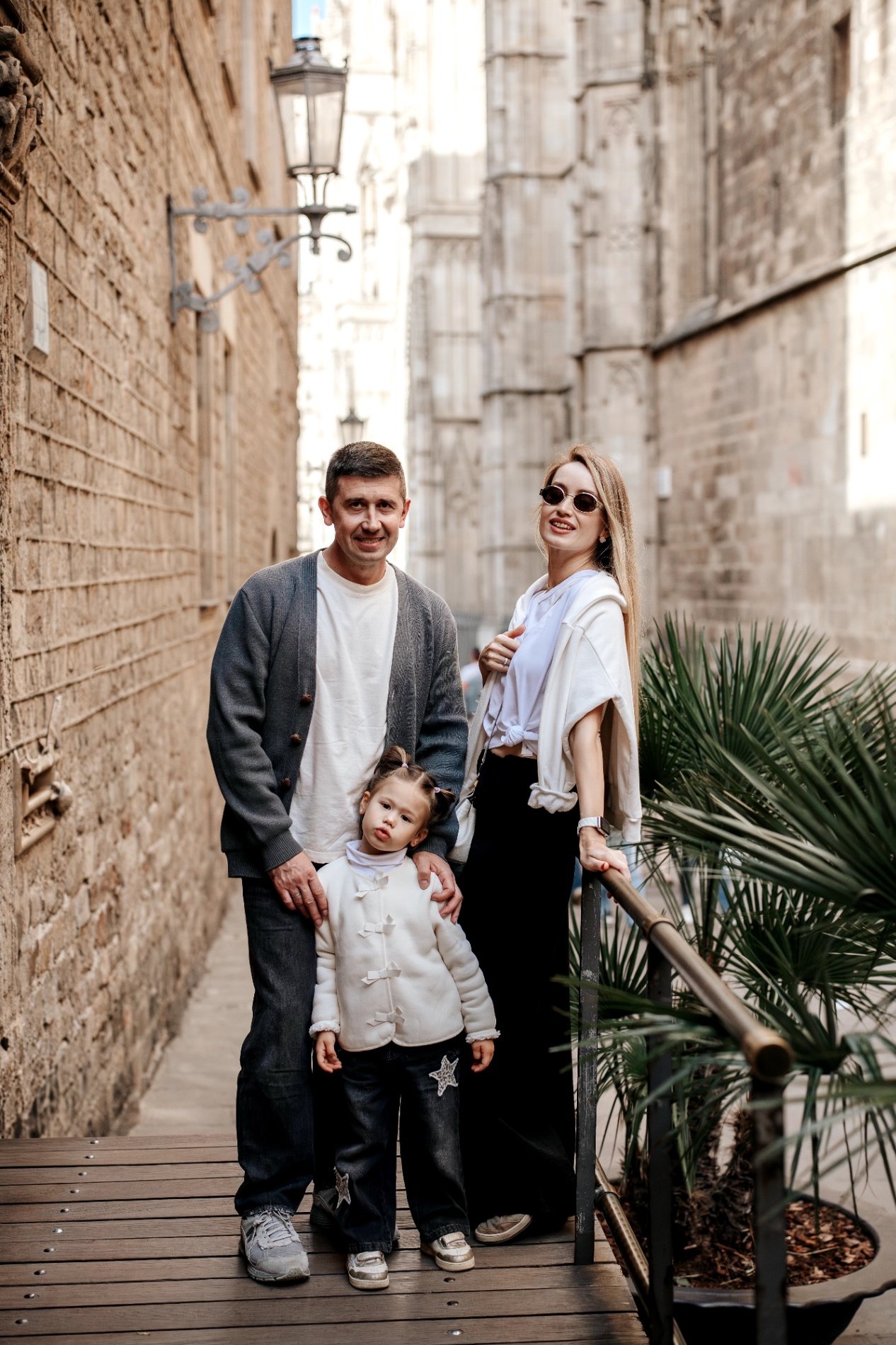
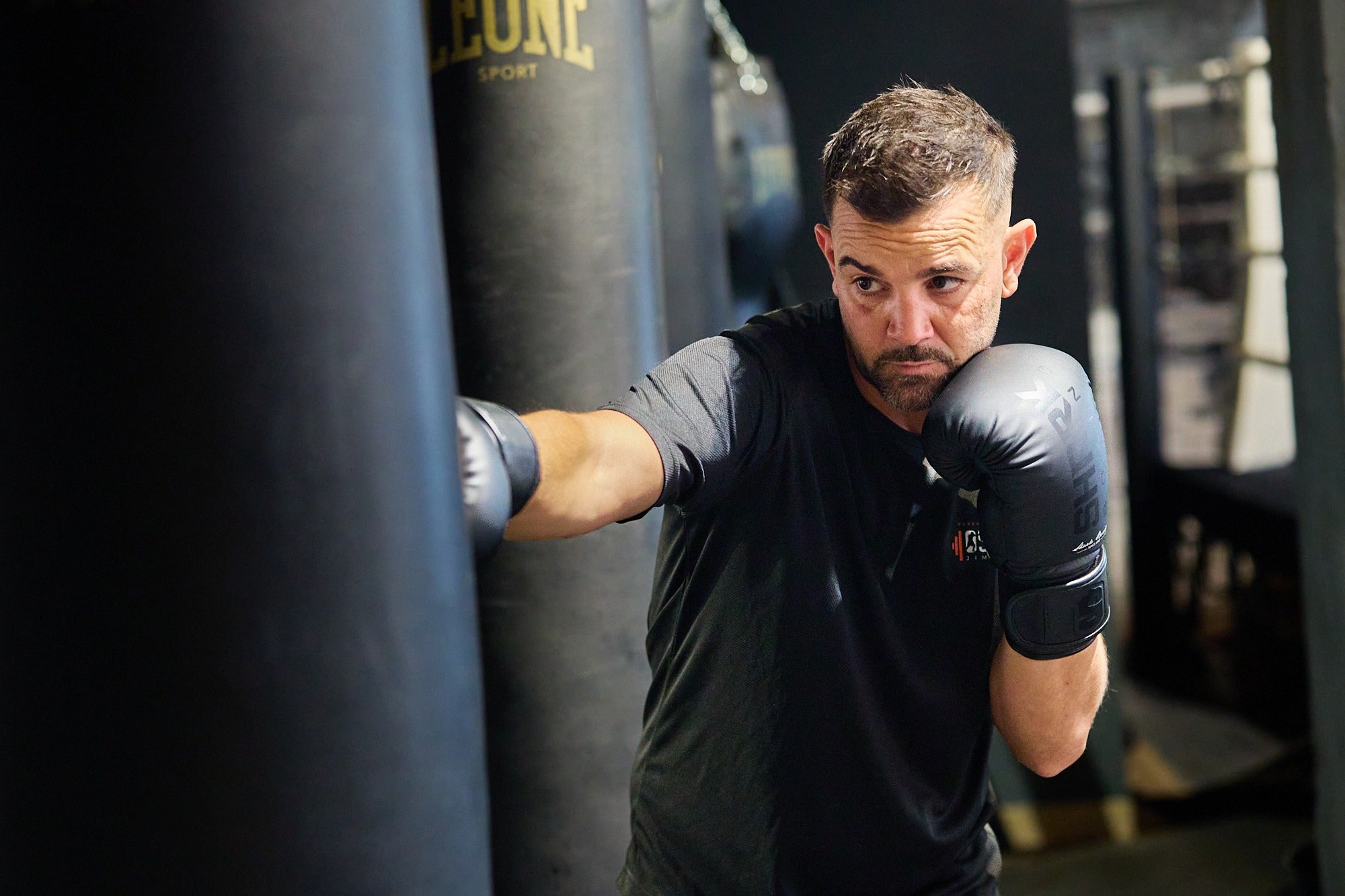
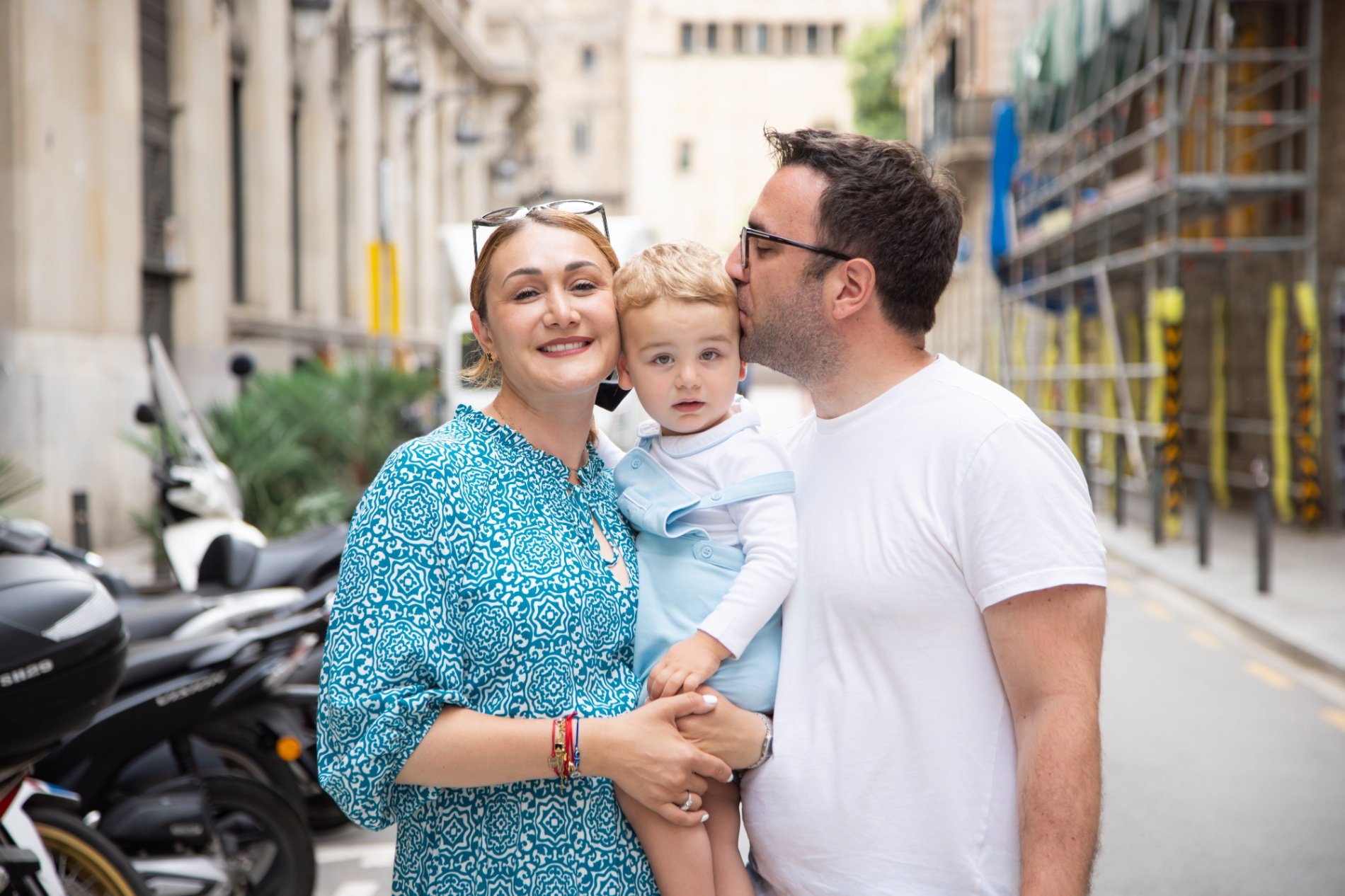
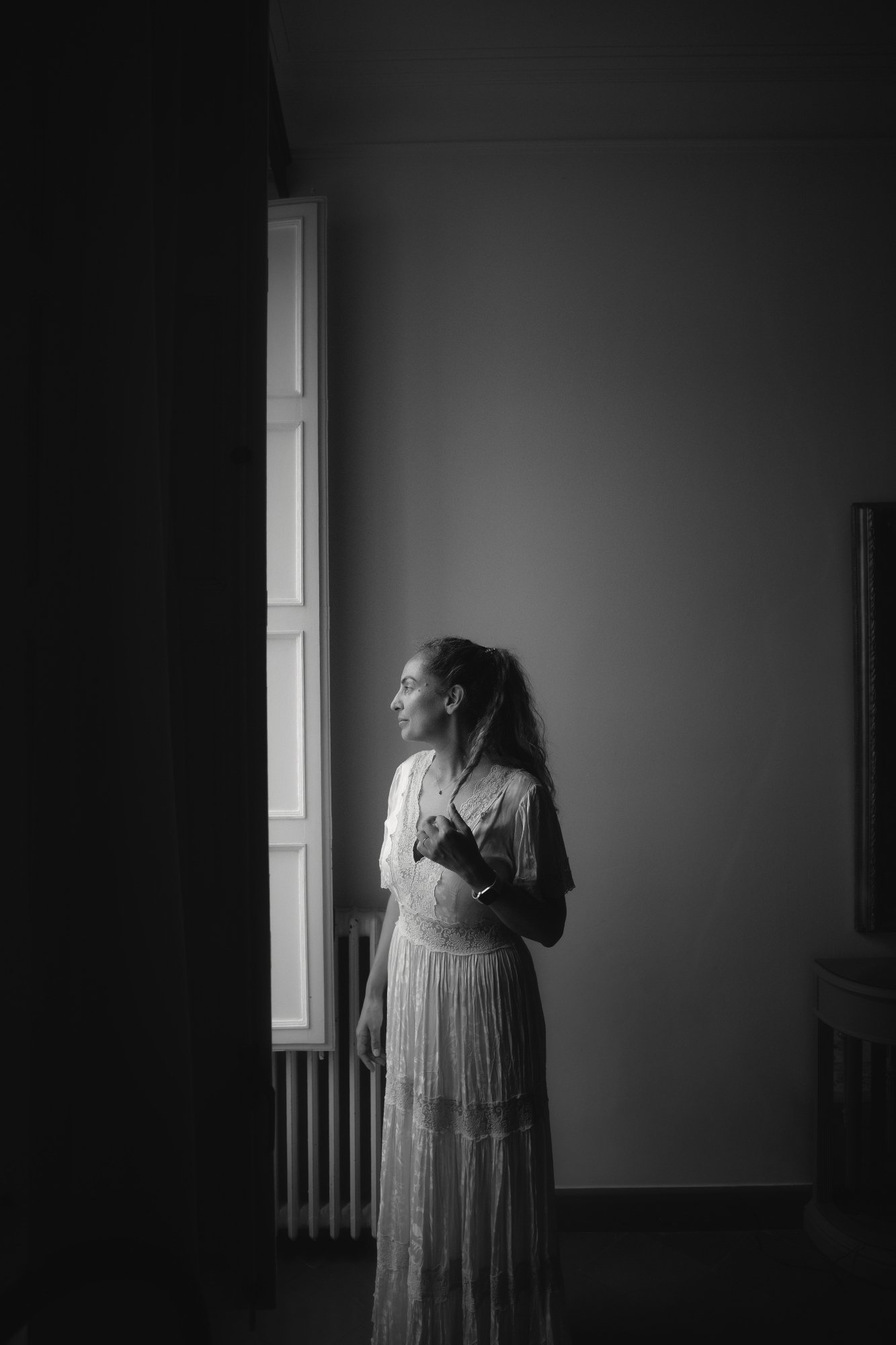
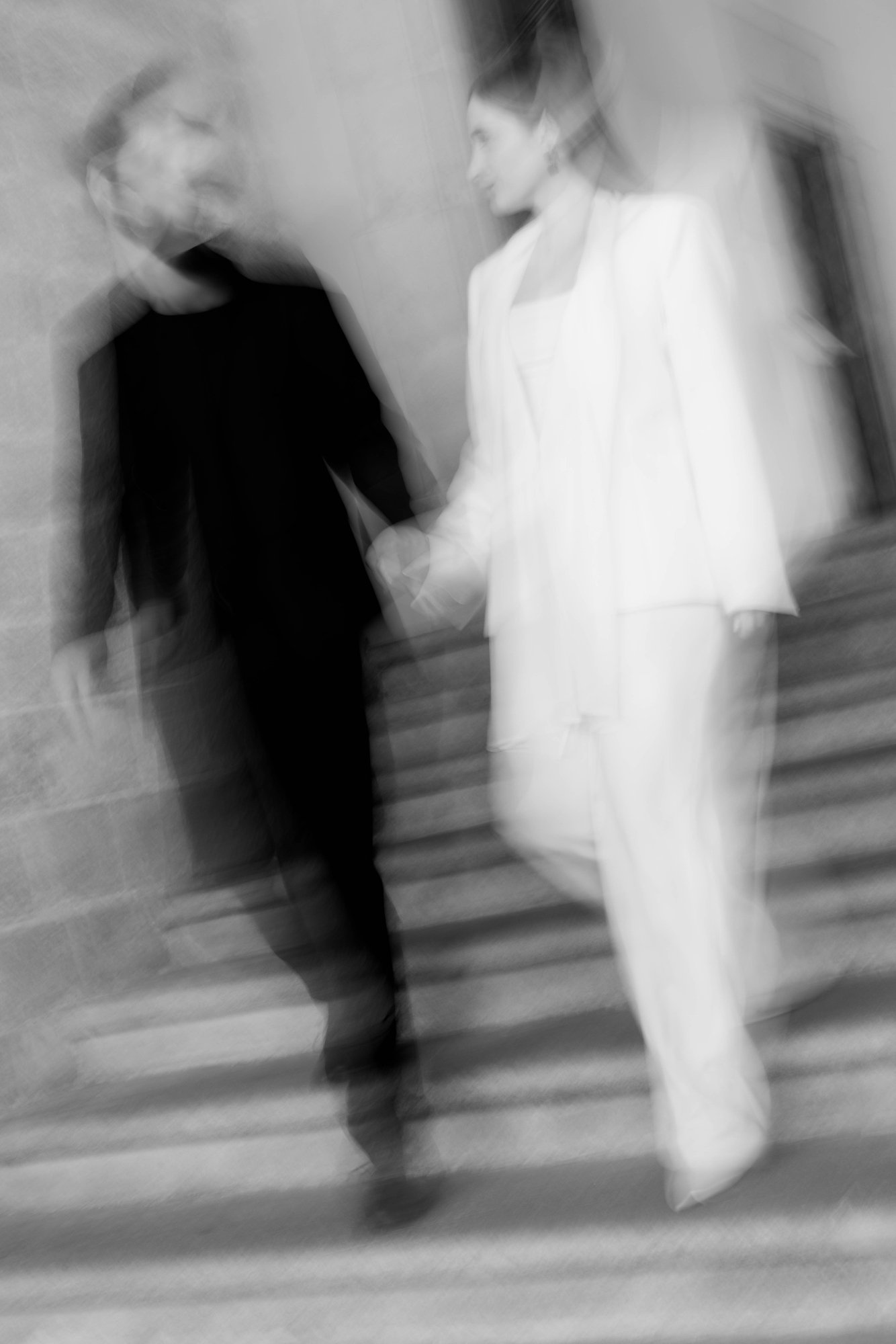
Real shots from Barcelona
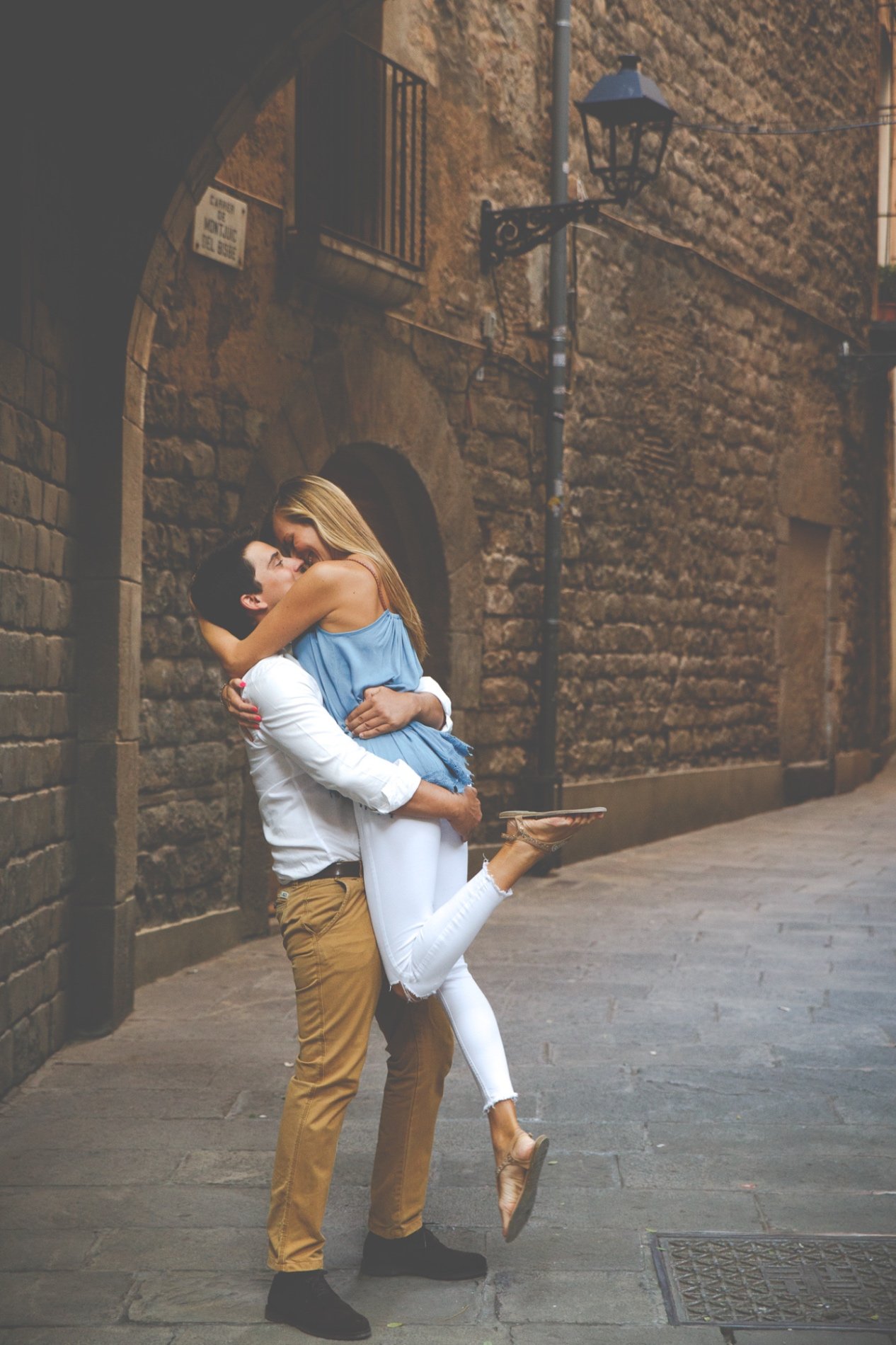
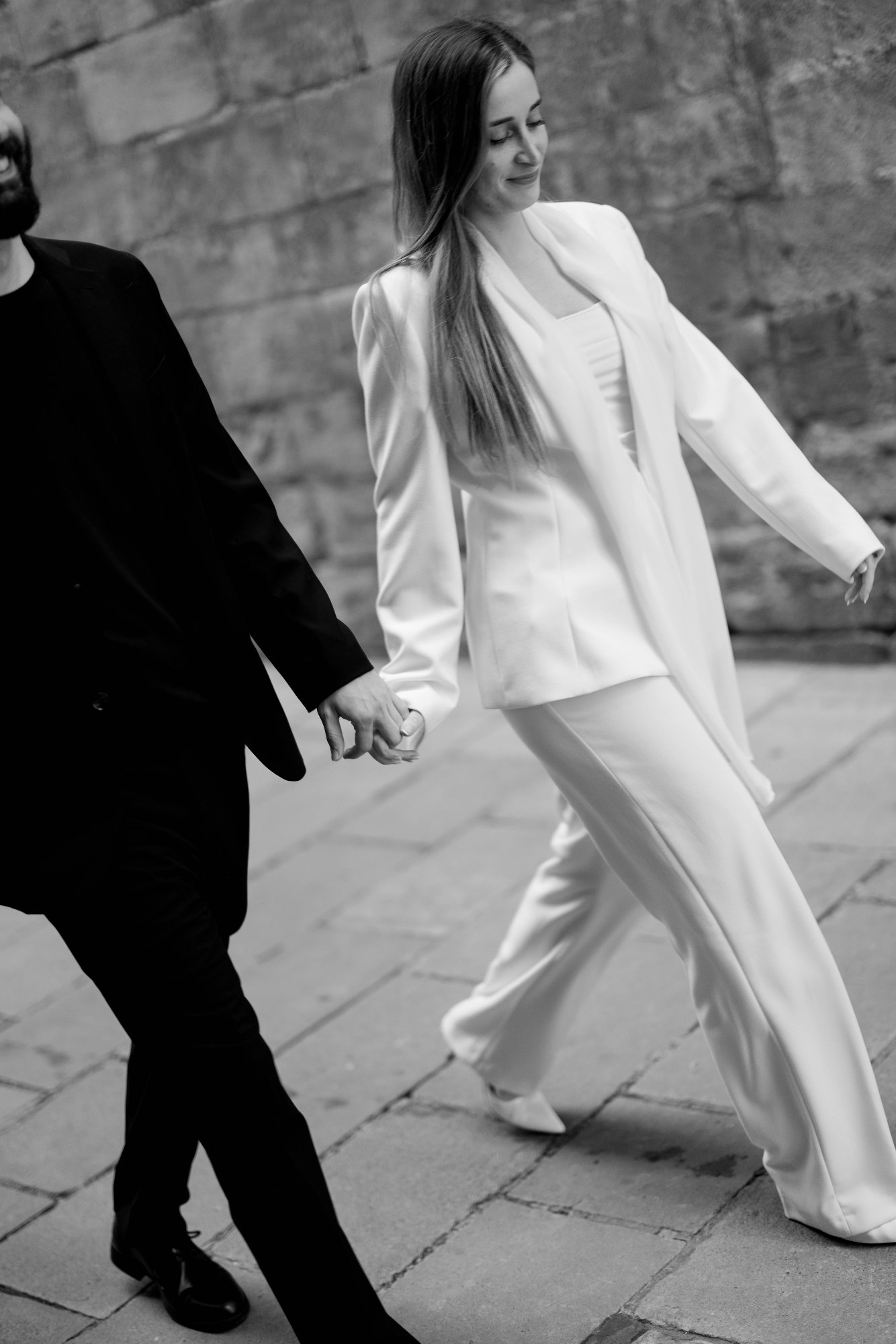
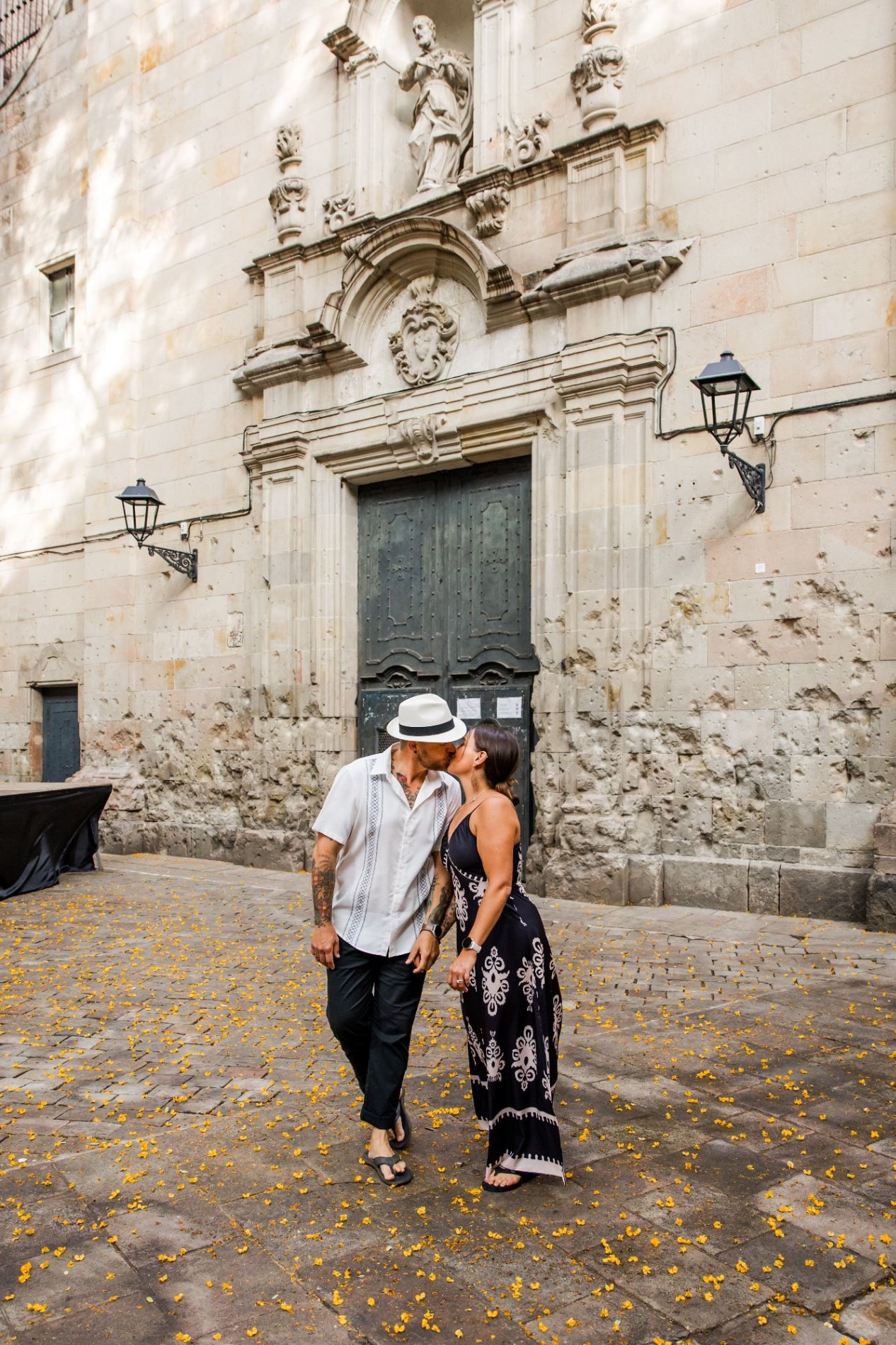
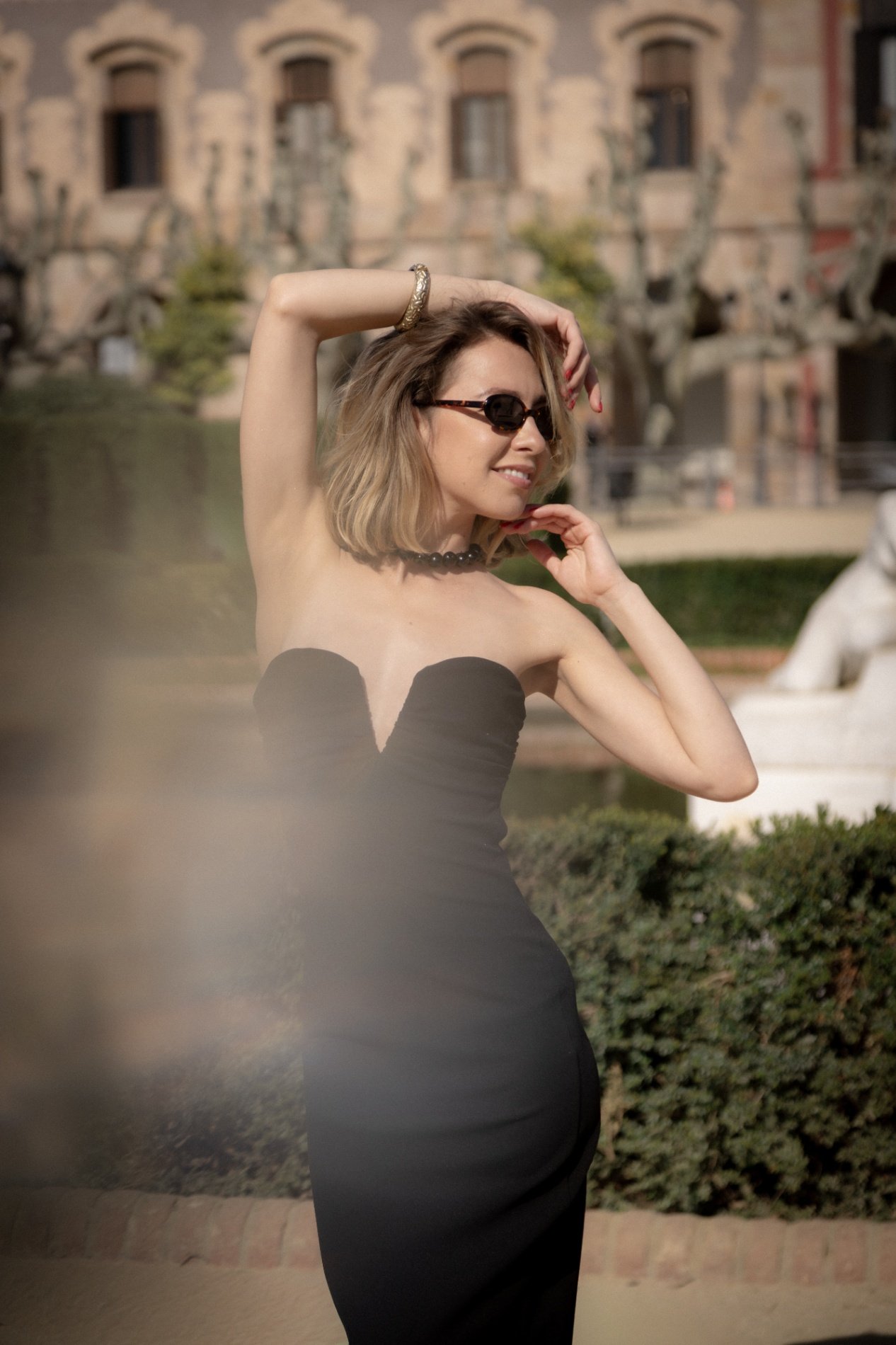
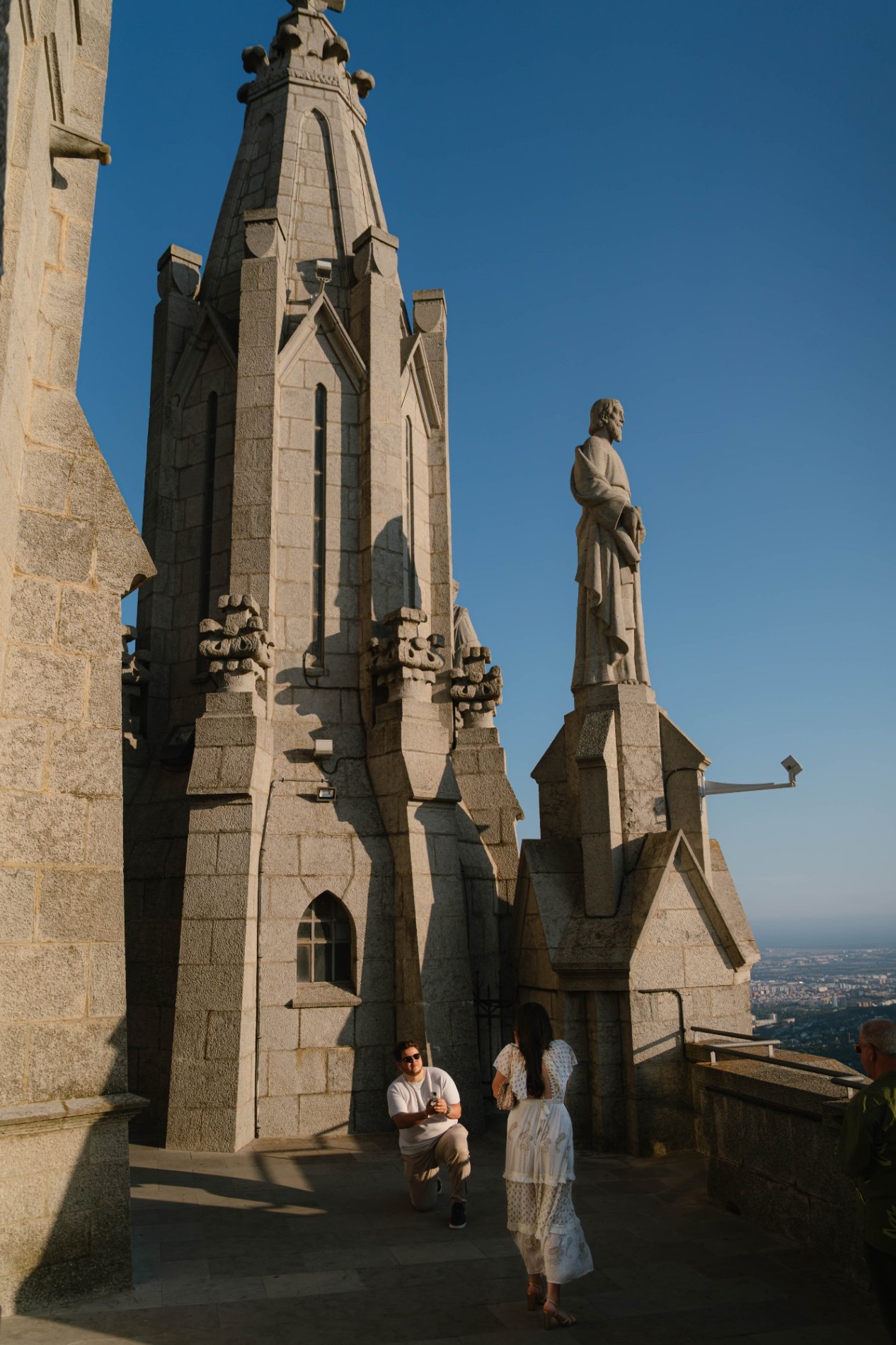
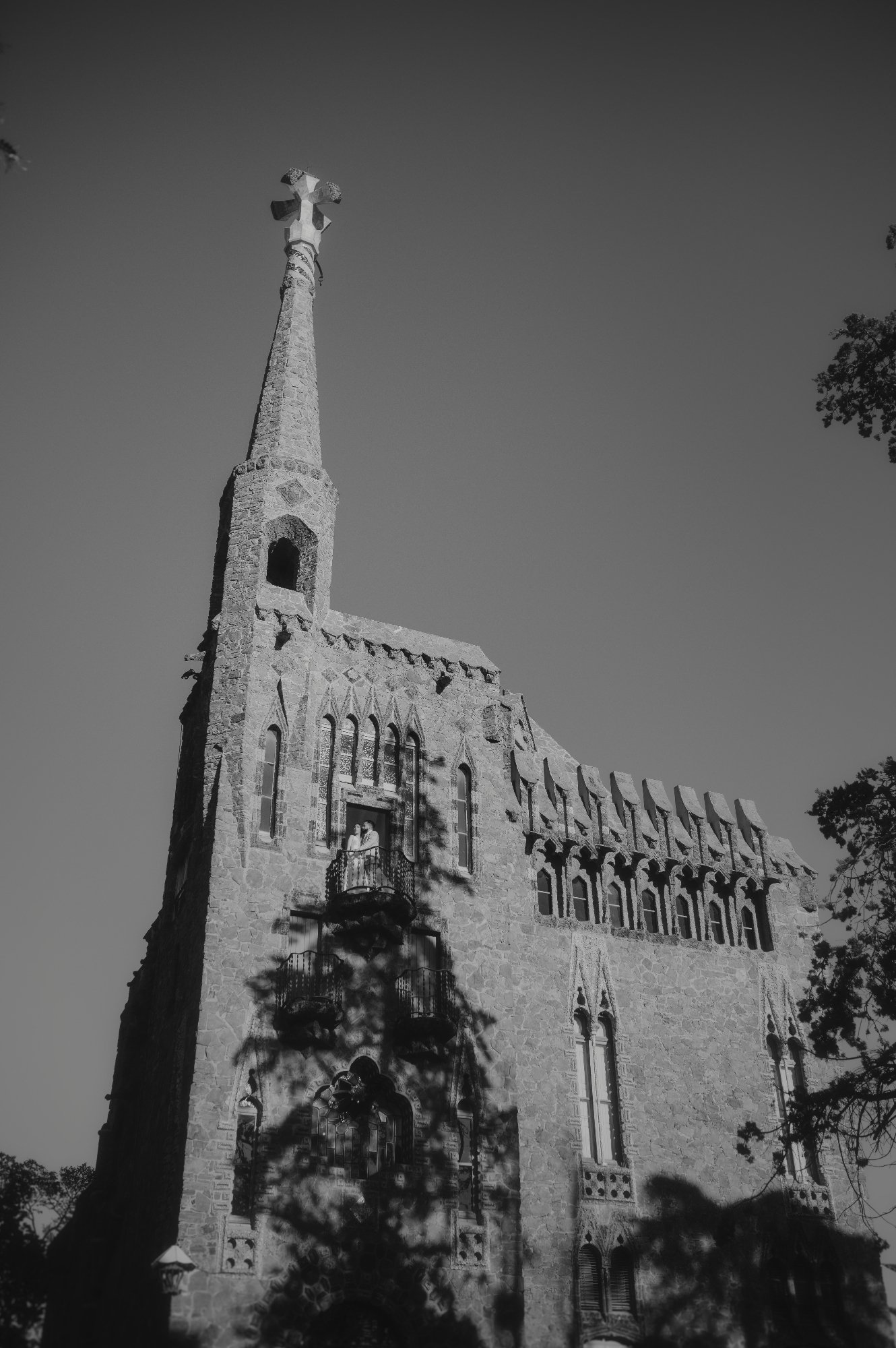
1. Park Güell — the mosaic terrace
The serpentine bench and the broken-tile mosaics are the shot most people picture when they think of Gaudí. Two practical things to know before you build a session around it.
First, the terrace sits inside the Monumental Zone, which is ticketed with timed entry. You book a slot, you enter in that slot, and you cannot drift in at golden hour on a whim. The surrounding parkland is free and has its own pine-and-viaduct character, but the mosaics are behind the gate.
Second, the terrace looks out roughly south over the city. Midday puts hard light straight down onto white mosaic and blows it out. Late afternoon is much kinder — the tiles keep their blue and ochre instead of turning into glare.
Read more on the Park Güell terrace spot page.
2. Bunkers del Carmel — the whole city at once
An anti-aircraft battery from the Civil War, now a flat concrete platform on a hill with an uninterrupted 360-degree view. It is free, it is unstaffed, and it is the single best place in the city to put the entire skyline behind two people.
The catch is that everyone knows this. Sunset draws a crowd that sits on the concrete with beers. Sunrise is a completely different location — the same view, the same light quality, almost nobody there. If you are willing to be up early, this is the highest-value hour in Barcelona.
Bring water and expect no shade or facilities.
3. Carrer del Bisbe — the Gothic Quarter bridge
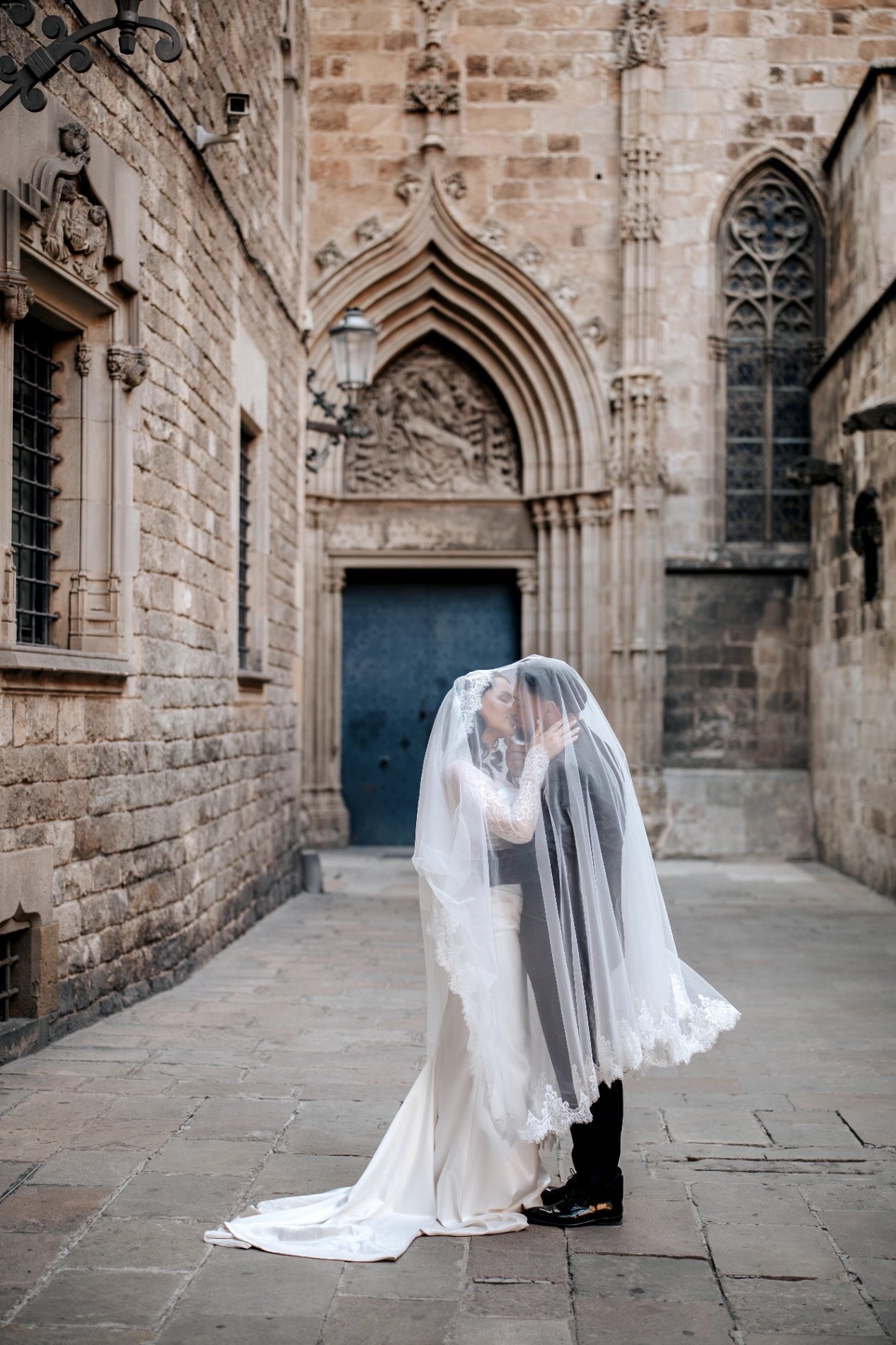
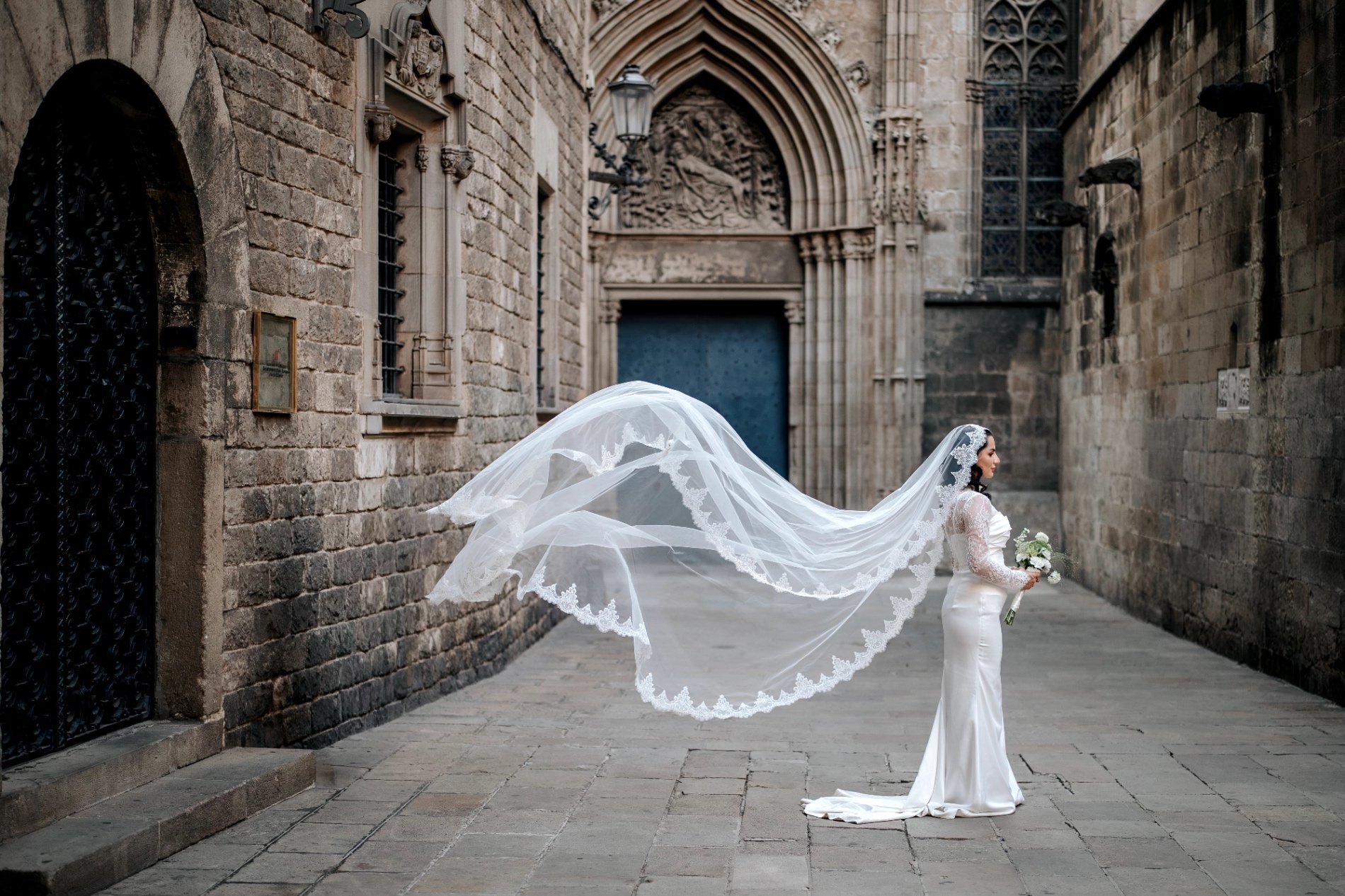
The carved stone bridge crossing the lane is the most photographed detail in the Gothic Quarter. A small piece of trivia that helps you frame it honestly: it is not medieval. It was added in 1928, in the run-up to the 1929 International Exposition, in a neo-Gothic style designed to match its surroundings. It matches so well that almost nobody notices.
Because the lane is narrow and high-walled, direct sun almost never reaches the floor. That is the point — you are working with soft bounced light most of the day, which makes this one of the few spots that does not collapse at noon. Early morning gives you the lane without a queue of people standing under the bridge.
4. Barceloneta — beach and boardwalk
The city beach faces roughly southeast, which has one consequence worth planning around: the sun rises over the water and sets behind the city. If you want light coming off the sea, you want sunrise. At sunset you get a warm glow on the buildings and a flatter sea, which is a different and perfectly good photo — just not the one people usually have in mind.
The boardwalk gives you palms, railings and a long clean line to work along when the sand is busy.
5. Sagrada Família from the pond
The classic reflection shot is taken from Plaça de Gaudí, the small park with the pond on the northeast side. The towers reflect in the water and you get the whole facade in frame without a wide-angle distortion problem.
This is a location that lives or dies on timing. By mid-morning the park is full of tour groups doing exactly the same thing. First light is quiet and the towers catch warm colour on the east side.
What clients say about this kind of shoot
When we were thinking of Andreu and Aleksandra as our wedding photographers, what we liked was that their photos weren't just a keepsake of the day, but told a story. We could see that a lot of their photos had life and personality, that they were bold, and that's exactly what we found in our own session too. There are moving photos, fun ones, others that are simply gorgeous and some that are really crazy. Simply wonderful, really. All in all, we're thrilled.
— Pere C. on Andreu D.
The work Martino did was magnificent! We LOVED the photos he took of us at Lake Braies❤️ 🤩!. He was also very kind and attentive throughout the whole process, from the first contact to the day of the proposal, always in touch, taking care of every detail of the light so that everything turned out perfect. It was a wonderful experience! His services are highly recommended. Thank you Martino 🫰🏽!
— Rogelio R. on Martino B.
Jordi did a spectacular job. What a great decision it was to write to him! As someone who works in the industry, I've rarely seen such polished work and such a critical eye for capturing every detail. A 10, truly. ❤️
— Samuel O. on Jordi I.
Met coincidentally at Lake Braise, and offered to take some shots for my partner and I! Photos were amazing!!
— Timothee on Martino B.
Excellent photo shoot with Edgar, he put us at ease and made sure we had an exceptional time. The photos are of excellent quality and capture the emotions created during the shoot very well.
— Valentin B. on Edgar Z.
Andreu and Aleksandra are fantastic! Thanks to their photographs we can feel ourselves going back to the emotion of that day and witness how our guests experienced it, completely naturally. They're brilliant at capturing the essence of the moment, of the expression, of the emotion... A truly great choice.
— Míriam R. on Andreu D.
6. Montjuïc and the Palau Nacional
Broad stairs, a monumental facade, and the city dropping away behind you. It gives a session a formal, cinematic register that the narrow old-town lanes cannot. Useful when you want variety in a single set — twenty minutes here reads completely differently from twenty minutes in the Gothic Quarter.
The elevated position also means you are shooting with open sky, so it holds up well in overcast weather that would flatten a beach.
7. Parc de la Ciutadella
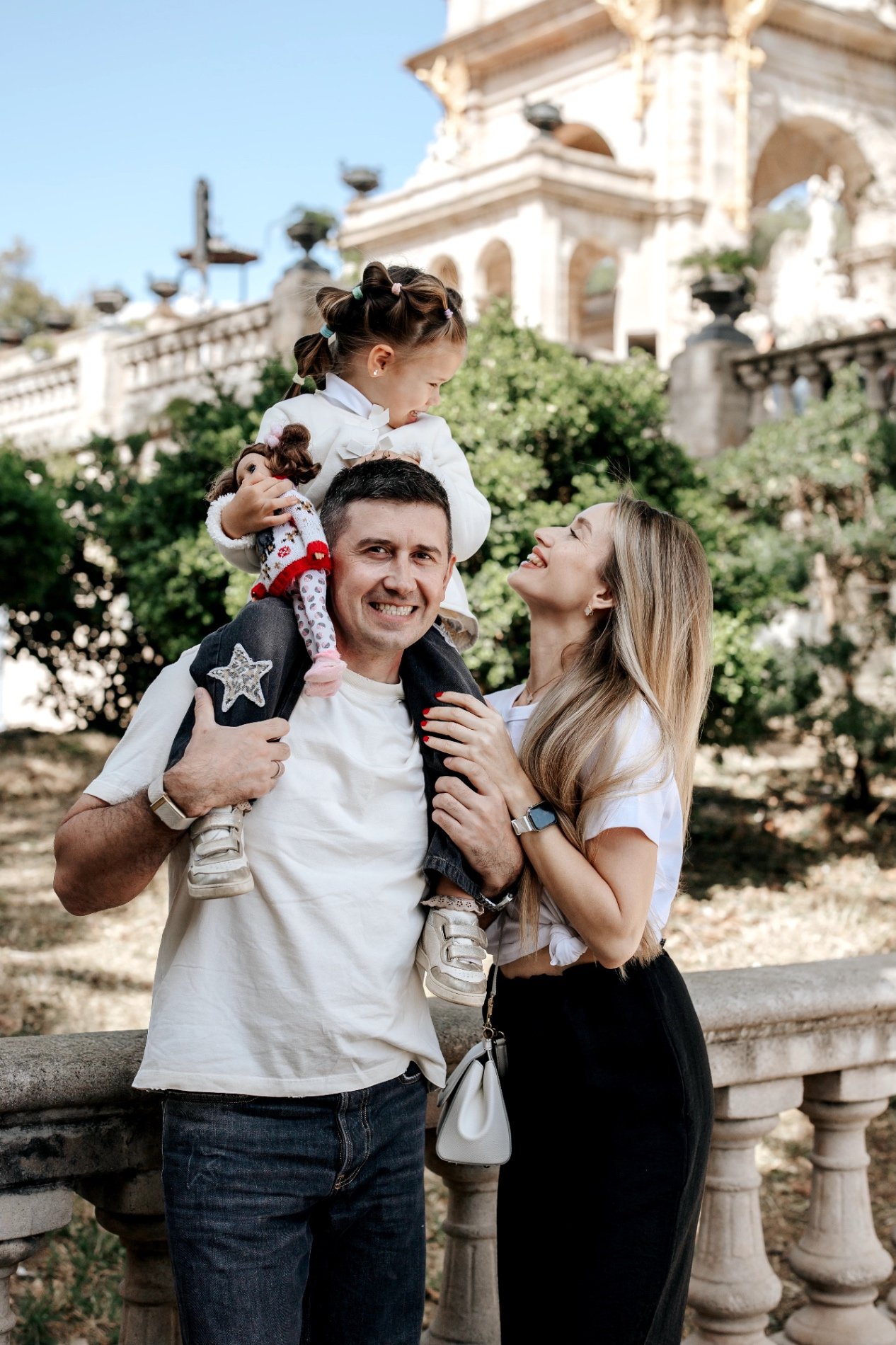
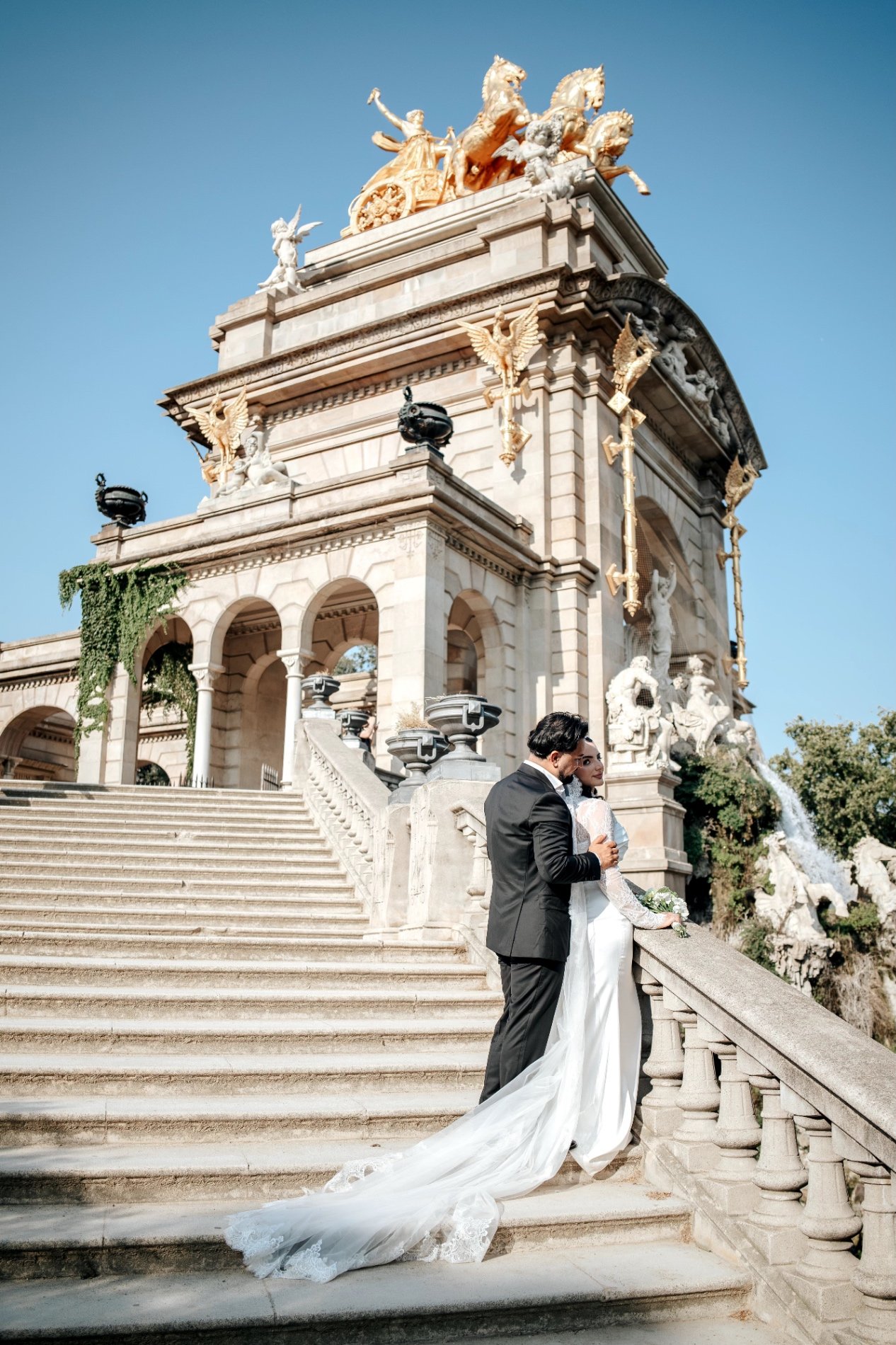
Green, shaded, and built around a monumental cascade fountain. Its real value is as a midday location: when everywhere else is blown out by hard overhead sun, the tree cover here gives you usable soft light for a couple of hours in the middle of the day.
Good for families, because children can move around without a road nearby.
8. Passeig de Gràcia facades
Casa Batlló and La Pedrera from the street. Extremely recognisable, extremely busy. This works as a short stop rather than a base — ten minutes early in the morning, before the pavement fills, and then move on.
How to actually sequence these
The mistake is picking four favourites off a list and hoping they connect. They rarely do. A session that works usually follows the light rather than the map:
- Sunrise: Bunkers del Carmel, or Barceloneta if you want the sea lit.
- Morning: Gothic Quarter lanes and Carrer del Bisbe, then Sagrada Família if it is on the way.
- Midday: Ciutadella, or stop and have lunch — this is genuinely the worst light of the day.
- Late afternoon: Park Güell, if you have a Monumental Zone slot.
- Golden hour: Montjuïc, or back to the beach.
One more thing worth internalising: Spain sits on Central European Time despite being geographically far west, so sunset is very late in summer — around 21:25 in Barcelona in June, against roughly 17:20 in December. A "golden hour session" in July is an evening plan, not an afternoon one, and that changes what you do with the rest of the day.
If you would rather not plan the route yourself, the photographers on Photo Spain who cover Barcelona do this weekly and will build the sequence around your date, your light and how far you are willing to walk.
Frequently asked questions
Which Barcelona locations work in the middle of the day?
Parc de la Ciutadella, where tree cover gives usable soft light for a couple of hours when everywhere else is blown out, and Carrer del Bisbe in the Gothic Quarter, where the narrow, high-walled lane means direct sun almost never reaches the floor. Montjuïc's open sky also holds up in overcast weather that would flatten a beach. Otherwise midday is genuinely the worst light of the day — stop and have lunch.
When is the best time to photograph the Sagrada Família?
First light, from Plaça de Gaudí — the small park with the pond on the northeast side, where the towers reflect in the water and the whole facade fits in frame without wide-angle distortion. The towers catch warm colour on the east side early, and by mid-morning the park is full of tour groups doing exactly the same thing.
What time does golden hour fall in Barcelona?
Later than most visitors expect: Spain sits on Central European Time despite being geographically far west, so sunset is around 21:25 in June against roughly 17:20 in December. A "golden hour session" in July is an evening plan, not an afternoon one. For the sea lit by the sun you want sunrise, because the beach faces southeast and the sun sets behind the city.
Want professional photos in Barcelona?
Browse portfolios, compare packages, and book a verified local photographer in minutes.