Photographing the Costa Brava: Coves, Pines and a Cathedral Stairway
The Costa Brava starts about an hour north of Barcelona and looks nothing like the beaches most people picture when they think of the Spanish coast. No long flat sand — instead a cliff coastline broken into small coves, with pine coming right down to the water.
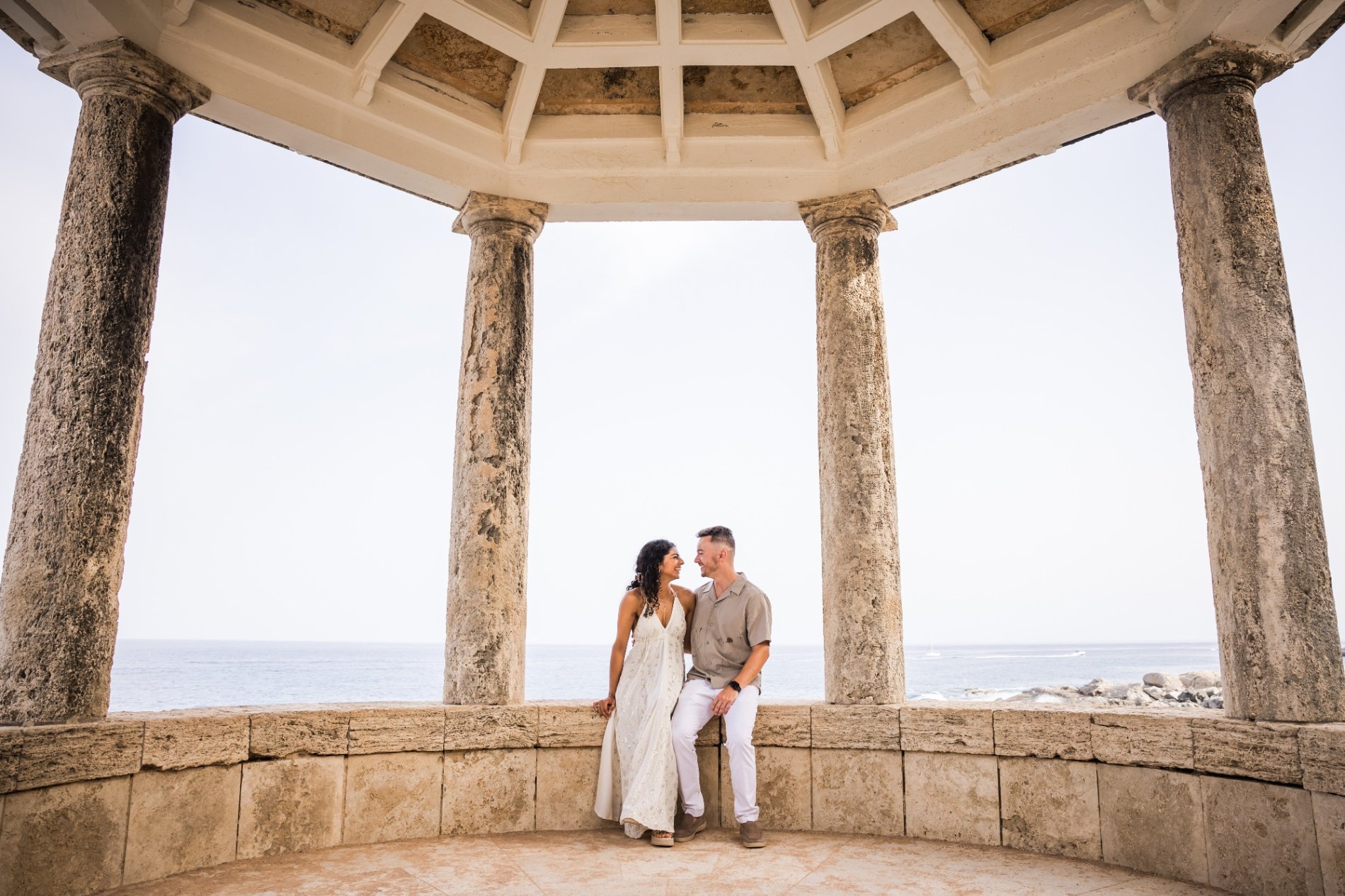
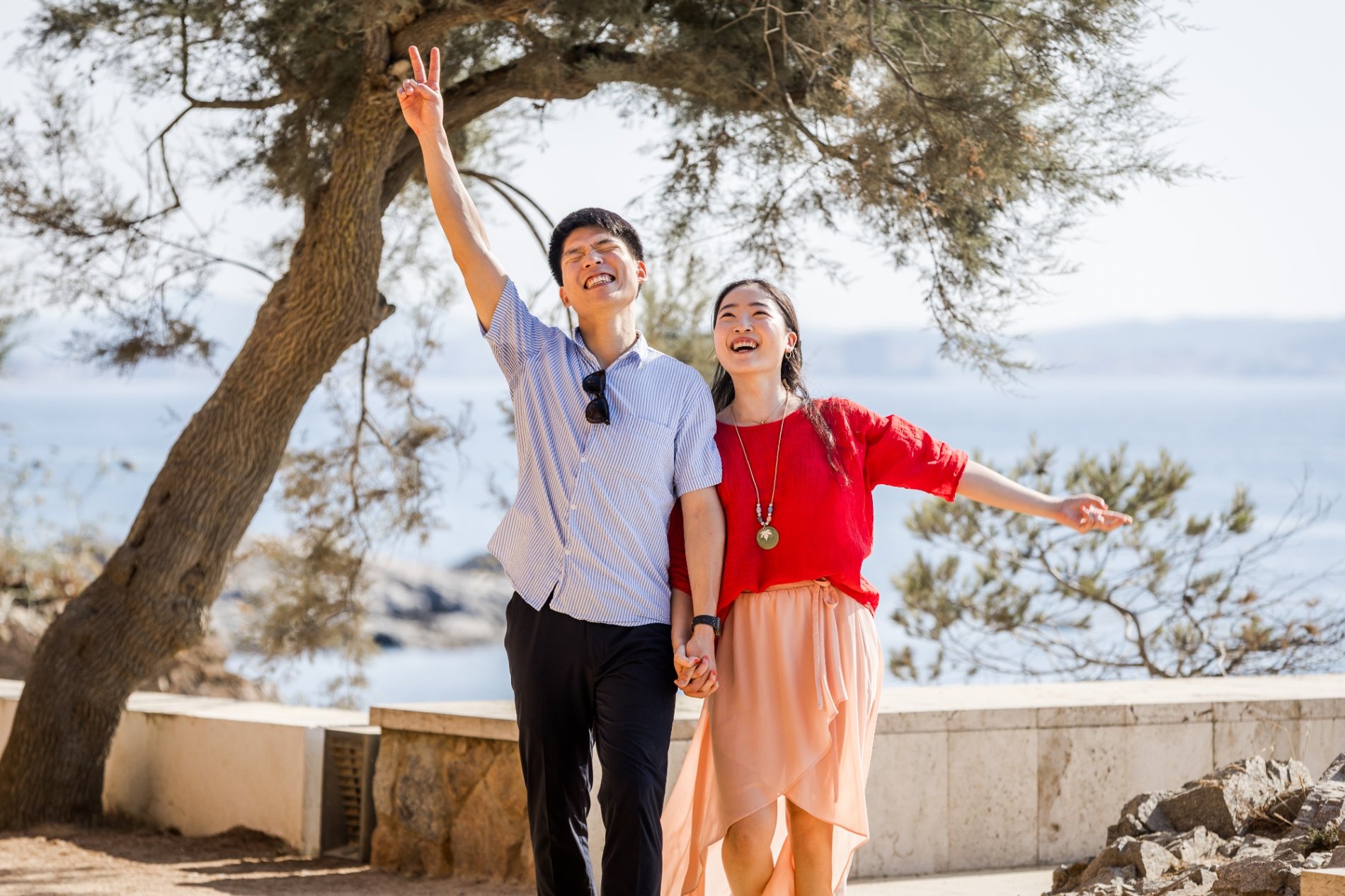
For photographs that difference matters: the coves are small, so the frames are close and intimate rather than sweeping, and the pines put green into pictures that would otherwise be only blue and gold.
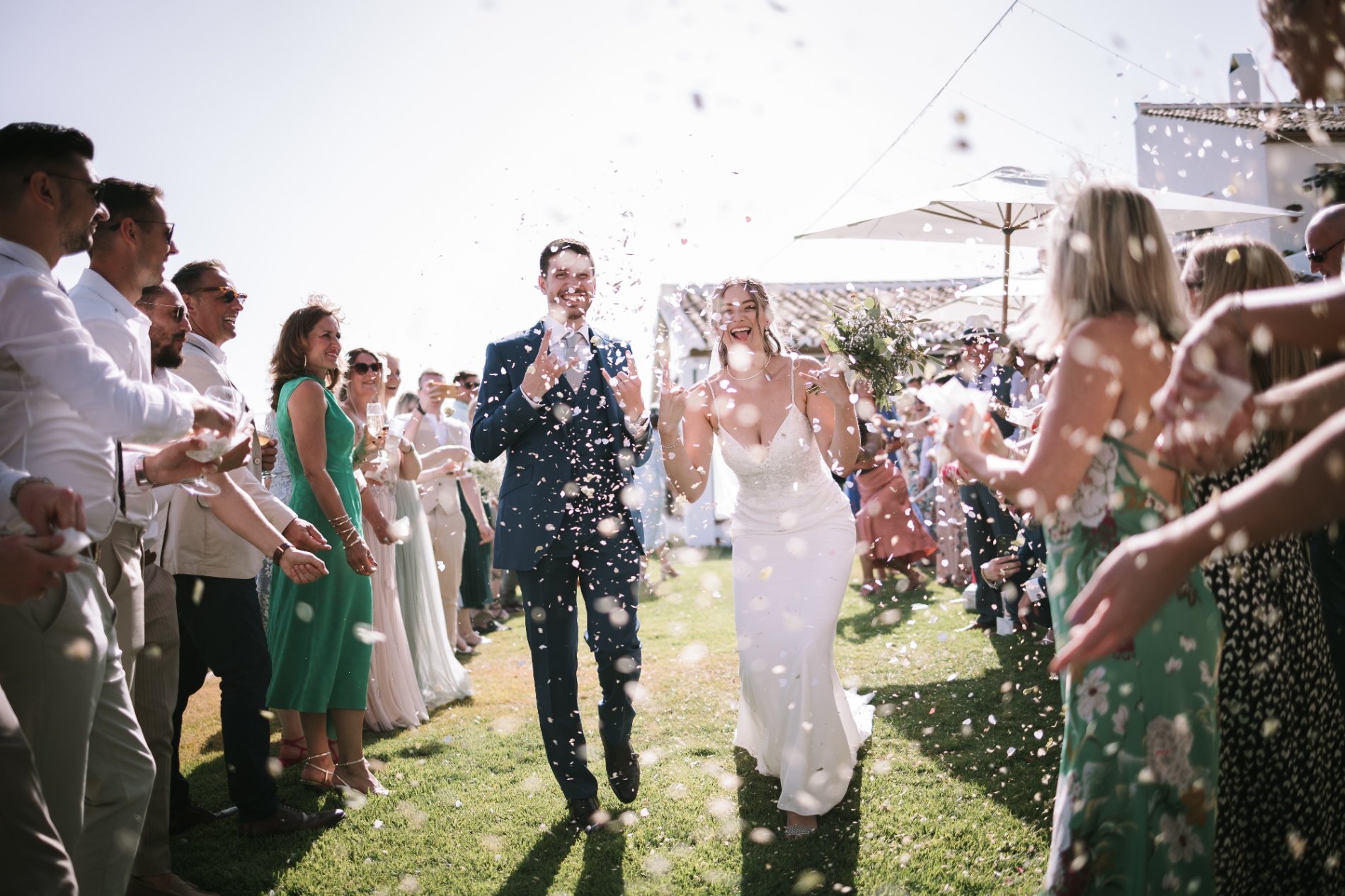
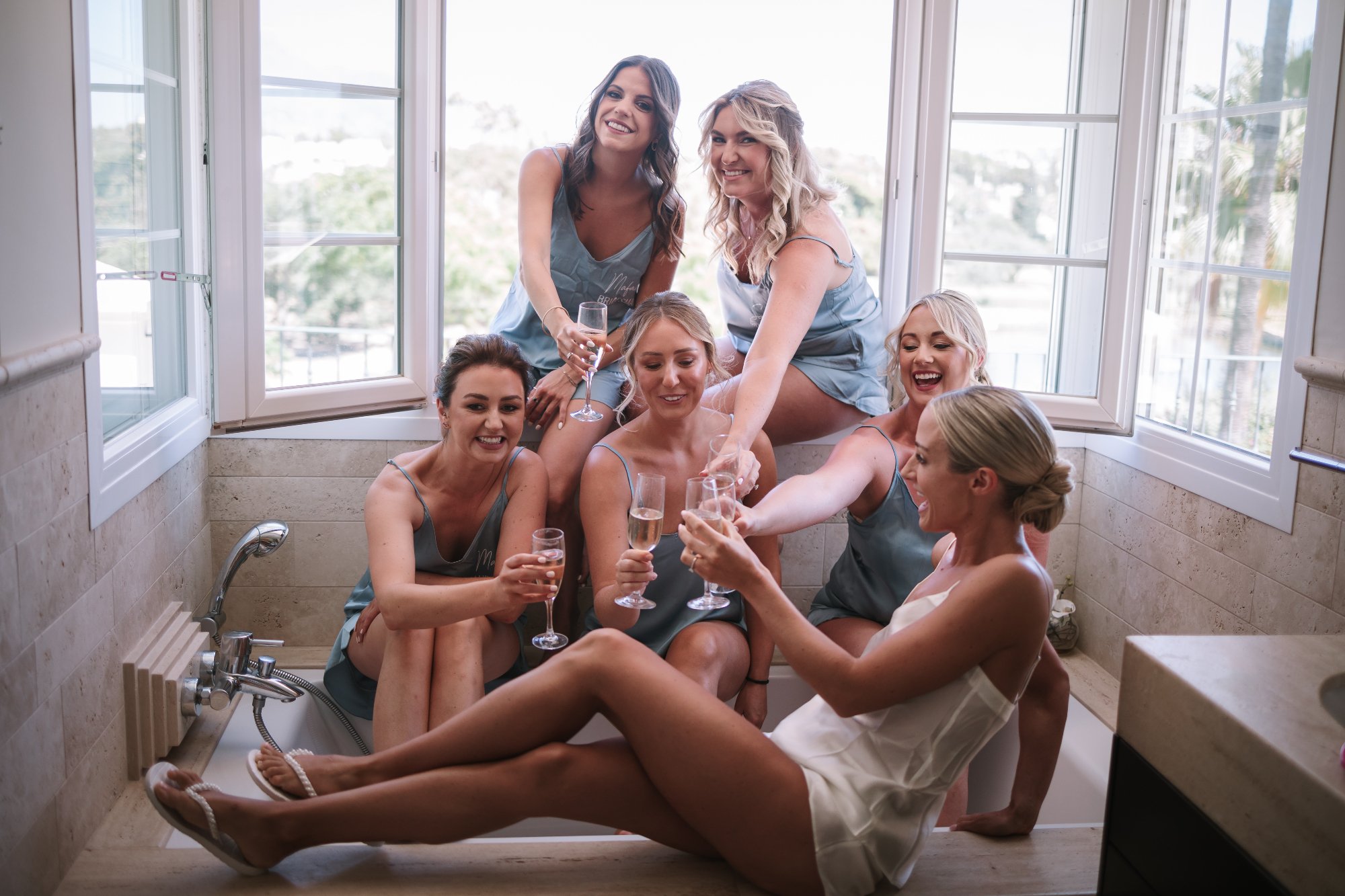
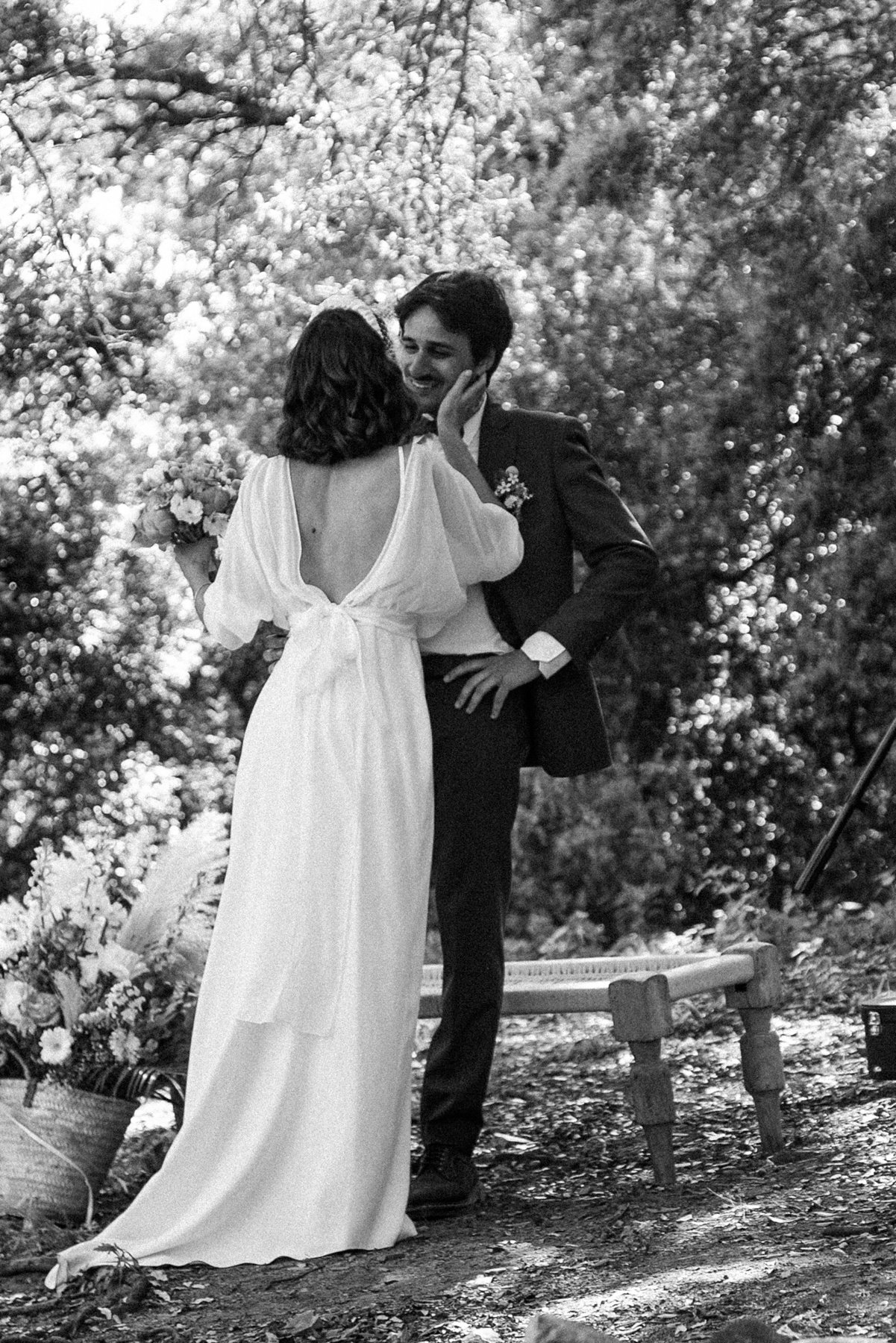
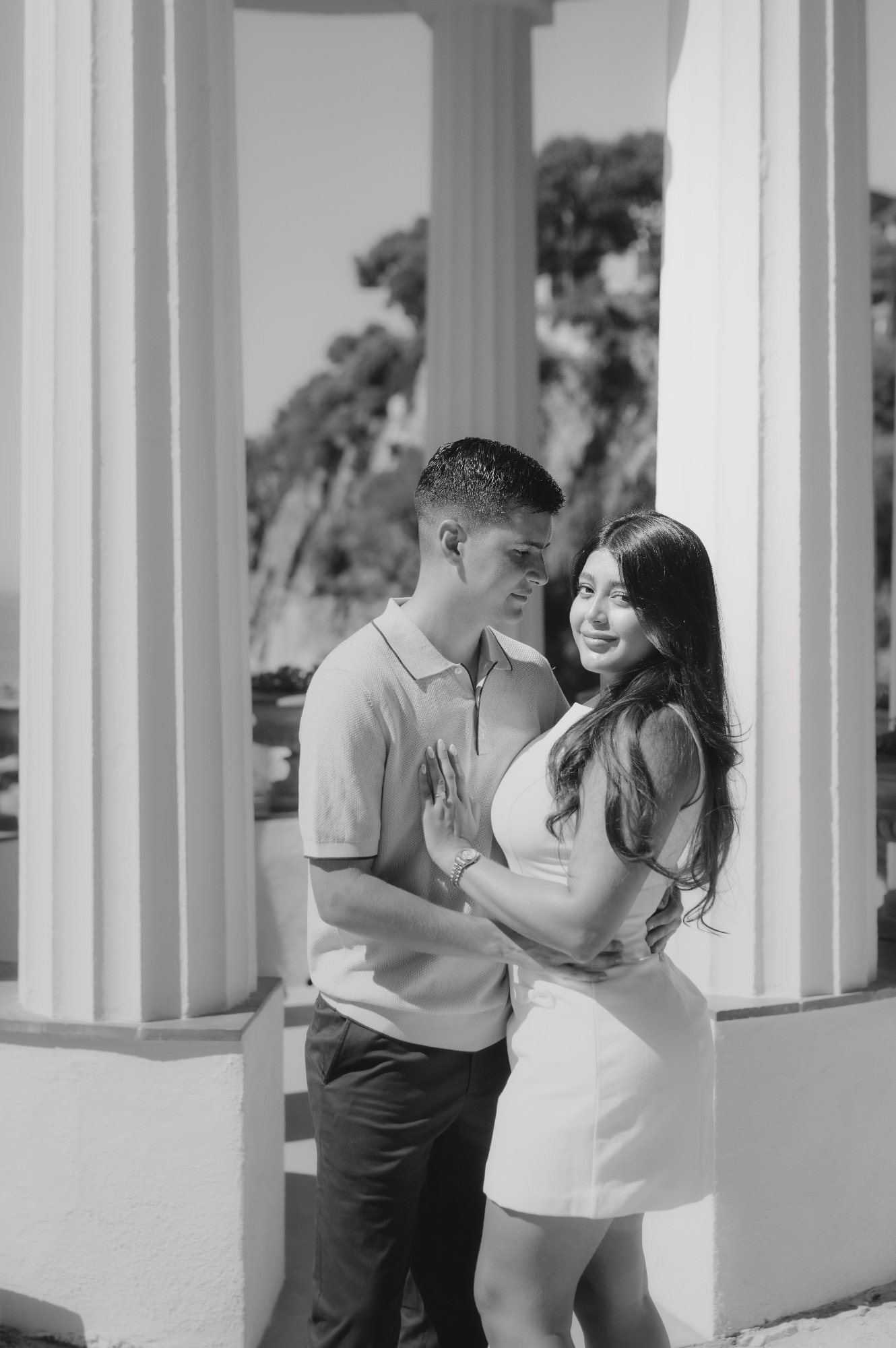
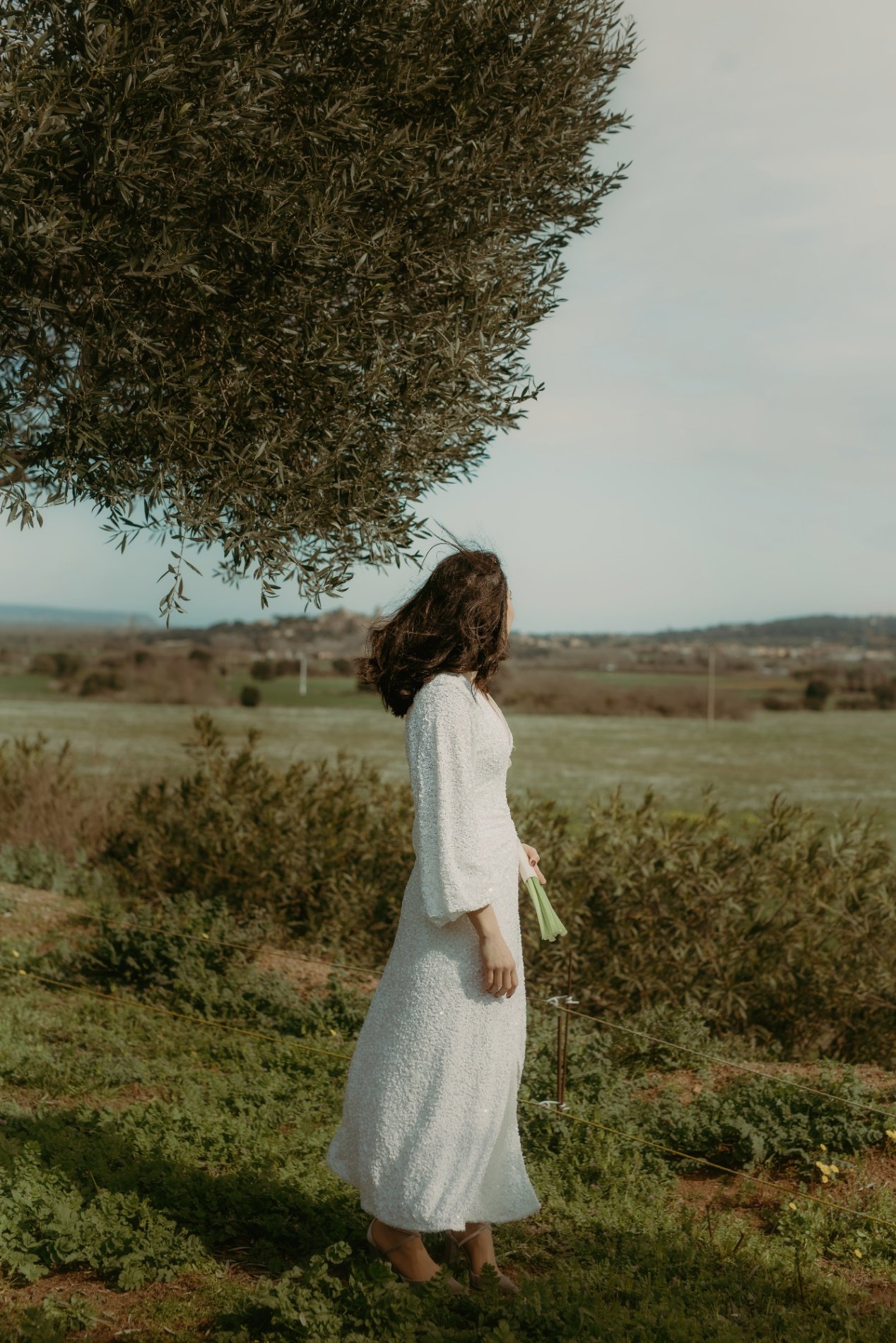
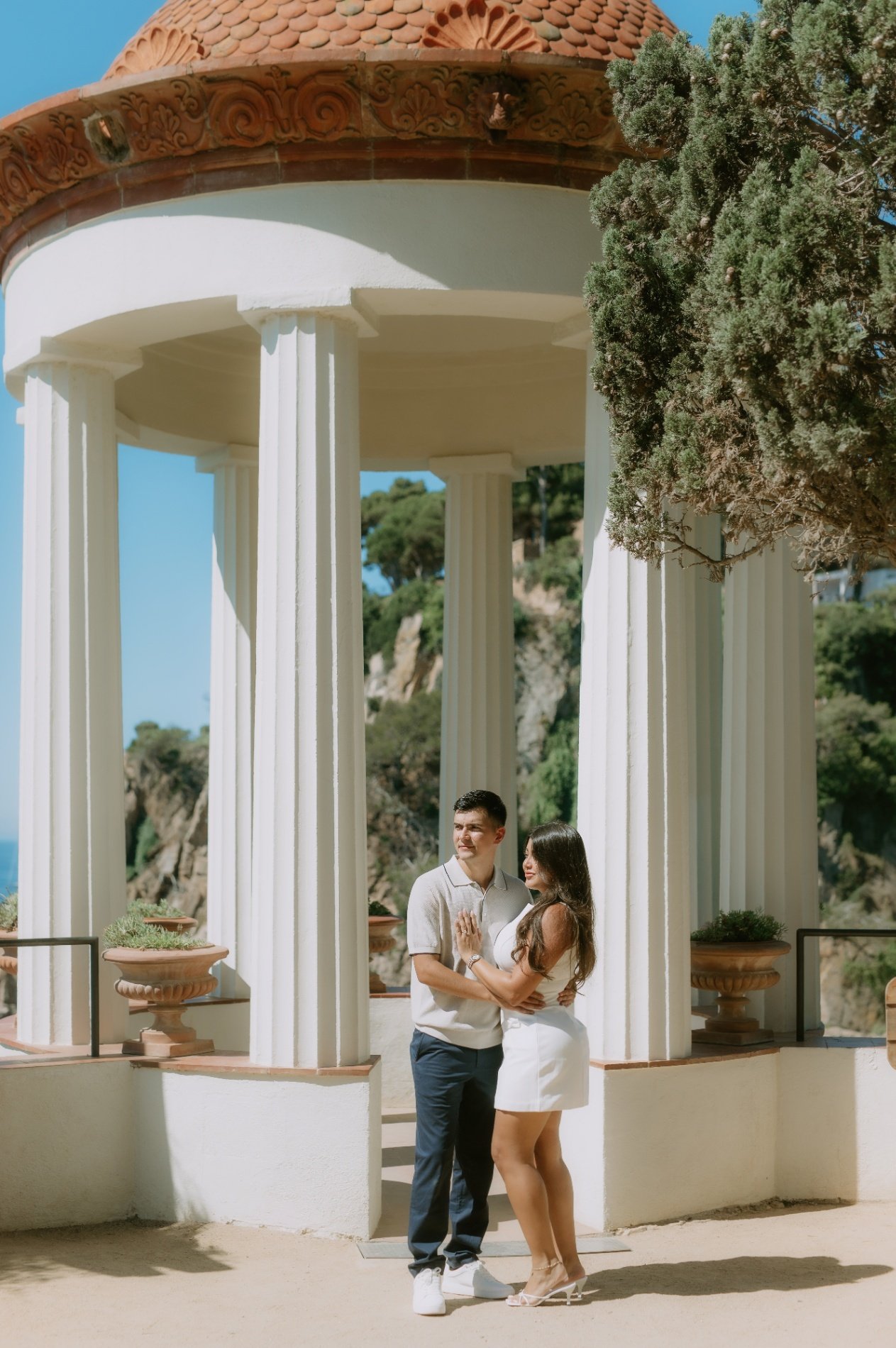
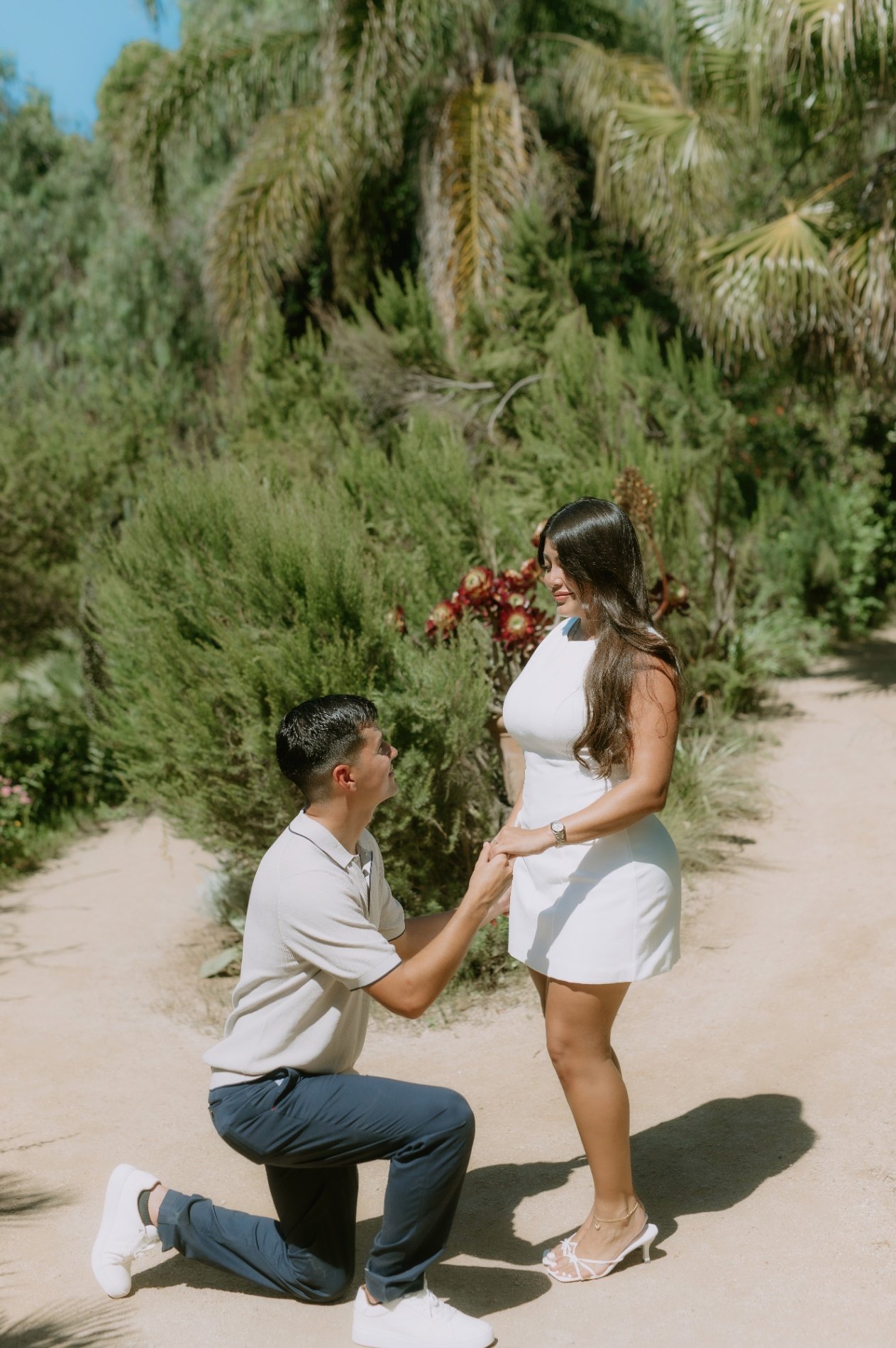
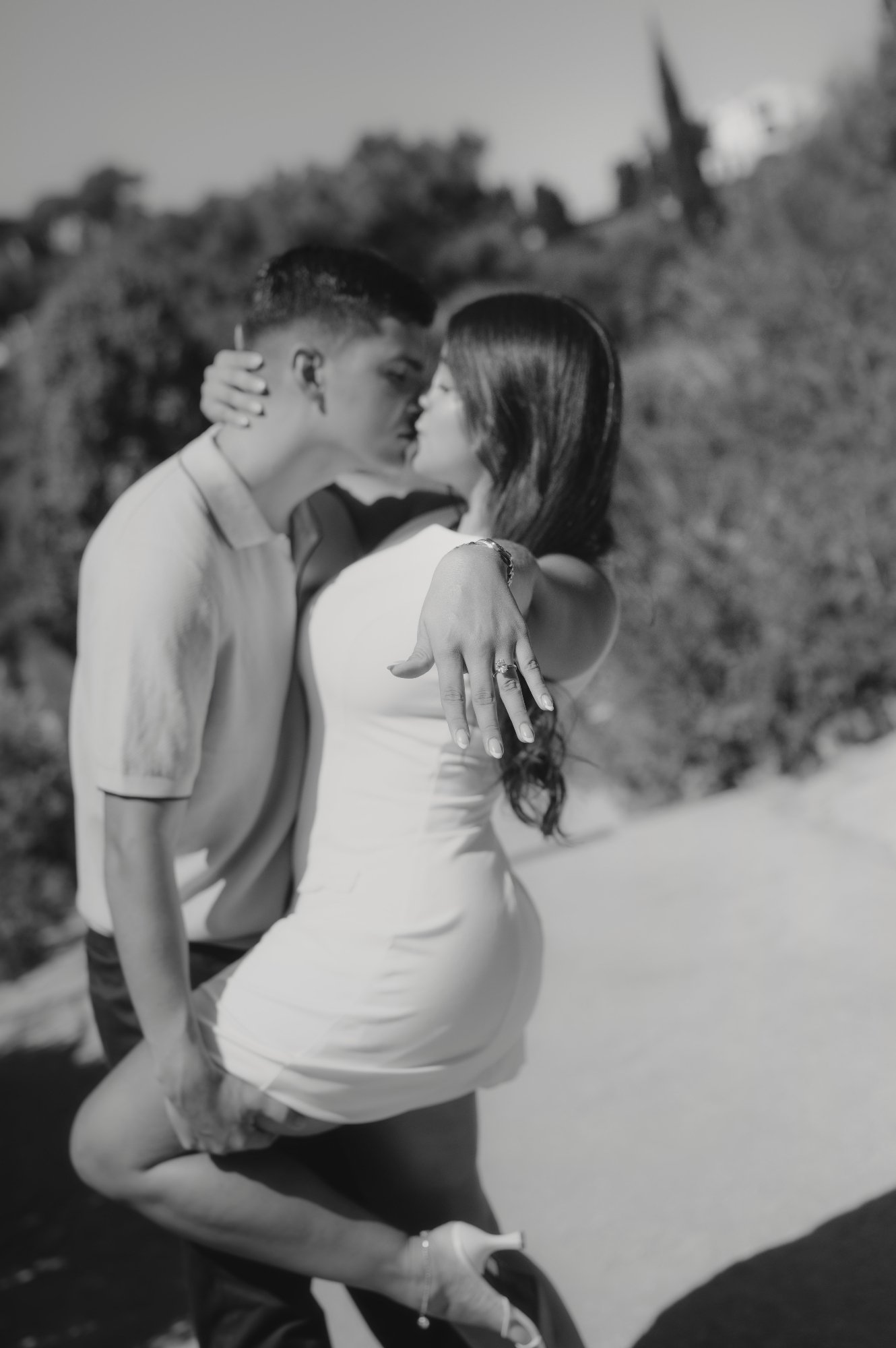
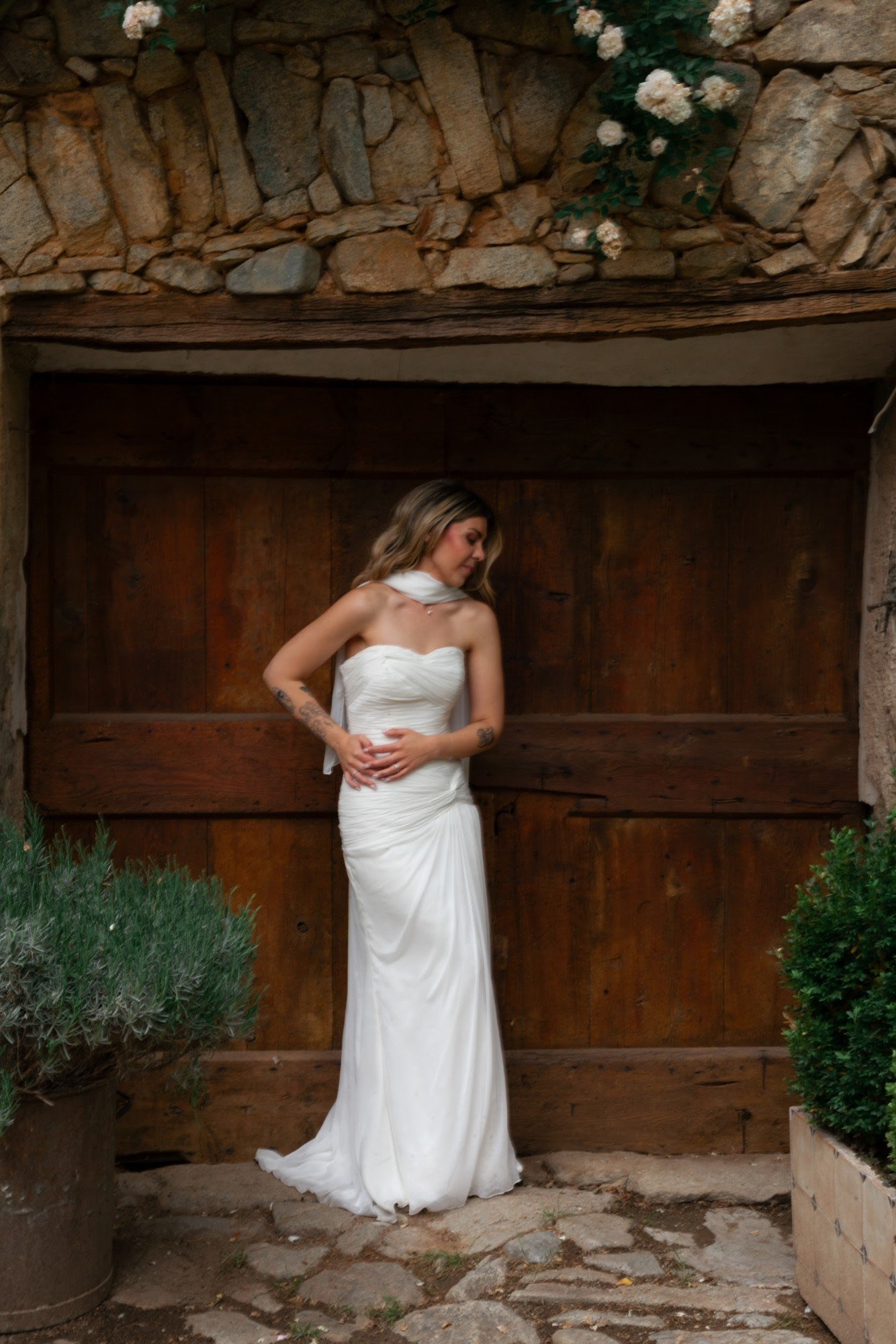
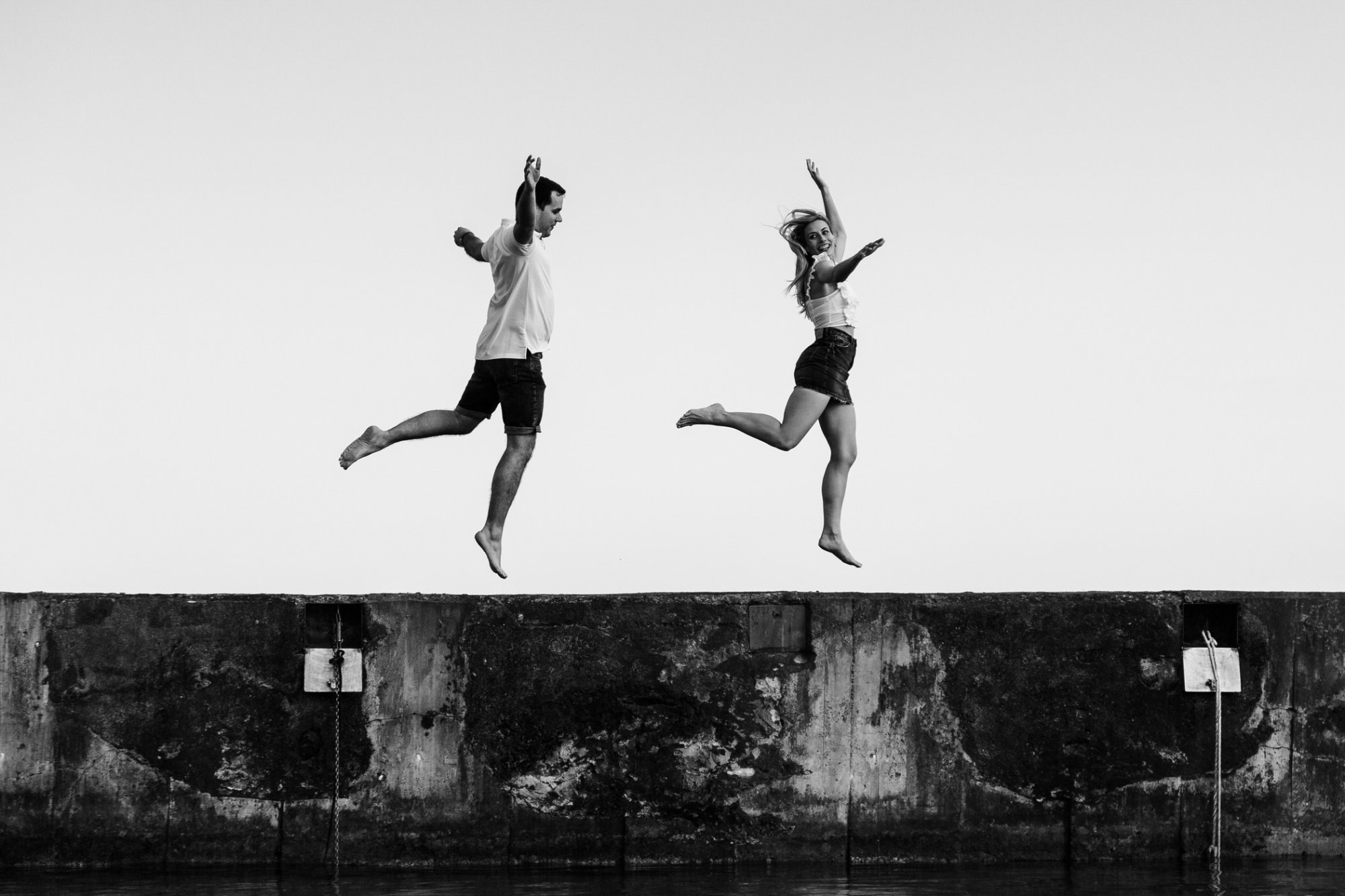
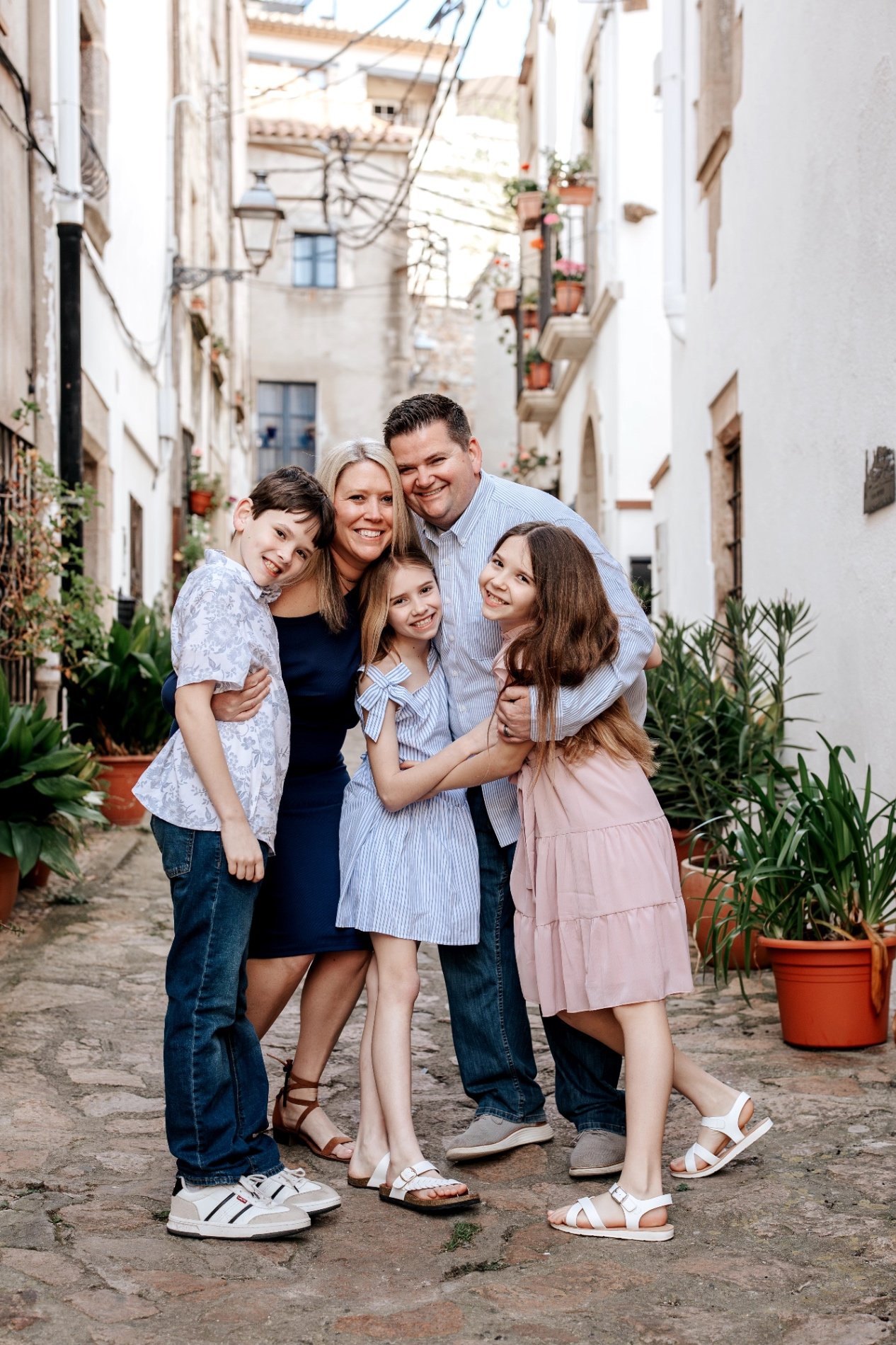
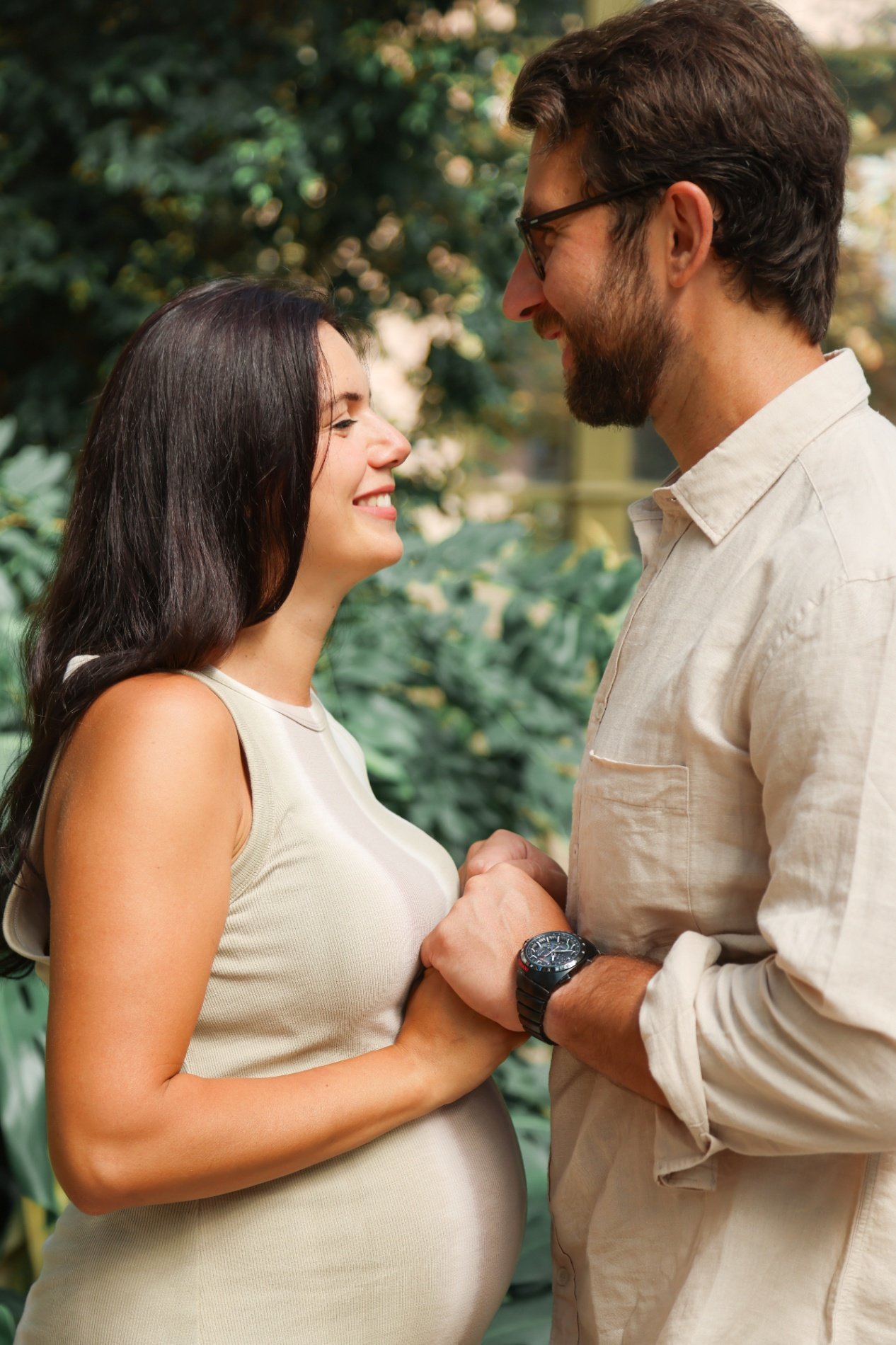
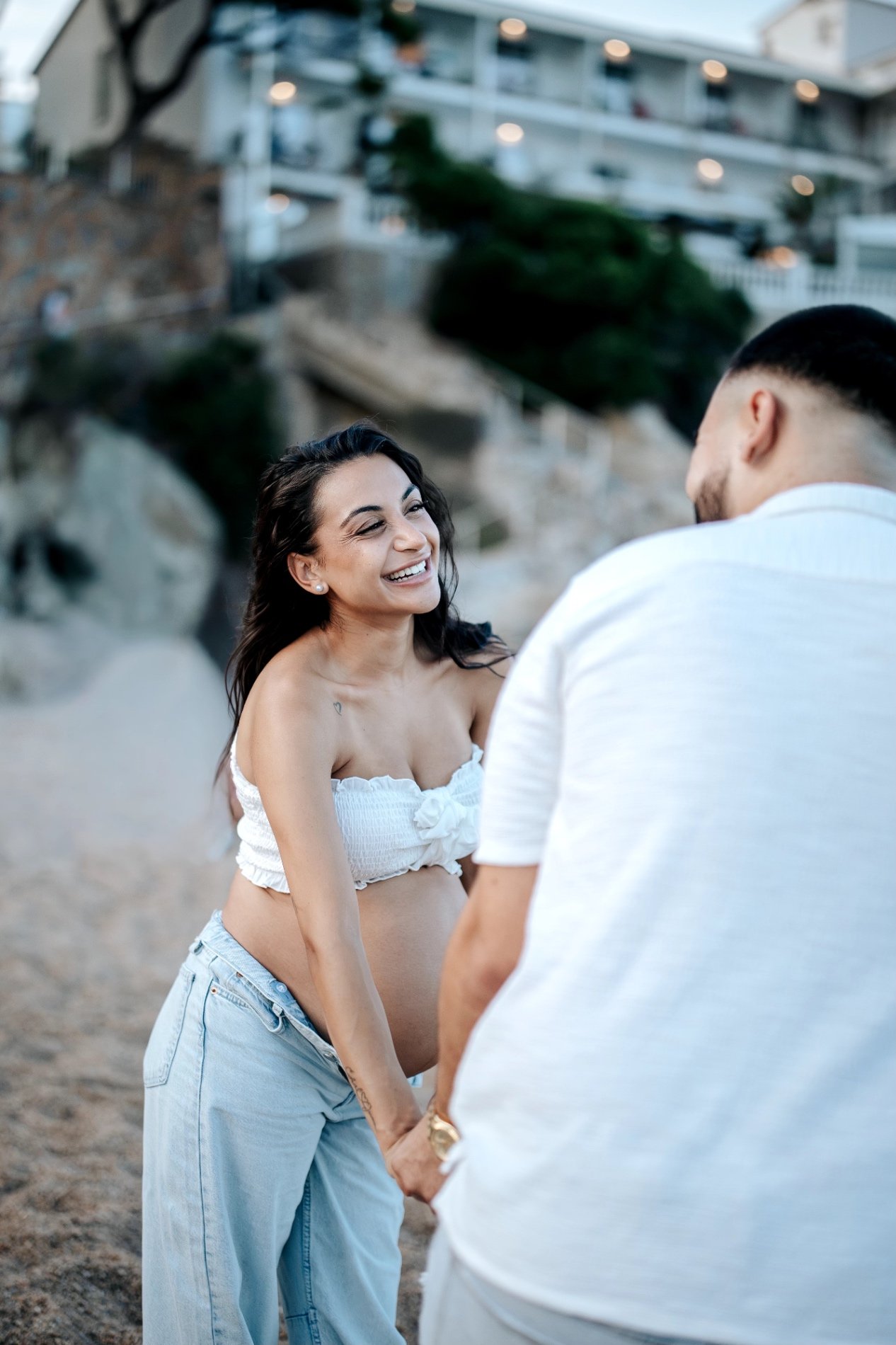
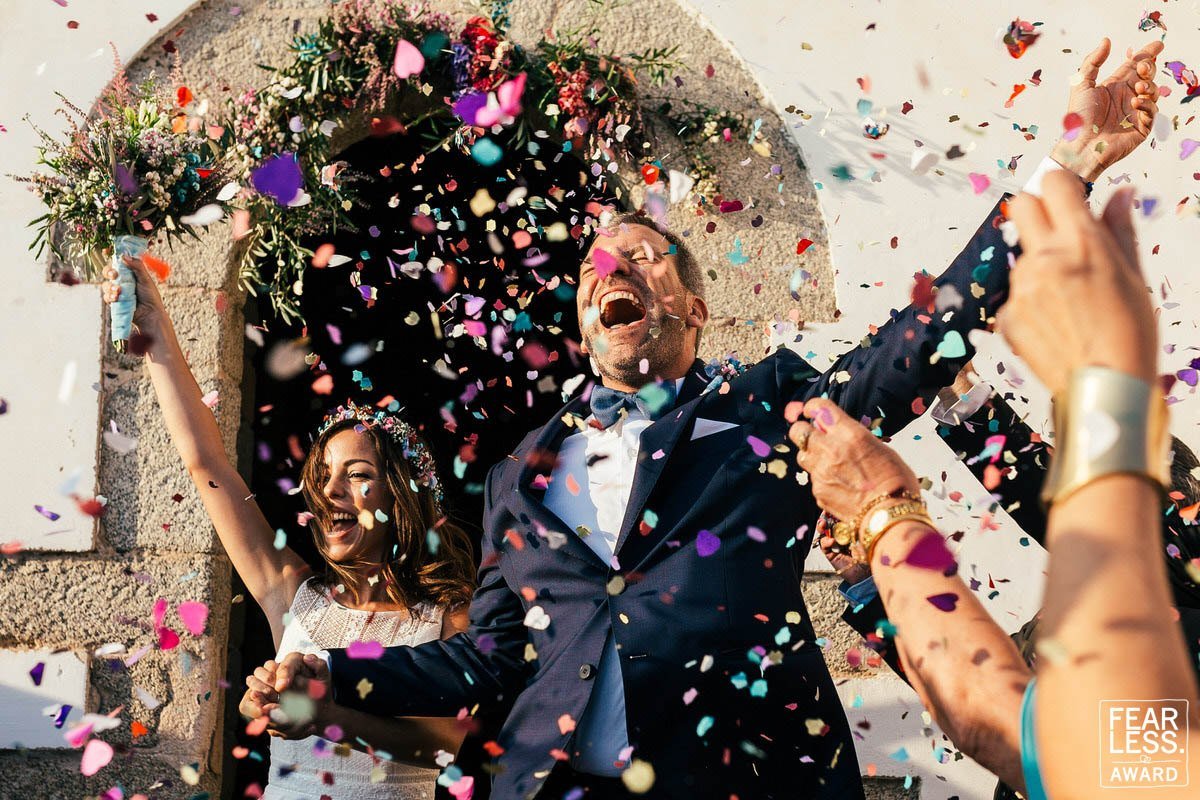
Real shots from Costa Brava
Cadaqués — the whitest place on the coast
Reached over a mountain pass and cut off from everything else, which is why it still looks like itself. White houses stacked around a bay of dark rock, black-and-white pebble streets, and boats pulled up on the shingle.
The whiteness is the technical point. It bounces light back up into faces, so this is one of very few coastal locations that works in the middle of the day rather than only at the ends of it. Dalí lived in the next cove at Portlligat, and the landscape he kept painting is the one you will be standing in.
The road in is slow and the village is small. It rewards half a day rather than a stop.
Tossa de Mar and the Camí de Ronda
The Vila Vella is the only fortified medieval town still standing on the Catalan coast: stone walls and round towers on a headland dropping straight into the sea, with the beach curving below.
What makes Tossa a session rather than a photograph is the Camí de Ronda, the coastal path running along the cliffs in both directions. Twenty minutes on foot and you are at small coves with pines down to the water and nobody else in them.
The walls take warm light late in the day, and the path faces east or west depending which way you walk — so you choose your light by choosing your direction.
Girona, inland
Thirty-eight minutes from Barcelona by high-speed train, and it has two images a few minutes apart.
The cathedral: ninety broad steps climbing to a baroque facade, a staircase built to be walked up slowly and one of the most cinematic pieces of architecture in Catalonia — which is why film crews keep using it.
The Onyar: a narrow river through the middle of town with houses built down to the water and painted ochre, red and yellow. The footbridges give you the frame everyone photographs, with the cathedral tower behind the roofline.
Between them is the Call, one of the best-preserved Jewish quarters in Europe — narrow, stepped and shaded through the middle of the day.
What clients say about this kind of shoot
Evgenia was an amazing photographer, she captured our wedding perfectly and gave us so many brilliant photos and memories. I would recommend easily! She made us feel at ease and gave us a number of great tips for better photos.
— Matt Cooper on Evgenia G.
Evgenia is the perfect wedding photographer! She captured some beautiful moments without us even realising she was there! Nothing was too much for her and she is someone who genuinely wants you to love all of your photos (which of course we did!!). Communication has been fantastic and we even received 20 photos the day after the wedding as a little preview, which was not expected but amazing to receive! Would highly recommend Evgenia for any photography!
— Sophie Lees on Evgenia G.
Having Manu as our photographer on our wedding day was one of the best decisions we made. The photos are beautiful and full of emotion, with no forced poses and no clichés. And if you're like us and find posing awkward, Manu will make you feel completely relaxed and you'll genuinely enjoy the experience. Communication was easy the whole way through and everything on his side was perfectly organised. A 10/10 experience!
— Maria Gonzalez on Manuel T.
Evgenia was super responsive and easy to work with. She did a family photo shoot for my extended family, and everybody LOVED the photos. I'm so glad I picked her to work with and highly recommend!
— C. Puder on Evgenia G.
We recently had family photos in Tossa de Mar with Evgenia. We loved our photos so much! Pricing was reasonable and communication was great! Evgenia is a wonderful photographer. I would highly recommend!
— Heather Brown on Evgenia G.
Manu was really a pleasure to work with. Very good communication and preparation for our big day. On the day of the wedding he was also doing a perfect job, capturing the best moments and guiding us through the poses without asking too much attention. And the final result was stunning.
— Thomas Janssens on Manuel T.
How it differs from the Balearics
People choosing a Catalan coast trip are often also considering Mallorca. The honest comparison:
The Costa Brava is closer to Barcelona, cheaper, quieter in season, and greener — pine rather than olive. The coves are smaller and the frames more intimate.
Mallorca has mountains. The Tramuntana puts peaks and sea in the same photograph, which the Costa Brava cannot do. It is also busier and more expensive in season.
If the trip is about the coast itself, the Costa Brava. If it is about scale and drama, Mallorca.
Practical notes
The coves are public and small. A session in one usually means very early or very late, and someone checking access rules beforehand.
The Camí de Ronda is a real footpath — uneven, with steps and no railings in places. Trainers, and not a section to attempt in a long dress without changing at the far end.
Roads are slow. The coastal road winds, and getting from Tossa to Cadaqués takes far longer than the map suggests. Pick one base rather than trying to cover the whole coast.
Season: May, June, September and early October. July and August fill the coves and the roads; winter closes a large share of the restaurants and hotels. More in the seasonal guide.
The photographers covering the Costa Brava know which coves are reachable on a given date and how long the drives actually take, which is what most trips get wrong.
Frequently asked questions
Which Costa Brava location works in the middle of the day?
Cadaqués. The whiteness of the houses bounces light back up into faces, which makes it one of very few coastal locations that works at midday rather than only at the ends of it. It is reached over a mountain pass, the road in is slow and the village is small, so it rewards half a day rather than a stop; Girona's Call, narrow, stepped and shaded, is the inland alternative for the same hours.
Costa Brava or Mallorca for a coastal photoshoot?
The Costa Brava is closer to Barcelona, cheaper, quieter in season and greener — pine rather than olive — with small coves that give close, intimate frames. Mallorca has mountains: the Tramuntana puts peaks and sea in the same photograph, which the Costa Brava cannot do, and it is busier and more expensive in season. If the trip is about the coast itself, the Costa Brava; if it is about scale and drama, Mallorca.
What should I wear for a session on the Camí de Ronda?
Trainers. It is a real footpath — uneven, with steps and no railings in places — and not a section to attempt in a long dress without changing at the far end. Twenty minutes on foot from Tossa de Mar and you are at small coves with pines down to the water and nobody else in them; the path faces east or west depending on which way you walk, so you choose your light by choosing your direction.
Want professional photos on the Costa Brava?
Browse portfolios, compare packages, and book a verified local photographer in minutes.